
The Enchanting Hoya Wayetii Tricolor: A Comprehensive Guide
Hoya wayetii tricolor, a captivating cultivar of the popular Hoya wayetii, is a sought-after houseplant prized for its unique foliage and charming blooms. This long, in-depth article delves into the fascinating world of this tropical beauty, covering everything from its origins and characteristics to its care requirements and propagation methods. Whether you’re a seasoned Hoya enthusiast or a curious beginner, this guide will provide you with the knowledge to successfully cultivate and appreciate this stunning plant.
Unveiling the Origins: Where Does Hoya Wayetii Tricolor Come From?
Hoya wayetii itself is native to the tropical regions of Southeast Asia, specifically found in countries like Malaysia, Thailand, and the Philippines. These epiphytic vines naturally climb on trees in rainforest environments, thriving in warm, humid conditions and dappled sunlight. The “tricolor” designation indicates a variegated form of the species, meaning its leaves display multiple colors. While the exact origins of this specific cultivar might be less documented than the species itself, it’s likely a result of horticultural selection and breeding within the Hoya community, aiming to enhance the plant’s visual appeal.
Decoding the Appearance: What Makes Hoya Wayetii Tricolor So Special?
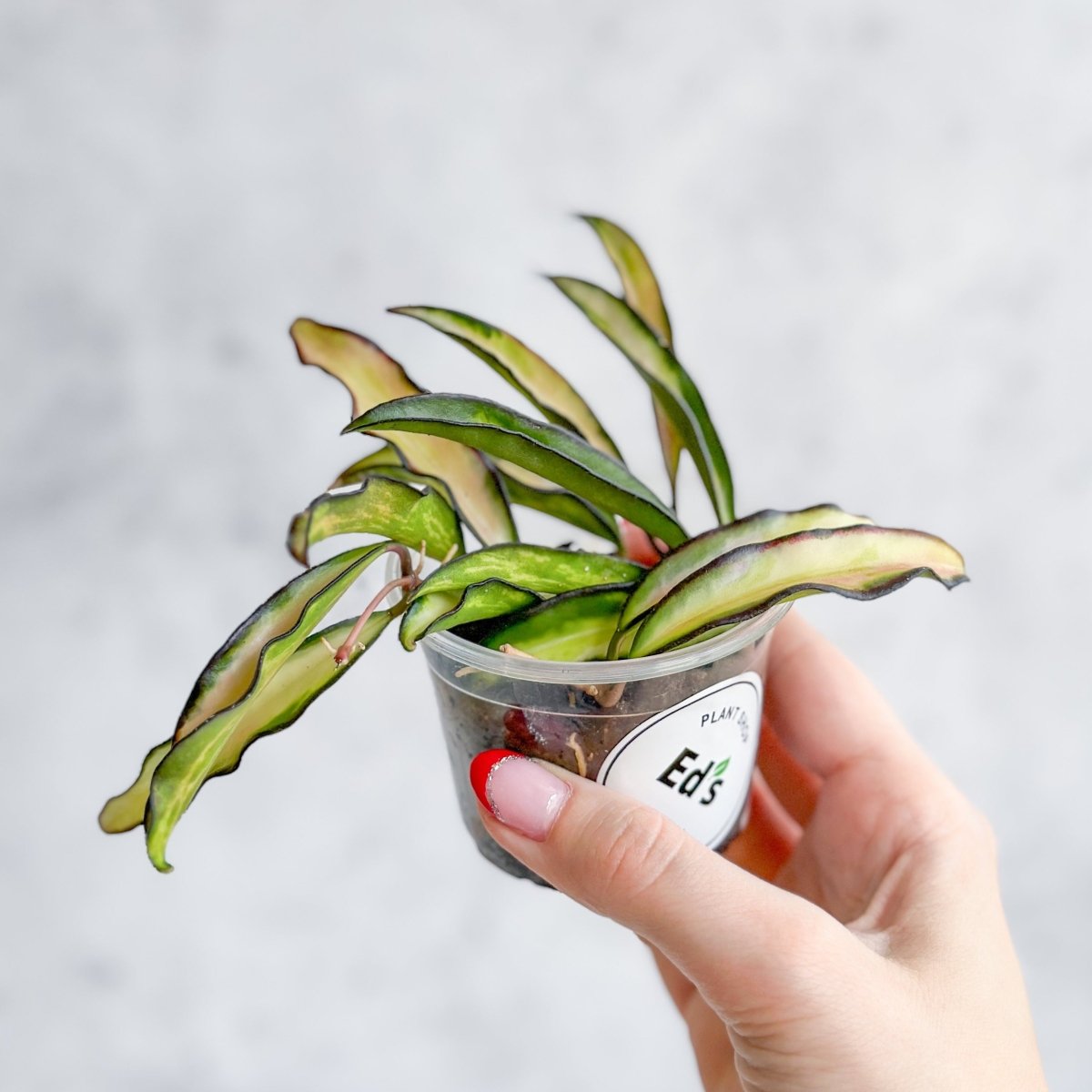
The allure of Hoya wayetii tricolor lies primarily in its striking foliage. Here’s a breakdown of its key characteristics:
Distinctive Leaves: A Tri-Colored Masterpiece
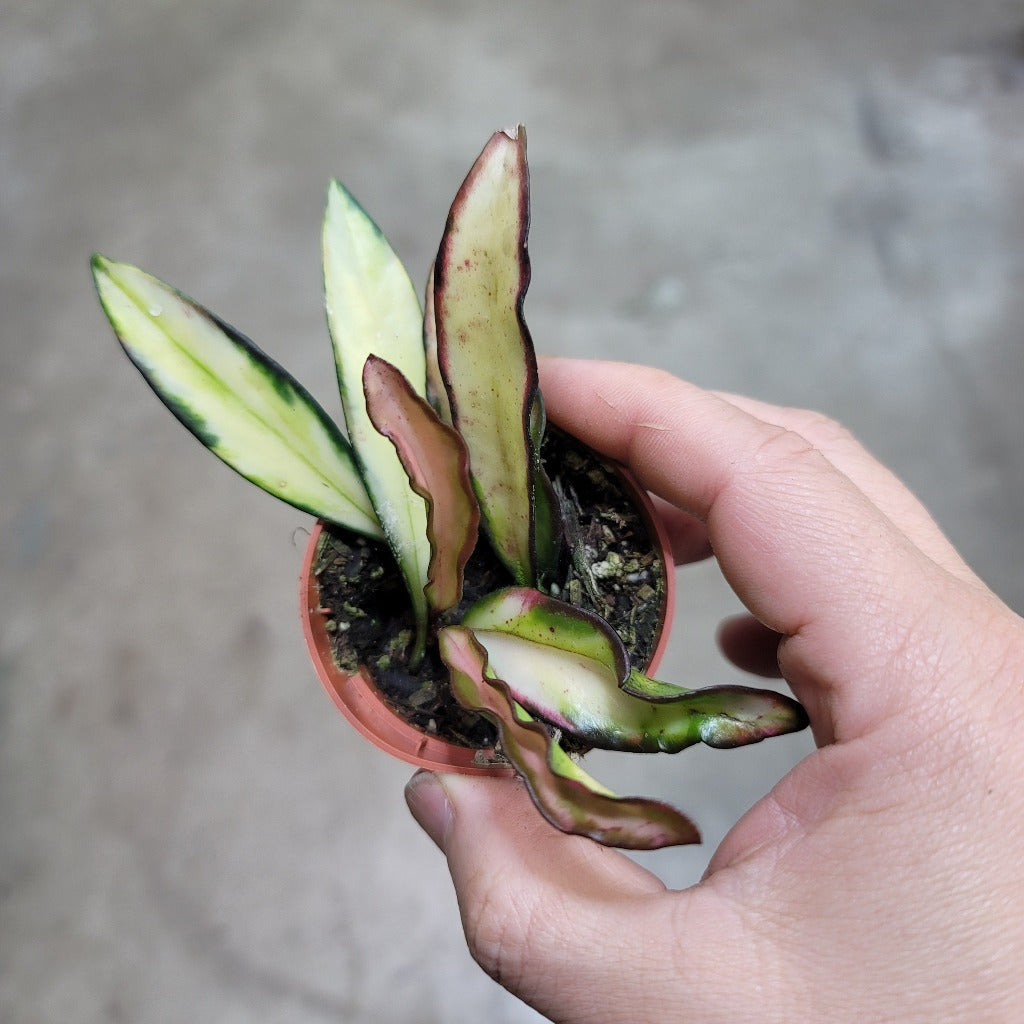
The leaves are the star of the show for this Hoya. They are typically small, slender, and succulent, ranging from 1 to 3 inches in length. The “tricolor” name comes from the beautiful combination of colors displayed on each leaf:
Green Base: The Foundation of Beauty
The primary color of the leaves is a rich, deep green, providing a vibrant backdrop for the other hues.
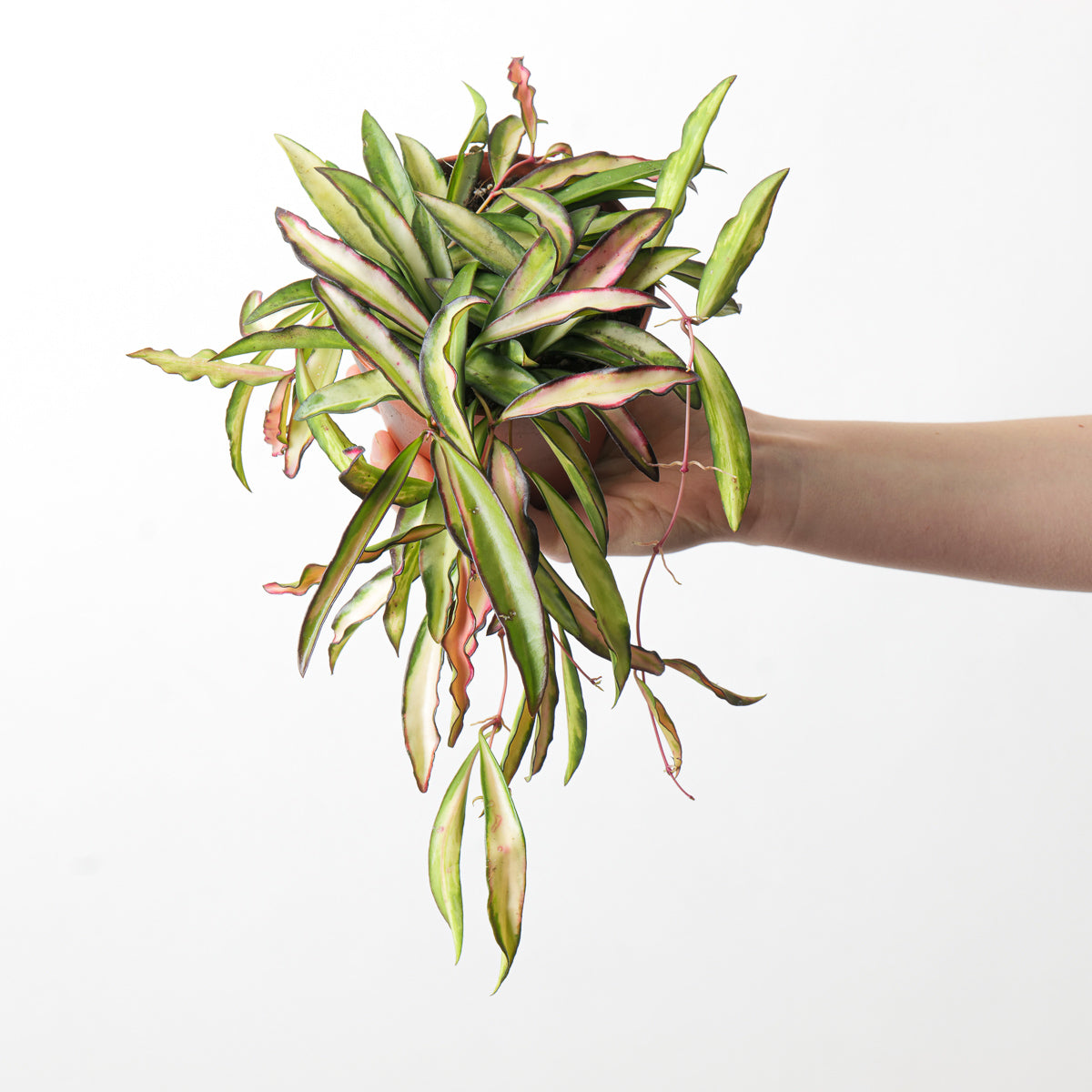
Creamy White or Yellow Margins: A Delicate Frame
A distinct border of creamy white or pale yellow elegantly edges each leaf. This variegation can vary in width and intensity, sometimes appearing as a thin line and other times as a broader band.
Pink or Red Highlights: A Touch of Warmth
Adding another layer of visual interest, new growth and the edges of the leaves often exhibit shades of pink or red. This blush of color is particularly prominent when the plant receives bright, indirect light. The intensity of the pink or red can fluctuate depending on environmental factors like light exposure and temperature.
Growth Habit: A Trailing Delight
Hoya wayetii tricolor is a vining plant with a relatively compact and manageable growth habit compared to some other Hoya species. Its slender stems can reach several feet in length over time, making it ideal for hanging baskets or allowing it to trail gracefully from shelves. It can also be trained to climb on a trellis or support.
Charming Flowers: A Sweet Reward
While the foliage is the main attraction, Hoya wayetii tricolor can also produce clusters of delightful flowers under the right conditions.
Star-Shaped Blooms: A Hoya Signature
Like other Hoyas, the flowers are typically star-shaped and waxy in appearance. They are usually small, around ½ inch in diameter, and grow in clusters called umbels.
Fragrant Sweetness: A Delight for the Senses
The flowers are often fragrant, emitting a sweet, sometimes slightly citrusy scent, especially in the evening. The intensity of the fragrance can vary.
Color Variations: From White to Pink
The flower color can range from creamy white to pale pink, often with a darker pink or red center, adding to their delicate beauty.
Aerial Roots: Nature’s Anchors
Like many epiphytic plants, Hoya wayetii tricolor produces aerial roots along its stems. These roots help the plant cling to surfaces in its natural habitat and can also absorb moisture and nutrients.
Cultivating Success: Essential Care Tips for Hoya Wayetii Tricolor
Providing the right care is crucial for ensuring your Hoya wayetii tricolor thrives and showcases its vibrant colors. Here’s a comprehensive guide to its care requirements:
Light: Bright, Indirect is Key
Hoya wayetii tricolor thrives in bright, indirect light. This means placing it near a window where it receives ample light throughout the day, but shielded from the harsh direct rays of the sun, especially during the hottest parts of the day.
East or West Facing Windows: Ideal Locations
East or west-facing windows are generally ideal, providing bright morning or afternoon light.
South Facing Windows: Requires Protection
If you place your Hoya near a south-facing window, ensure it’s filtered through a sheer curtain to prevent leaf scorch.
Insufficient Light: Dull Colors and Leggy Growth
Insufficient light can lead to duller foliage colors and leggy growth, where the stems become stretched and sparse as the plant reaches for more light.
Watering: Finding the Right Balance
Proper watering is essential to avoid root rot, a common issue with Hoyas. The key is to allow the soil to dry out somewhat between waterings.
“Soak and Dry” Method: A Recommended Approach
A good method is to water thoroughly until excess water drains from the bottom of the pot, and then wait until the top inch or two of soil feels dry to the touch before watering again.
Frequency Varies: Adjust to the Season
Watering frequency will vary depending on the season, temperature, humidity, and the size of the pot. You’ll likely need to water more frequently during the warmer, growing months and less during the cooler, dormant months.
Overwatering: A Common Pitfall
Overwatering can lead to soggy soil, which suffocates the roots and promotes fungal growth, resulting in root rot. Signs of overwatering include yellowing leaves, mushy stems, and a generally unhealthy appearance.
Soil: Well-Draining is Crucial
Hoya wayetii tricolor needs a well-draining potting mix to prevent waterlogging.
Ideal Mix: A Blend of Components
A suitable mix can be created by combining:
Potting Soil: Provides Nutrients
A good quality general-purpose potting soil forms the base.
Perlite or Orchid Bark: Improves Drainage and Aeration
Adding perlite or orchid bark (or a combination of both) significantly improves drainage and aeration, which is vital for Hoya roots. Aim for a mix that is light and airy.
Temperature: Warm and Consistent
Hoya wayetii tricolor prefers warm and consistent temperatures, mimicking its tropical origins.
Ideal Range: 65°F to 80°F (18°C to 27°C)
A comfortable room temperature range of 65°F to 80°F (18°C to 27°C) is generally ideal.
Avoid Cold Drafts: Sensitive to Temperature Fluctuations
Avoid placing your Hoya near drafty windows or doors, as sudden temperature changes can stress the plant.
Winter Dormancy: Tolerates Slightly Cooler Temperatures
During the winter months, the plant can tolerate slightly cooler temperatures, but avoid letting it drop below 50°F (10°C).
Humidity: Appreciates a Boost
While Hoya wayetii tricolor can tolerate average household humidity, it will thrive in slightly higher humidity levels.
Increasing Humidity: Several Methods
Here are a few ways to increase humidity:
Humidifier: An Effective Solution
Using a humidifier is an effective way to maintain consistent humidity levels, especially during dry winter months.
Pebble Tray: A Simple Technique
Place the pot on a tray filled with pebbles and water. Ensure the bottom of the pot is above the water line to prevent root rot. As the water evaporates, it increases the humidity around the plant.
Misting: Use with Caution
Misting can temporarily increase humidity, but avoid over-misting, as this can lead to fungal issues on the leaves. Ensure good air circulation if you choose to mist.
Grouping Plants: Creates a Microclimate
Grouping plants together can create a more humid microclimate as they transpire.
Fertilizing: Providing Essential Nutrients
Hoya wayetii tricolor benefits from regular fertilization during the growing season (spring and summer).
Balanced Liquid Fertilizer: Diluted Strength
Use a balanced liquid fertilizer diluted to half the recommended strength.
Frequency: Every 2-4 Weeks During Growing Season
Fertilize every 2-4 weeks during the spring and summer months.
Avoid Fertilizing During Dormancy: Rest Period
Reduce or stop fertilizing during the fall and winter months when the plant is in a period of slower growth.
Over-Fertilizing: Can Damage Roots
Over-fertilizing can lead to salt buildup in the soil, which can damage the roots. It’s always better to under-fertilize than over-fertilize.
Pruning: Maintaining Shape and Encouraging Bushiness
Pruning can help maintain the shape of your Hoya wayetii tricolor and encourage bushier growth.
When to Prune: During the Growing Season
Prune during the spring or summer months.
How to Prune: Clean Cuts
Use clean, sharp pruning shears or scissors to make cuts just above a leaf node.
Removing Dead or Yellowing Growth: Improves Appearance
Remove any dead, damaged, or yellowing leaves or stems.
Encouraging Branching: Trim Long Vines
Trimming long vines can encourage the plant to branch out, resulting in a fuller appearance.
Avoid Pruning Flower Spurs: Potential Blooms
Avoid pruning the short, stubby growths where flowers emerge (flower spurs), as these will produce future blooms.
Repotting: Providing Space for Growth
Hoya wayetii tricolor is a relatively slow grower and doesn’t need frequent repotting.
When to Repot: When Rootbound
Repot when the plant becomes rootbound, meaning the roots are circling tightly around the inside of the pot. You might notice roots growing out of the drainage holes.
Pot Size: Slightly Larger
Choose a pot that is only slightly larger than the previous one. Overpotting can lead to the soil staying too wet.
Fresh Soil: Replenishing Nutrients
Use a fresh, well-draining potting mix when repotting.
Best Time to Repot: Spring or Early Summer
Spring or early summer is the best time to repot, as the plant is entering its active growing season.
Propagating New Life: Expanding Your Hoya Collection
Propagating Hoya wayetii tricolor is a rewarding way to expand your collection or share this beautiful plant with others. The most common methods are stem cuttings and layering.
Propagation by Stem Cuttings: A Popular Method
Stem cuttings are a relatively straightforward way to propagate Hoya wayetii tricolor.
Selecting a Cutting: Healthy Stem with Nodes
Choose a healthy stem that has at least 2-3 nodes (the points where leaves emerge).
Making the Cut: Below a Node
Cut the stem just below a node.
Removing Lower Leaves: Focusing Energy
Remove the lower leaves from the cutting, leaving a few leaves at the top.
Rooting Medium: Several Options
You can root the cutting in several mediums:
Water: Simple and Effective
Place the cut end of the stem in a jar of water, ensuring that at least one node is submerged. Change the water regularly (every few days) to keep it fresh. Roots should develop within a few weeks.
Sphagnum Moss: Provides Moisture and Air
Wrap the cut end of the stem in moist sphagnum moss and keep it in a humid environment, such as a plastic bag or container.
Well-Draining Soil Mix: Plant Directly
Plant the cut end of the stem directly into a small pot filled with well-draining potting mix. Keep the soil lightly moist.
Rooting Hormone: Optional Boost
Dipping the cut end of the stem in rooting hormone powder can help speed up root development, but it’s not always necessary.
Providing Humidity and Warmth: Encouraging Root Growth
Place the cutting in a warm, humid location with bright, indirect light.
Transplanting: Once Roots Have Developed
Once the cutting has developed a good root system (typically a few inches long), it can be transplanted into a pot with regular Hoya potting mix.
Propagation by Layering: A Less Invasive Approach
Layering involves rooting a stem while it’s still attached to the parent plant.
Selecting a Stem: Long and Flexible
Choose a long, flexible stem that can reach the soil.
Preparing the Stem: Making a Small Cut
Make a small cut or scrape on the underside of the stem at a node.
Burying the Stem: In a Separate Pot
Lay the prepared section of the stem on the surface of a small pot filled with moist potting mix. You can use a paperclip or small weight to hold the stem in place. Ensure the node with the cut is in contact with the soil.
Keeping the Soil Moist: Encouraging Root Growth
Keep the soil in the small pot consistently moist.
Separating the New Plant: Once Roots Have Formed
Once roots have formed at the node (you can gently check by tugging on the stem), you can cut the stem from the parent plant and you have a new, independent Hoya.
Common Issues and Solutions: Keeping Your Hoya Healthy
While Hoya wayetii tricolor is generally a resilient plant, it can sometimes encounter certain issues. Here are some common problems and how to address them:
Yellowing Leaves: Often Due to Overwatering
Overwatering is a common cause of yellowing leaves. Allow the soil to dry out more between waterings. Ensure the pot has good drainage.
Leaf Drop: Can be Caused by Various Factors
Leaf drop can be caused by overwatering, underwatering, sudden temperature changes, or low light. Assess your care routine and make adjustments as needed.
Lack of Flowering: May Need More Light or Maturity
Lack of flowering can be due to insufficient light, immature plants, or inconsistent watering. Ensure your Hoya is receiving bright, indirect light and is mature enough to bloom. Sometimes a slight period of cooler temperatures in the fall can encourage flowering.
Pests: Watch Out for Common Houseplant Pests
Hoya wayetii tricolor can occasionally be susceptible to common houseplant pests like mealybugs, spider mites, and aphids.
Mealybugs: Cottony White Masses
Look for small, cottony white masses on the leaves and stems. Remove them with a cotton swab dipped in rubbing alcohol or use insecticidal soap.
Spider Mites: Fine Webs and Tiny Pests
Spider mites are tiny and difficult to see, but their presence is often indicated by fine webs on the leaves. Increase humidity and wash the plant thoroughly. You can also use insecticidal soap or neem oil.
Aphids: Small, Pear-Shaped Insects
Aphids are small, pear-shaped insects that can be green, black, or brown. They tend to congregate on new growth. Wash them off with water or use insecticidal soap.
Preventing Pests: Good Hygiene and Observation
Regularly inspect your plant for pests and maintain good hygiene by wiping down the leaves occasionally.
Root Rot: A Serious Issue Caused by Overwatering
Root rot is a serious condition that can be fatal to your Hoya. It’s caused by the roots sitting in soggy soil.
Signs of Root Rot: Mushy Roots, Foul Odor
Signs of root rot include mushy, brown or black roots and a foul odor coming from the soil.
Treatment: Difficult but Possible
Treatment involves removing the affected parts of the plant, repotting in fresh, well-draining soil, and adjusting your watering habits. In severe cases, it may be necessary to propagate healthy cuttings from the unaffected parts of the plant.
Embracing the Beauty: Why Choose Hoya Wayetii Tricolor?
Hoya wayetii tricolor offers a multitude of reasons to be a cherished addition to any plant collection:
Unique and Striking Foliage: A Visual Delight
The tri-colored leaves are undeniably the main attraction, providing year-round visual interest even when the plant is not in bloom.
Relatively Easy to Care For: Suitable for Beginners
Compared to some other Hoya species, Hoya wayetii tricolor is relatively easy to care for, making it a good choice for beginners.
Charming and Fragrant Flowers: A Sweet Bonus
The delicate and fragrant flowers are a delightful bonus, adding another layer of appeal.
Compact Growth Habit: Versatile for Different Spaces
Its compact growth habit makes it suitable for various spaces, from hanging baskets to shelves and windowsills.
Air Purifying Qualities: Benefits Beyond Aesthetics
Like many houseplants, Hoyas can help improve air quality by removing toxins from the environment.
Conclusion: A Gem in the Hoya World
Hoya wayetii tricolor is a truly captivating plant that offers a unique blend of beautiful foliage, charming flowers, and relatively easy care. Its tri-colored leaves bring a touch of tropical elegance to any indoor space, and its fragrant blooms are a delightful reward for providing the right conditions. Whether you’re a seasoned Hoya collector or just starting your plant journey, the Hoya wayetii tricolor is a worthy addition that will bring joy and beauty for years to come. By understanding its origins, appreciating its characteristics, and following the care tips outlined in this guide, you can successfully cultivate this gem and enjoy its enchanting presence in your home.
hoya wayetii tricolor