
Hey there! So, you’re looking to dive into the world of making your own seed starting mix, huh? Smart move! Not only can it save you some cash, but you also get to be in control of exactly what your little seedlings are munching on. Let’s get down to the nitty-gritty and whip up a batch of this magical stuff.
Why Bother Making Your Own Seed Starting Mix?
You might be thinking, “Isn’t the stuff at the store good enough?” Well, sometimes it is, but there are some pretty solid reasons to go the DIY route. For starters, you know exactly what’s in it – no mystery ingredients! Plus, you can tweak the recipe to perfectly suit the needs of different types of seeds. And let’s be real, it can be way more budget-friendly in the long run, especially if you’re planning on starting a whole bunch of plants.
The Key Ingredients: Your Seed Starting Dream Team
Alright, let’s talk about the rockstars of your seed starting mix. You’ll generally need three main players:
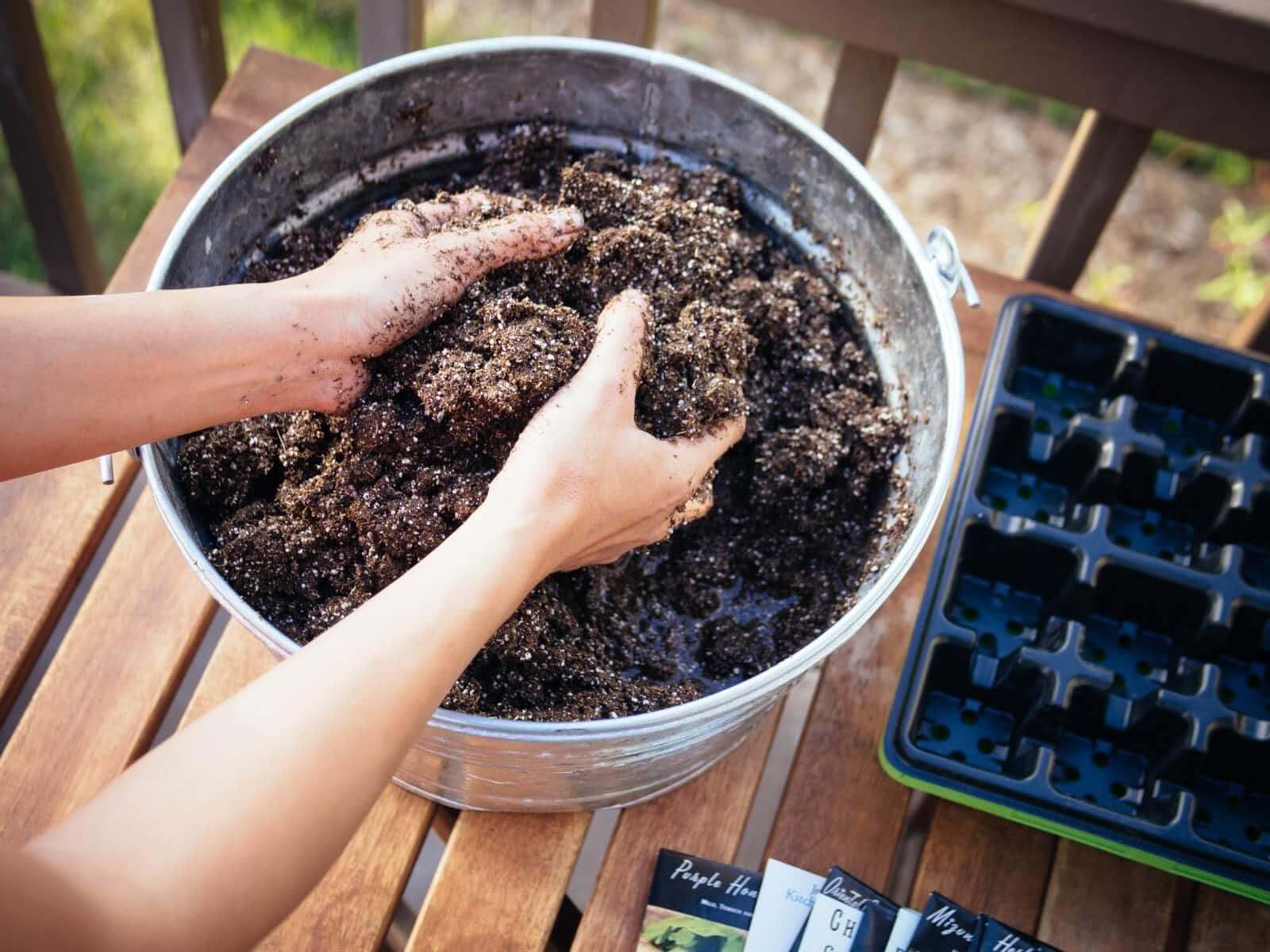
Peat Moss or Coco Coir: The Foundation
This is your bulk ingredient, providing structure and helping to retain moisture while still allowing for good drainage.
Peat Moss: This stuff has been a go-to for ages. It’s lightweight, holds water well, and is naturally acidic, which some seeds dig. However, it’s harvested from bogs, and there are environmental concerns about its sustainability.
You can use either one of these, or even a mix of both!
Perlite or Vermiculite: For Drainage and Air
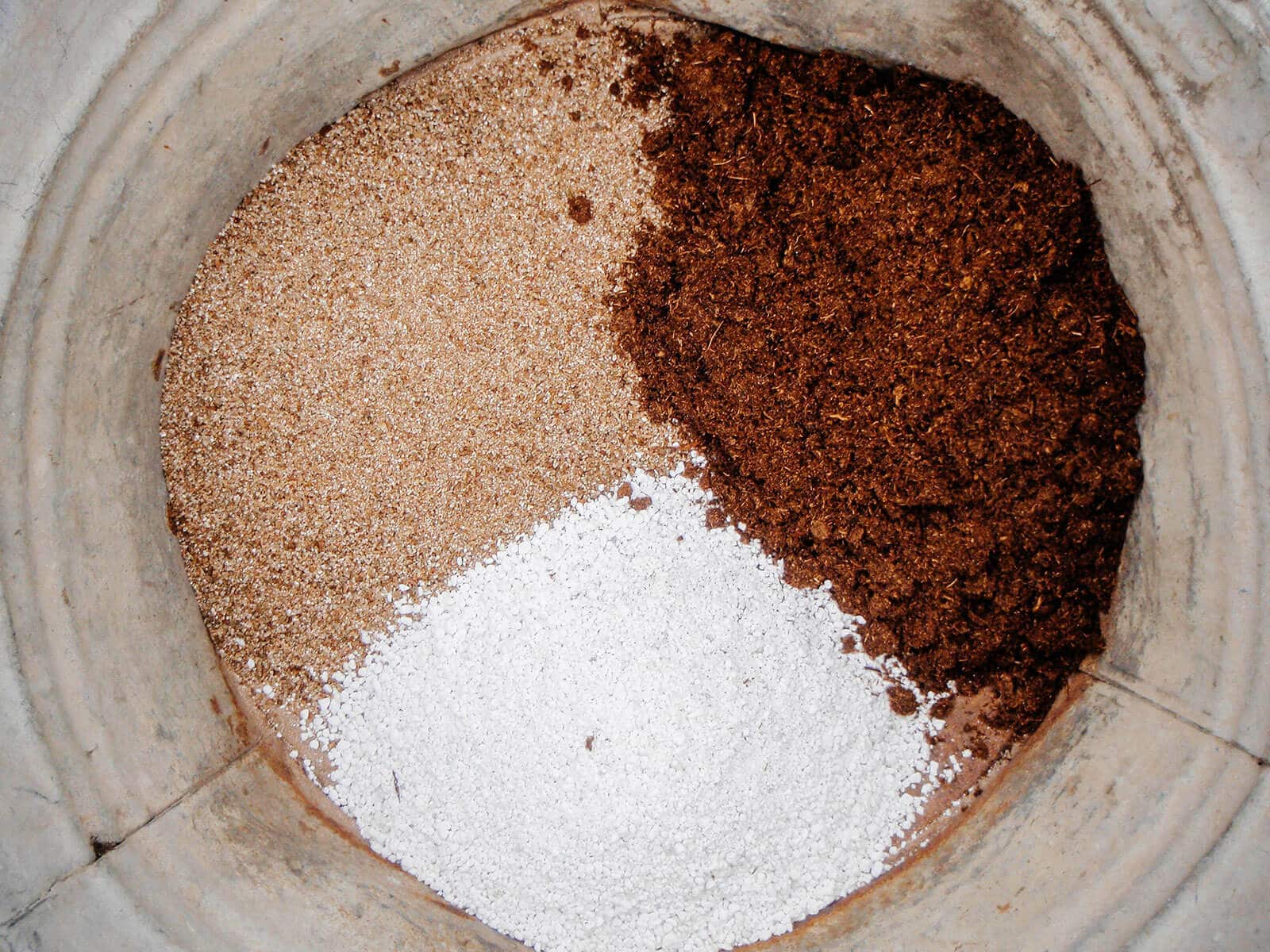
These guys are crucial for keeping your mix light and airy, preventing waterlogging, which can be a death sentence for tiny seedlings.
Perlite: These are those little white, volcanic glass pebbles. They create air pockets in the soil, improving drainage.
Again, you can choose one or combine them. Perlite is generally cheaper, while vermiculite offers a little extra in terms of moisture and nutrient retention.
Compost: The Gentle Food
A good quality compost adds a bit of gentle nutrition to your mix, giving your seedlings a good start without being too overpowering. Make sure it’s well-decomposed and fine-textured. You don’t want big chunks in there. Worm castings are another excellent option – they’re like a superfood for seedlings!
Optional Boosters: Taking it Up a Notch
While the three main ingredients are usually enough, you can consider adding a few extras:
Fine Sand: A little bit of fine sand can improve drainage, especially in mixes that are heavy on peat moss or coco coir. Make sure it’s horticultural sand, not play sand, which can contain salts or other undesirables.
The Recipe: Let’s Get Mixing!
Alright, here’s a basic recipe to get you started. Remember, this is a guideline, and you can adjust it based on your needs and what you have available.
1 part peat moss or coco coir (or a 50/50 mix)
1. Gather your supplies: You’ll need your ingredients and a container for mixing. A large bucket, a wheelbarrow (if you’re making a lot), or even a tarp will work.
2. Moisten the peat moss or coco coir (optional but recommended): If you’re using peat moss, it can be hydrophobic when dry, meaning it repels water. Coco coir can sometimes be dusty. Lightly moistening them beforehand helps everything mix together more evenly. Just add a bit of water and fluff it up with your hands until it’s damp but not soggy.
3. Combine the ingredients: Add all your ingredients to your mixing container.
4. Mix thoroughly: Use your hands (wear gloves!), a trowel, or a small shovel to mix everything together really well. You want a uniform consistency throughout. Break up any clumps of compost.
5. Check the moisture: The finished mix should feel like a wrung-out sponge – moist but not dripping. If it’s too dry, add a little water and mix again. If it’s too wet, add more of the dry ingredients.
Tips for Success: The Little Things Matter
Use clean containers: Make sure your seed starting trays or pots are clean to prevent the spread of diseases.
Conclusion: You’re a Seed Starting Mix Master!
And there you have it! You’ve now got the knowledge to create your very own seed starting mix. It might seem like a bit of effort at first, but once you get the hang of it, you’ll be whipping up batches in no time. Plus, knowing you’ve given your precious seedlings the perfect foundation for growth is a pretty rewarding feeling. Happy planting!
Frequently Asked Questions (FAQs)
Can I use just peat moss or coco coir by itself?
While you can technically start seeds in just peat moss or coco coir, it’s generally not ideal. They lack the aeration and drainage that perlite or vermiculite provide, which can lead to waterlogged roots and seedling failure. The combination of ingredients creates a much more balanced environment for healthy root development.
How long will my homemade seed starting mix last?
If stored properly in a sealed container in a cool, dry place, your homemade seed starting mix can last for quite a while, generally for several months to even a year. However, it’s always a good idea to inspect it before use. If it looks or smells moldy, it’s best to discard it.
Do I need to sterilize my homemade seed starting mix?
While some gardeners choose to sterilize their mix to kill potential pathogens, it’s often not necessary for a basic homemade mix, especially if you’re using high-quality ingredients. Sterilization can also kill beneficial microorganisms. If you’re concerned about damping-off disease, ensuring good air circulation and avoiding overwatering are usually more effective strategies.
Can I reuse seed starting mix from previous years?
It’s generally not recommended to reuse seed starting mix. It may have lost some of its beneficial properties, could harbor diseases or pests, and might be depleted of nutrients. Starting with a fresh mix gives your new seedlings the best possible start.
What if I don’t have compost? Can I still make a good seed starting mix?
Yes, you can still make a good seed starting mix without compost. In that case, you would typically increase the proportions of your base (peat moss or coco coir) and aeration (perlite or vermiculite) ingredients. However, the compost does provide some gentle nutrients, so your seedlings might benefit from a very dilute liquid fertilizer once they have their first true leaves if you skip the compost.
How to make your own seed starting mix