:max_bytes(150000):strip_icc()/overhead-shot-of-woman-digging-in-a-vegetable-garden-157505043-e39590e124814c42a9cfb52a48c6e826.jpg?ssl=1 "How To Start An Edible Landscape")
Hey there! So, you’re looking to dive into the world of edible landscaping, huh? That’s a fantastic idea! Imagine stepping outside your door and picking fresh herbs for dinner or plucking juicy berries for a snack. It’s not as complicated as it might sound, and you can totally make it happen. Let’s dig in and see how you can get your own edible oasis going.
What Exactly is Edible Landscaping Anyway?
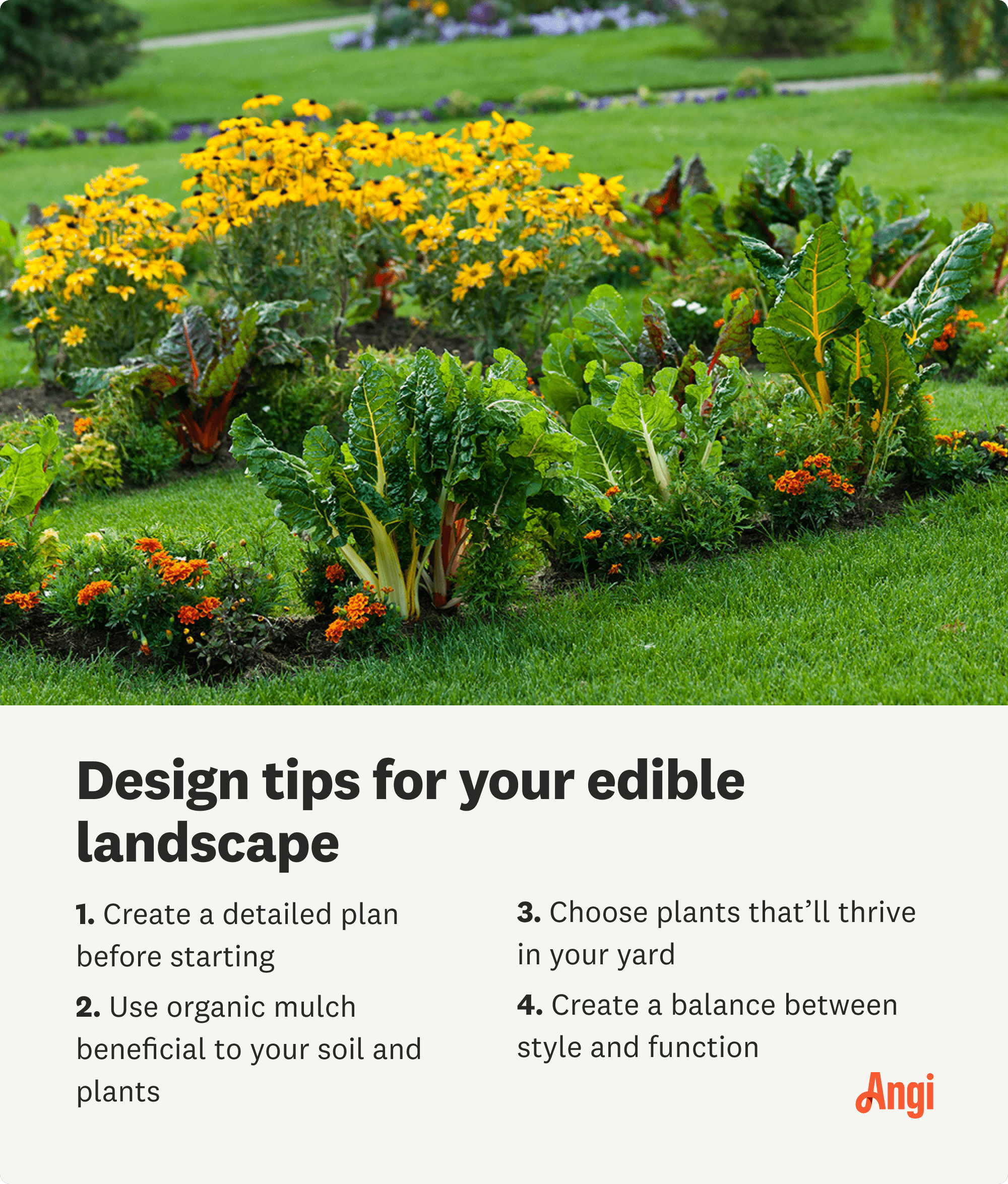
Think of your regular garden – you’ve got your pretty flowers, maybe some shrubs, and a lawn. Now, picture swapping some (or all!) of those purely decorative plants with ones you can actually eat. That’s the gist of edible landscaping. It’s about blending the beauty of ornamental gardening with the practicality of growing your own food. You get a gorgeous yard and a delicious harvest!
Why Bother with an Edible Landscape?
There are tons of cool reasons to go edible. For starters, you get super fresh, often organic, produce right at your fingertips. No more mystery ingredients or long trips to the grocery store for that one sprig of rosemary. Plus, it can save you some cash in the long run. Beyond the practical stuff, it’s also incredibly rewarding to nurture plants and then enjoy the fruits (literally!) of your labor. It connects you more to nature and can even be a fun project for the whole family. And hey, a lush edible landscape is a real conversation starter!
:max_bytes(150000):strip_icc()/overhead-shot-of-woman-digging-in-a-vegetable-garden-157505043-e39590e124814c42a9cfb52a48c6e826.jpg "image.title")
First Steps: Dreaming and Planning Your Edible Paradise
Before you start digging, a little planning goes a long way.
# Know Your Space: The Lay of Your Land
Take a good look at your yard. How much sun does different areas get throughout the day? Is your yard mostly flat, or are there slopes? What’s the soil like? Knowing these things will help you choose the right edible plants that will thrive in your specific environment. Some veggies and fruits love full sun, while others prefer a bit of shade. Some do best in well-drained soil, while others are more tolerant.
# What’s on the Menu? Your Edible Wishlist
Think about what you and your family actually like to eat. There’s no point in planting a ton of kale if no one in your house is a fan. Consider herbs you use often, vegetables you enjoy, and fruits that would be a treat to pick fresh. Also, think about how much time you want to spend on maintenance. Some edible plants are pretty low-key, while others need a bit more attention.
# Sketch It Out: Creating Your Design
Grab some paper and sketch out your yard. Where do you envision your veggies going? Where would a fruit tree fit nicely? Think about how different plants will look together. You can even incorporate edible flowers for an extra pop of color and flavor! Consider pathways and how you’ll move around your edible garden to harvest and maintain it.
Choosing the Right Edible Plants: A Delicious Palette
This is where the fun really begins! There’s a whole world of edible plants to explore.
:max_bytes(150000):strip_icc()/lettuceandmarigoldsingardenbed-6447df44c78b450b84755971054770c7.jpg "image.title")
# Herbs: Flavor Powerhouses
Herbs are a fantastic starting point. They’re often relatively easy to grow and can be tucked into small spaces. Think about classics like basil, mint, rosemary, thyme, and parsley. But don’t be afraid to experiment with less common ones like lemon verbena or stevia.
# Vegetables: From Garden to Table
The possibilities are endless when it comes to edible veggies. Consider your climate and growing season. Leafy greens like lettuce and spinach are often easy to grow. Tomatoes, peppers, and cucumbers are summer staples for many. Root vegetables like carrots and beets can also be incorporated. Think about vertical gardening with climbing beans or peas if space is tight.
# Fruits: Sweet Rewards
Imagine picking your own berries, like strawberries, blueberries, or raspberries! Dwarf fruit trees can even work in smaller yards, offering delightful blossoms in the spring and delicious fruit later on. Consider fruit bushes like elderberries or gooseberries too.
# Edible Flowers: Beauty You Can Taste
Don’t forget about flowers that are also edible! Nasturtiums have a peppery bite, pansies are mild and slightly sweet, and calendula petals add a lovely color to salads. They can add a unique touch to your edible landscape.
Getting Your Hands Dirty: Planting Your Edible Garden
Once you’ve planned and chosen your plants, it’s time to get planting!
# Soil Prep: Laying the Foundation
Healthy soil is key to happy, productive plants. You might need to amend your existing soil with compost or other organic matter to improve its drainage and fertility. A simple soil test can give you valuable information about what your soil needs.
# Planting Time: Giving Them a Home
Follow the planting instructions for each of your chosen plants. Make sure they have enough space to grow. Water them well after planting to help them settle in.
# Mulching: A Gardener’s Best Friend
Adding a layer of mulch around your plants helps to retain moisture, suppress weeds, and regulate soil temperature. Organic mulches like straw or wood chips are great options.
Keeping Things Thriving: Caring for Your Edible Landscape
An edible landscape isn’t a one-and-done project. Regular care will ensure a bountiful harvest.
# Watering Wisely: Staying Hydrated
Different plants have different watering needs. Pay attention to the weather and your soil moisture. Deep watering less frequently is generally better than shallow watering every day.
# Feeding Your Plants: Nutrients for Growth
Just like us, plants need nutrients to grow strong. Depending on your soil and the plants you’re growing, you might need to fertilize them periodically. Organic fertilizers are a great choice for an edible garden.
# Pest and Disease Management: Keeping Problems at Bay
Keep an eye out for any signs of pests or diseases. Early detection is key. There are many organic pest control methods you can use, like introducing beneficial insects or using insecticidal soap.
# Harvesting: Enjoying the Fruits (and Veggies!) of Your Labor
The best part! Learn when and how to properly harvest your different edible plants to encourage continued production.
Conclusion: An Edible Landscape Awaits
Creating an edible landscape is a journey, not a race. Start small, learn as you go, and don’t be afraid to experiment. With a little planning and effort, you can transform your yard into a beautiful and productive space that nourishes both your body and your soul. So go ahead, dig in, and enjoy the delicious rewards of your own edible paradise!
Frequently Asked Questions (FAQs)
1. Do I Need a Huge Yard to Start an Edible Landscape?
Not at all! Even small spaces like balconies or patios can accommodate edible plants in containers. Vertical gardening techniques can also maximize your growing space.
2. What are Some Easy Edible Plants for Beginners?
Great starter plants include herbs like basil and mint, leafy greens like lettuce and spinach, and bush beans. Strawberries are also relatively easy and rewarding.
3. Will an Edible Landscape Look Messy?
Not necessarily! With thoughtful planning and design, your edible landscape can be just as beautiful as a traditional ornamental garden. Incorporating different textures, colors, and heights of edible plants can create a visually appealing space.
4. How Much Maintenance Does an Edible Landscape Require?
The amount of maintenance depends on the types of plants you choose. Some edibles are low-maintenance, while others require more attention. Regular watering, weeding, and occasional fertilizing are generally needed.
5. Are There Any Concerns About Pests and Diseases in an Edible Garden?
Like any garden, edible landscapes can attract pests and diseases. However, using organic gardening practices can help minimize these issues and ensure your produce is safe to eat. Regular monitoring and early intervention are key.
How to start an edible landscape