
Hey there! So, you’re looking to dive deep into the world of natural pest control for your garden, huh? Awesome! It’s a fantastic way to keep your plants happy and healthy without resorting to harsh chemicals. Let’s get right into it.
Getting to Know Your Enemy: Common Garden Pests
Before you can wage war on those pesky critters munching on your precious plants, it’s helpful to know who you’re up against. Different pests cause different kinds of damage, and what works for one might not work for another. Here are some of the usual suspects you might encounter:
Aphids: The Tiny Sap-Suckers
These little guys are like miniature vampires for your plants. They cluster on stems and the undersides of leaves, sucking out the sap and weakening the plant. You might notice curled or distorted leaves, and a sticky substance called honeydew (which can also attract ants).
Caterpillars: The Leafy Munchers
These are the larvae of moths and butterflies, and some of them can be real eating machines. They chew holes in leaves, sometimes leaving nothing but the veins behind. You might spot them directly on the leaves or notice their tell-tale damage.
Slugs and Snails: The Nighttime Nibblers
These slimy creatures love to feast on tender leaves and seedlings, leaving irregular holes in their wake. You’ll often see silvery trails where they’ve been. They’re most active at night and in damp conditions.
Spider Mites: The Web Weavers

These tiny arachnids are hard to spot with the naked eye, but their damage is noticeable. They suck plant juices, causing leaves to look speckled or stippled. You might also see fine webs on the undersides of leaves.
Whiteflies: The Flying Menace
These small, white, fly-like insects hang out on the undersides of leaves. When disturbed, they’ll flutter around in a cloud. Like aphids, they suck sap and can weaken plants.
Going Natural: Your Arsenal of Pest Control
Alright, now for the good stuff – how to deal with these garden invaders without reaching for synthetic pesticides. There are plenty of effective and earth-friendly methods you can use:
Encourage Beneficial Insects: Your Tiny Allies
Nature has its own pest control force! Many insects prey on garden pests. Attracting them to your garden is a smart long-term strategy.
Ladybugs: Aphid-Eating Machines
These cute little beetles are voracious predators of aphids. You can attract them by planting things like dill, fennel, and yarrow. You can even buy ladybug larvae online or at garden centers and release them in your garden.
Lacewings: General Pest Patrol
Both the larval and adult stages of lacewings are excellent predators of aphids, spider mites, whiteflies, and other soft-bodied insects. They are attracted to plants like dill, coriander, and cosmos.
Predatory Mites: Tiny Spider Mite Assassins
These microscopic mites feed on spider mites. You can purchase and release specific types of predatory mites that target the pests you’re dealing with.
Parasitic Wasps: The Pest Population Controllers
These tiny wasps lay their eggs inside other insects, eventually killing them. They are particularly effective against aphids, caterpillars, and whiteflies. Planting dill, parsley, and fennel can attract them.
Practice Good Garden Hygiene: Keeping Things Clean
A little bit of tidiness can go a long way in preventing pest problems.
Remove Plant Debris: No Pest Hideouts
Dead leaves and other plant debris can provide shelter and overwintering spots for pests and diseases. Regularly cleaning up your garden helps reduce their numbers.
Weed Regularly: Less Competition, Fewer Pests
Weeds can attract certain pests and also compete with your plants for resources, making them more susceptible to attack. Keep your garden beds weed-free.
Prune Properly: Good Airflow, Fewer Problems
Dense foliage can create humid conditions that some pests love. Pruning your plants to improve air circulation can help prevent infestations. Also, remove any heavily infested leaves or branches promptly.
Physical Barriers and Traps: Keeping Them Out
Sometimes, a physical barrier is the simplest and most effective solution.
Row Covers: Protecting Your Precious Plants
These lightweight fabric covers can be placed over hoops to create a physical barrier that keeps flying insects away from your plants.
Sticky Traps: Catching Flying Pests
Yellow sticky traps are particularly effective for catching whiteflies, aphids, and fungus gnats. Hang them near your plants.
Beer Traps for Slugs and Snails: A Boozy Demise
Slugs and snails are attracted to the smell of beer. Bury shallow dishes filled with beer in your garden, with the rim at ground level. The slugs and snails will crawl in and drown.
Copper Tape: An Electric Fence for Slugs and Snails
A strip of copper tape around pots or raised beds can deter slugs and snails, as it creates a mild electrical charge when they try to cross it.
Water Wisely: Avoiding Stress
Healthy, vigorous plants are generally more resistant to pests and diseases. Proper watering is crucial for plant health. Avoid overhead watering, which can create humid conditions that favor some pests and diseases. Water at the base of the plants.
Natural Sprays and Solutions: Direct Pest Control
When you have an active infestation, natural sprays can help to knock down pest populations.
Insecticidal Soap: A Gentle But Effective Solution
This soap-based spray disrupts the outer layer of many soft-bodied insects, like aphids, spider mites, and whiteflies, causing them to dehydrate. Make sure to cover all parts of the plant, including the undersides of leaves, and reapply as needed.
Neem Oil: A Multi-Purpose Pest Fighter
Neem oil is a natural insecticide, fungicide, and miticide derived from the neem tree. It works by disrupting the hormones of insects, preventing them from feeding, molting, and reproducing. It’s effective against a wide range of pests. Mix it with water and a little bit of mild dish soap (as an emulsifier) and spray thoroughly.
Horticultural Oil: Smothering Pests
These lightweight mineral or vegetable oils suffocate insects and their eggs. They are effective against scale, spider mites, aphids, and whiteflies. Apply thoroughly, ensuring good coverage. Be careful not to apply on very hot or humid days, as it can damage some plants.
Garlic and Chili Sprays: Natural Repellents
Garlic and chili have strong smells that can deter some pests. You can make your own spray by steeping crushed garlic cloves or chili flakes in water, straining it, and adding a drop of dish soap. Use with caution and test on a small area of the plant first, as it can sometimes cause leaf burn.
Diatomaceous Earth (DE): The Sharp Solution
This fine powder is made from fossilized diatoms. It works by abrading the outer layer of insects, causing them to dehydrate and die. Sprinkle it around your plants or directly on the foliage (avoiding blooms if you want to protect pollinators). Reapply after rain.
Crop Rotation and Companion Planting: Long-Term Strategies
These techniques can help create a more balanced and resilient garden ecosystem.
Crop Rotation: Disrupting Pest Cycles
Rotating your crops each year can help break the life cycles of soil-borne pests and diseases that might target specific plant families.
Companion Planting: The Power of Partnership
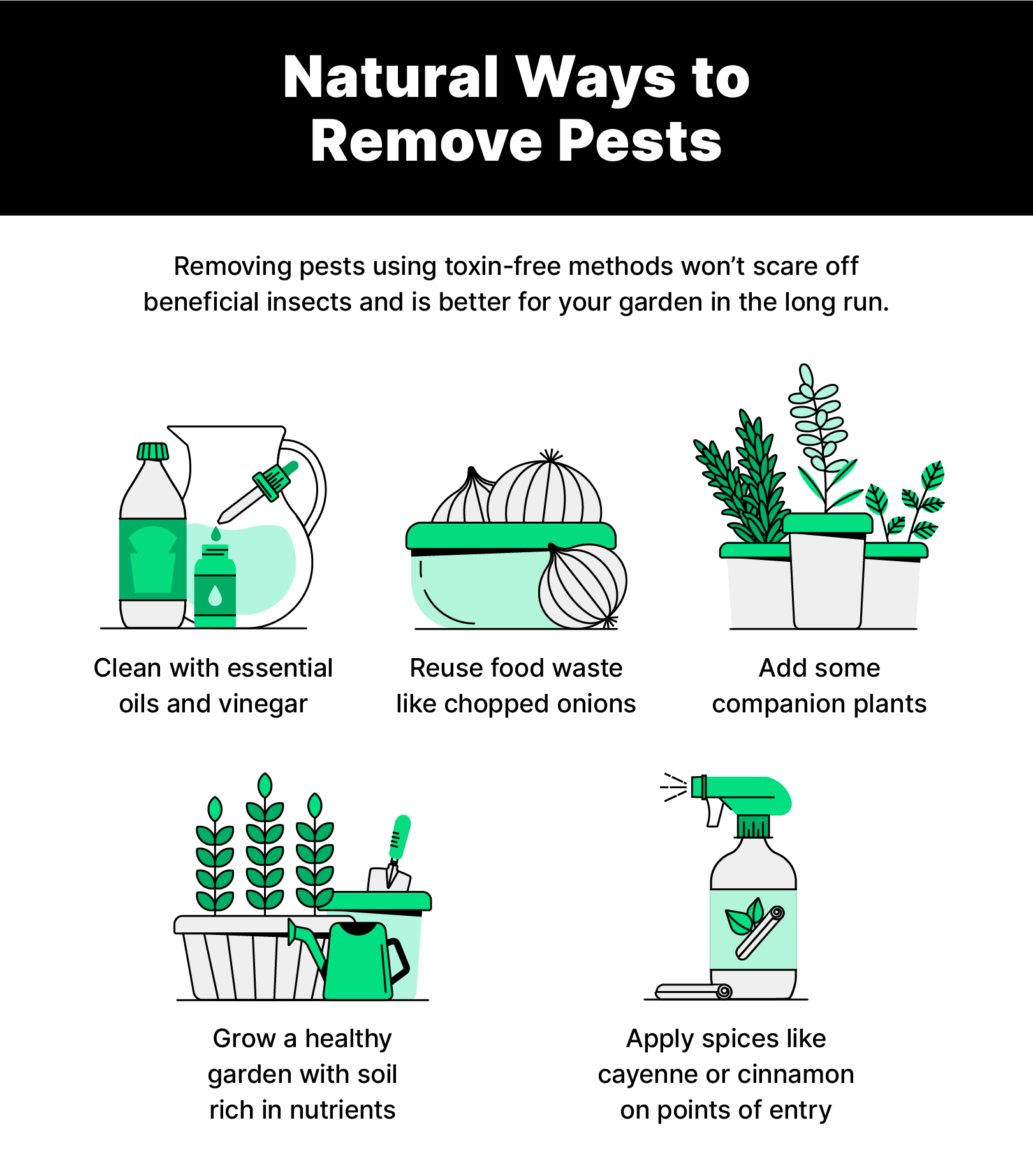
Certain plants can deter pests or attract beneficial insects when planted near others. For example, marigolds are known to repel nematodes and some other pests, while basil can deter aphids and whiteflies.
Consistent Monitoring: Catching Problems Early
Regularly inspecting your plants for signs of pests or damage is key to catching problems early before they become severe. The sooner you identify a pest issue, the easier it will be to manage naturally.
Conclusion: A Balanced and Thriving Garden
Dealing with garden pests naturally is a journey that requires observation, patience, and a willingness to embrace the interconnectedness of your garden ecosystem. By understanding common pests, encouraging beneficial insects, practicing good garden hygiene, utilizing physical barriers and natural sprays, and implementing long-term strategies like crop rotation and companion planting, you can create a healthy and thriving garden without relying on harmful chemicals. Remember that a truly resilient garden is one where nature is your ally.
Frequently Asked Questions (FAQs)
# What’s the best all-around natural pest control method for a beginner?
For beginners, encouraging beneficial insects like ladybugs and lacewings is a great starting point. Planting herbs and flowers that attract them is easy and effective. Also, regularly inspecting your plants and hand-picking any visible pests is a simple and direct approach.
# How often should I apply natural pest control sprays?
The frequency depends on the type of spray and the severity of the infestation. For insecticidal soap and neem oil, you might need to apply every 7-14 days, or after rain. Always follow the specific instructions for the product you are using. Monitor your plants regularly to see if reapplication is necessary.
# Are natural pest control methods safe for pollinators like bees?
Most natural pest control methods are safer for pollinators than synthetic pesticides, but you still need to be mindful. Avoid spraying flowering plants when bees are actively foraging. Neem oil can be harmful to bees if applied directly, so apply it in the early morning or late evening when they are less active. Diatomaceous earth can also harm beneficial insects if they come into contact with it, so use it strategically.
# How long does it take to see results from natural pest control methods?
Natural pest control often takes a bit longer to show results compared to synthetic pesticides. You’re working with natural processes, so be patient. You might see a gradual reduction in pest populations over time. Consistent application and a combination of methods are usually most effective.
# Can I completely eliminate all pests from my garden naturally?
It’s often unrealistic to aim for complete elimination of all pests. A healthy garden ecosystem has a natural balance. The goal of natural pest control is usually to manage pest populations to a level where they don’t cause significant damage to your plants, rather than eradicating them entirely.
How to deal with garden pests naturally