
Alright, let’s get those beans growing in containers! Here’s a long-form article you can adapt for your WordPress site:
How to Grow Beans in Containers: A Complete Guide
So, you’re thinking about growing some beans, but you’re short on garden space? No sweat! Growing beans in containers is totally doable and can give you a fantastic harvest right on your balcony, patio, or even a sunny windowsill. We’re going to dive deep into everything you need to know to get those bean plants thriving in their pots.
Choosing the Right Beans for Containers
First things first, you need to pick the right kind of bean. Not all beans are created equal when it comes to container life. There are two main types: bush beans and pole beans.
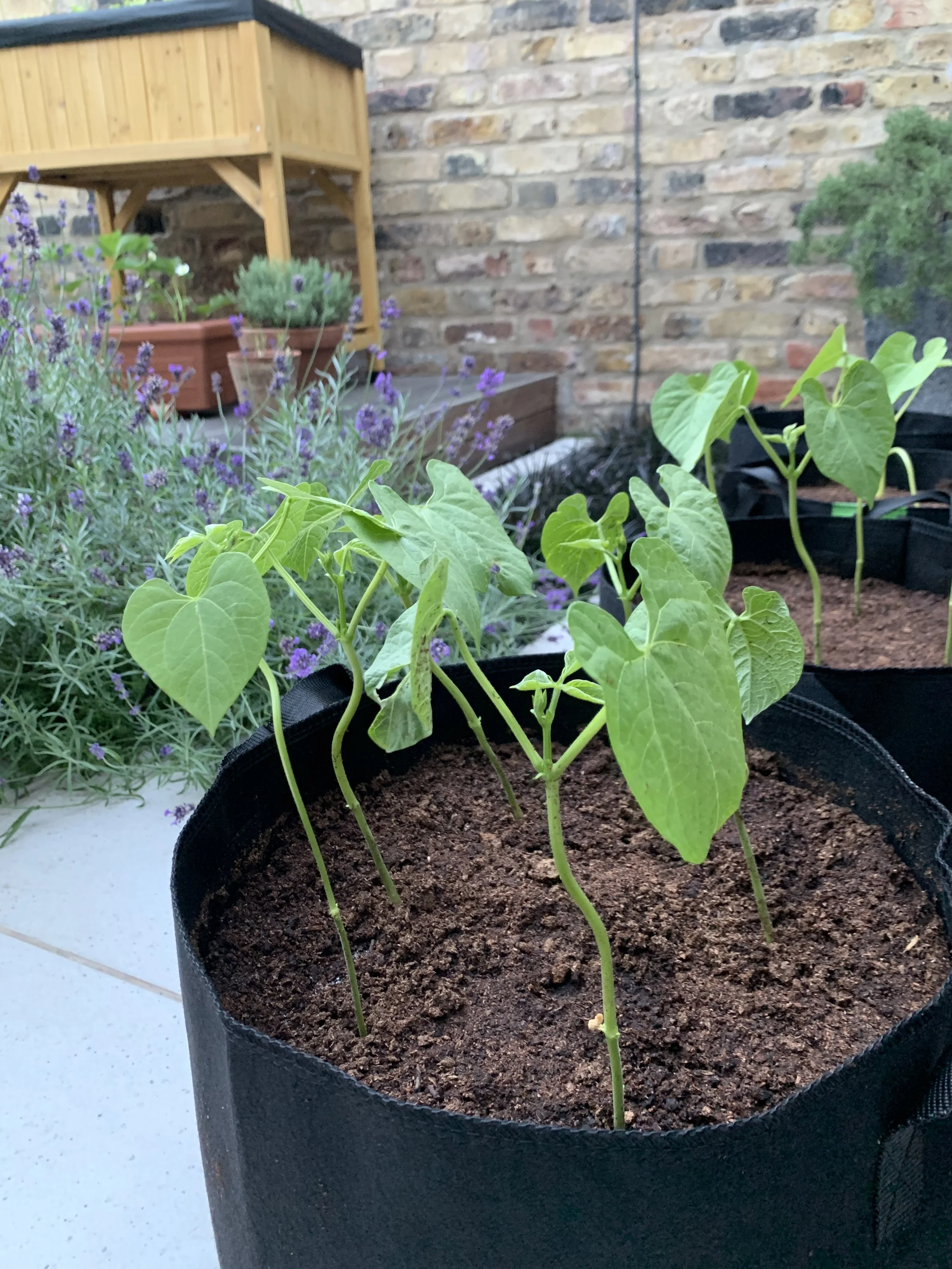
# Bush Beans: Compact and Convenient
Bush beans are your best friend for containers. They stay relatively compact, usually growing to be about two feet tall, and they don’t need any support like trellises or stakes. They produce a big harvest all at once, which is great if you want a bunch of beans around the same time for canning or freezing. Some popular bush bean varieties include ‘Bush Blue Lake’, ‘Provider’, and ‘Contender’.
# Pole Beans: Climbing Wonders
Pole beans, on the other hand, are vining plants that can climb and climb. They need support to grow, like a trellis or stakes. While they can be grown in containers, you’ll need to make sure your pot is big enough and you have a sturdy support system in place. The upside to pole beans is that they tend to produce beans over a longer period compared to bush beans. Good pole bean choices include ‘Kentucky Wonder’, ‘Blue Lake Pole’, and ‘Scarlet Runner’.
For this guide, we’ll mostly focus on bush beans since they’re generally easier to manage in containers, especially if you’re just starting out.
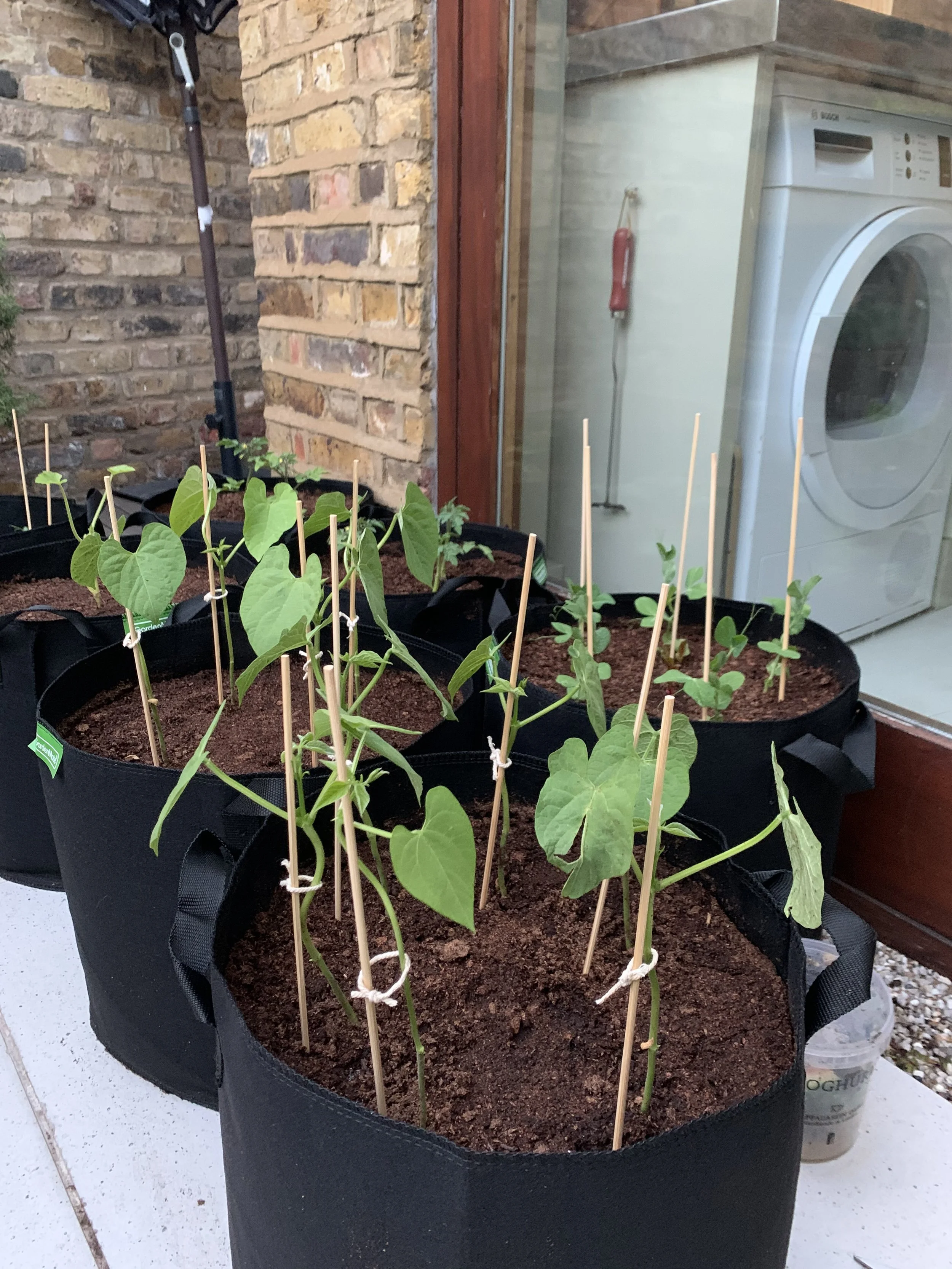
Gathering Your Supplies
Alright, now that you’ve got an idea of the bean type you want, let’s gather the gear you’ll need.
# The Right-Sized Container
The size of your container is super important. Beans need enough space for their roots to grow. For bush beans, aim for a container that’s at least 12 inches in diameter and 12 inches deep per plant. If you’re planting multiple bush bean plants in one container, make sure it’s significantly larger. For pole beans, you’ll want an even bigger pot, at least 5 gallons per plant, to accommodate their more extensive root system and the support structure.
Make sure your container has drainage holes at the bottom. Beans don’t like soggy feet, and good drainage will prevent root rot.
# Quality Potting Mix
Don’t just grab any old dirt from your yard. Container plants need a good quality potting mix that’s lightweight and drains well. Garden soil can become too compacted in a pot and doesn’t provide the aeration that bean roots need. Look for a potting mix that contains things like peat moss, perlite, or vermiculite.
# Bean Seeds
Of course, you’ll need bean seeds! You can find these at your local garden center or online. Choose seeds that are specifically labeled for the variety you want to grow.
# Water Can or Hose
You’ll need a way to water your beans regularly. A watering can with a gentle rose head or a hose with a soft spray nozzle works well.
# Optional: Trellis or Stakes (for Pole Beans)
If you’re going with pole beans, you’ll definitely need a trellis, stakes, or some other kind of support for them to climb. You can buy these or even get creative and build your own.
# Optional: Liquid Fertilizer
While good potting mix contains nutrients, your bean plants might need a little extra boost as they grow. A balanced liquid fertilizer can be helpful, especially once they start flowering and producing pods.
Planting Your Bean Seeds
Now for the exciting part – getting those seeds in the soil!
# Timing is Key
Wait until the danger of frost has passed in your area before planting your bean seeds. Beans are warm-season crops and don’t like the cold. Soil temperatures should be consistently above 60°F (15°C) for good germination. You can check your local planting calendar for the best time to sow.
# Sowing the Seeds
Once the weather is right, it’s time to plant. Fill your container with potting mix, leaving about an inch of space at the top. Make small holes about 1 inch deep for bush beans and about 1-2 inches deep for pole beans. Space the seeds according to the instructions on the seed packet. For bush beans in a larger container, you can typically space them about 3-4 inches apart. For pole beans, give them a bit more room, maybe 6-8 inches apart around your trellis or stakes.
# Covering and Watering
Gently cover the seeds with potting mix and water thoroughly but carefully so you don’t wash the seeds away. Keep the soil consistently moist but not waterlogged.
Caring for Your Container Bean Plants
Now that your beans are planted, consistent care is key to a good harvest.
# Watering Regularly
Beans need consistent moisture, especially when they are flowering and forming pods. Check the soil moisture regularly by sticking your finger about an inch deep. If it feels dry, it’s time to water. Water deeply until you see water draining from the bottom of the pot. Avoid overhead watering, which can lead to fungal diseases.
# Providing Sunlight
Beans need at least 6-8 hours of direct sunlight per day to thrive. Choose a sunny spot for your containers where they will get plenty of light. If you notice your plants stretching and looking leggy, they probably aren’t getting enough sun.
# Fertilizing (If Needed)
If your plants look like they need a boost, you can use a balanced liquid fertilizer diluted to half strength every few weeks after the seedlings have emerged and have a few sets of true leaves. Avoid high-nitrogen fertilizers, as these can encourage leafy growth at the expense of flowers and pods. Once flowering begins, you can switch to a fertilizer slightly higher in phosphorus and potassium to support pod development.
# Supporting Pole Beans
If you’re growing pole beans, they will start sending out tendrils and looking for something to climb. Make sure your trellis or stakes are securely in place. Gently guide the vines up the support as they grow.
# Watching for Pests and Diseases
Keep an eye out for common bean pests like aphids, spider mites, and bean beetles. You can often manage small infestations by handpicking the pests or spraying the plants with insecticidal soap. Avoid using harsh chemicals, especially if you plan to eat the beans.
Fungal diseases can also be a problem, especially in humid conditions. Good air circulation and avoiding overhead watering can help prevent these issues. If you do notice signs of disease, like spots on the leaves, you may need to treat the plants with a fungicide.
Harvesting Your Beans
The moment you’ve been waiting for – harvesting your homegrown beans!
# When to Pick
The timing of your harvest will depend on the type of bean you’re growing. For snap beans (the kind you eat the whole pod), you’ll want to pick them when the pods are firm, crisp, and have reached a good size but before the beans inside have fully developed and become lumpy. They should snap easily when you bend them.
For shelling beans (where you eat the beans inside the pod), you’ll wait until the pods are mature and the beans inside are plump. The pods will often start to turn yellow or dry out.
For dried beans (where you harvest the mature, dry beans), you’ll leave the pods on the plant until they are completely dry and brittle.
# How to Harvest
Gently snap or cut the bean pods from the plant. Be careful not to damage the plant as you harvest, as this can reduce further production. Harvest regularly to encourage the plant to keep producing more beans. Bush beans will typically have a concentrated harvest period, while pole beans will produce over a longer time.
Conclusion
Growing beans in containers is a rewarding experience that allows you to enjoy fresh, homegrown goodness even if you don’t have a traditional garden. By choosing the right bean type, providing the proper container and soil, and giving your plants consistent care, you can look forward to a bountiful harvest right at your fingertips. So go ahead, get those seeds started and enjoy the satisfaction of picking your own delicious beans!
Frequently Asked Questions (FAQs)
Can I grow different types of beans in the same container?
It’s generally best to stick to the same type of bean (either all bush beans or all pole beans) in one container. They have different growth habits and support needs, which can make it tricky to manage them together.
How often do I need to water my container beans?
Watering frequency will depend on the weather, the size of your container, and how quickly the soil dries out. In hot, sunny weather, you may need to water daily. Check the soil moisture regularly and water when the top inch feels dry.
Do container-grown beans need fertilizer?
While good quality potting mix contains nutrients, your bean plants will likely benefit from supplemental feeding, especially as they grow larger and start producing flowers and pods. A balanced liquid fertilizer applied every few weeks can help.
Why are my bean plants flowering but not producing pods?
There could be a few reasons for this. Insufficient pollination (though beans are mostly self-pollinating), extreme temperatures, lack of water, or nutrient imbalances can all affect pod production. Make sure your plants are getting enough sun and consistent moisture.
Can I save seeds from my container-grown beans for next year?
If you are growing heirloom or open-pollinated varieties (not hybrids), you can save seeds. Allow the pods to fully mature and dry on the plant. Then, shell the beans and let them dry completely before storing them in an airtight container in a cool, dry place. Be aware that cross-pollination can occur with some bean varieties, so the saved seeds might not grow exactly like the parent plant.
How to grow beans in containers