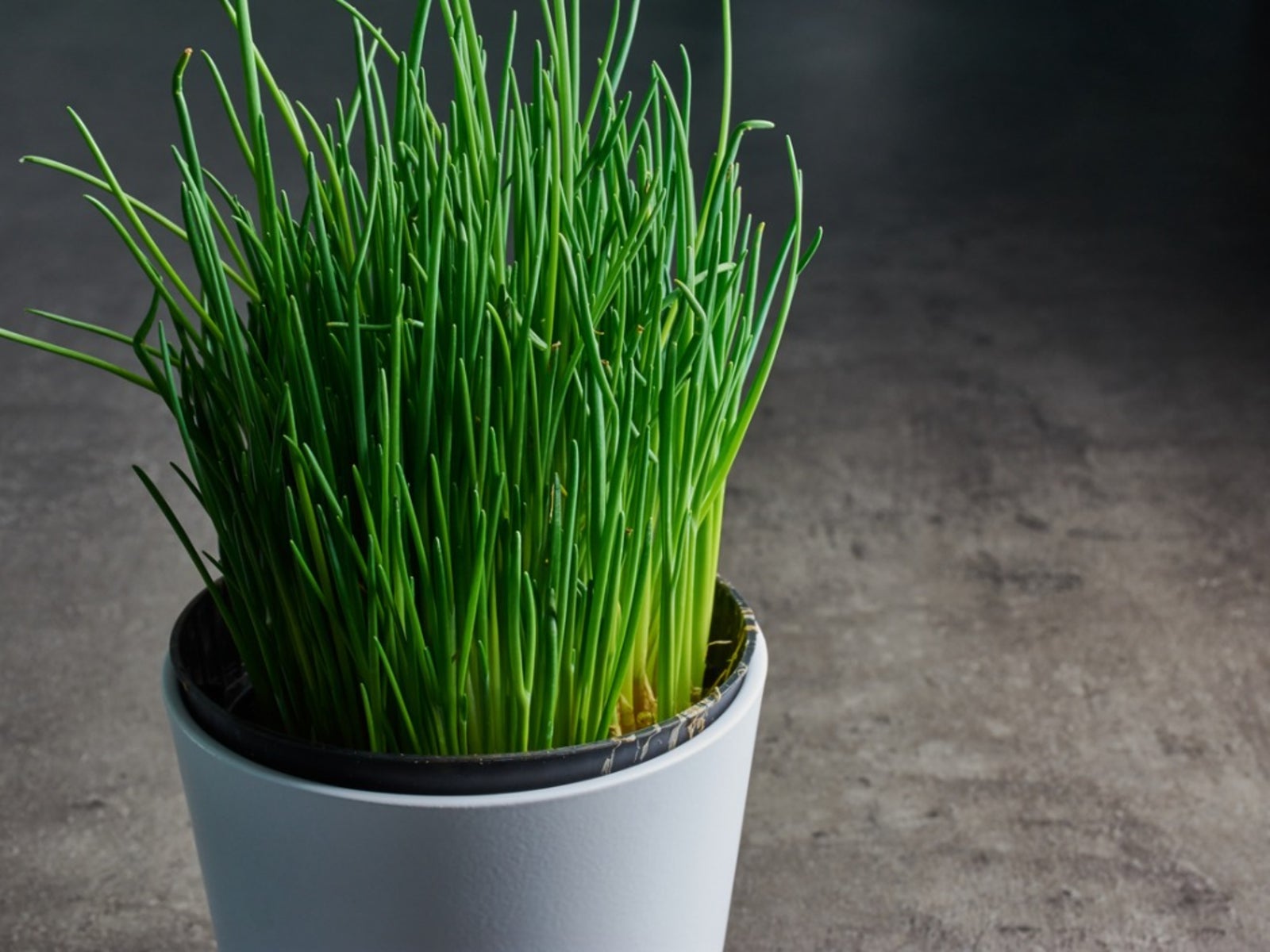
How To Grow Chives Indoors

How To Grow Chives Indoors

Posted on

Alright, let’s dive into growing chives indoors. It’s easier than you might think and a fantastic way to have fresh, snippable flavor right at your fingertips, no matter the weather outside.

Getting Started with Indoor Chives

So, you want to grow chives indoors? Excellent choice! These little oniony wonders are pretty low-maintenance and don’t need a ton of space. To get started, you’ll need a few things:

Chive Seeds or Starter plants: You can begin your chive journey from tiny seeds or get a head start with small plants from a garden center. Seeds will take a bit longer, but it’s a rewarding process. Starter plants give you instant gratification.

  • A Suitable Container: Think about a pot that’s at least 6 inches deep and wide. Good drainage is key, so make sure your pot has holes in the bottom. Terracotta or plastic pots both work well.
  • Good Quality Potting Mix: Don’t just grab any old dirt. Chives like well-draining, nutrient-rich soil. A good quality potting mix from your local garden store is perfect.
  • A Sunny Spot: Chives love sunlight. Aim for a location that gets at least 6 hours of direct sunlight per day. A south-facing window is usually ideal. If you don’t have a super sunny spot, don’t worry, you can supplement with grow lights.
  • Watering Can: You’ll need a way to keep your chives hydrated. A small watering can with a gentle spout is best.

  • Planting Your Chives

    How To Grow Chives Indoors
    Tips For Growing Chives Indoors Gardening Know How

    Once you’ve gathered your supplies, it’s time to get planting!

    From Seeds: If you’re starting from seed, sow them about a quarter-inch deep and about half an inch apart in your pot filled with potting mix. Gently water the soil so it’s moist but not soggy. You can sow a bunch of seeds in one pot for a nice, full clump of chives.

  • From Starter Plants: If you’ve got a starter plant, gently take it out of its nursery container. Loosen the roots a little bit with your fingers. Dig a small hole in your potting mix and place the plant in it, making sure the top of the root ball is level with the soil surface. Fill in around the plant with more potting mix and water gently.

  • Caring for Your Indoor Chives

    Now comes the part where you nurture your little green friends. It’s not too demanding, promise!

    Watering: Chives like consistent moisture, but they don’t like to be waterlogged. Water when the top inch of soil feels dry to the touch. During the winter months when growth slows down, you won’t need to water as often. Just make sure the soil doesn’t completely dry out.

  • Light: As mentioned, chives are sun lovers. If your windowsill doesn’t provide enough direct sunlight, consider using a grow light. Position it a few inches above your plants and keep it on for about 10-12 hours a day. You’ll know if they’re not getting enough light because they’ll look leggy and pale.
  • Temperature: Chives are pretty adaptable when it comes to temperature, but they generally prefer temperatures between 60-70°F (15-21°C). Avoid placing them near drafts or extreme temperature fluctuations.
  • Fertilizing: Since they’re growing in a container, the nutrients in the potting mix will eventually get used up. About once a month during the growing season (spring and summer), you can give your chives a diluted liquid fertilizer. Follow the instructions on the fertilizer packaging. You can skip fertilizing in the fall and winter when they aren’t growing as actively.
  • Trimming: Regular trimming is actually beneficial for your chives. It encourages more growth and keeps them from getting too tall and floppy. Just snip off the green leaves near the base of the plant with clean scissors whenever you need some for your cooking. Don’t be afraid to harvest! The more you snip, the more they’ll grow.
  • Repotting: Eventually, your chives might outgrow their container. If you see roots poking out of the drainage holes or if the plant seems to dry out very quickly, it’s time to repot. Choose a pot that’s an inch or two larger in diameter and refresh the potting mix. Spring is usually a good time to repot.
  • Pests and Diseases: Indoor chives are generally pretty resistant to pests and diseases. However, keep an eye out for common indoor plant pests like aphids or spider mites. If you spot any, you can usually wipe them off with a damp cloth or use an insecticidal soap. Overwatering can sometimes lead to fungal issues, so make sure your pot has good drainage and you’re not letting the soil stay soggy.

  • image.title
    Why You Should Grow Chives Indoors

    Harvesting Your Indoor Chives

    The best part about growing your own chives is being able to harvest them whenever you need them.

    When to Harvest: You can usually start harvesting once the chive leaves are about 6 inches tall.

  • How to Harvest: Use clean scissors to snip the leaves near the base of the plant, leaving about an inch or two of growth. This will allow the plant to continue producing new leaves. Harvest from different parts of the plant to encourage even growth.
  • Using Your Harvest: Freshly snipped chives add a wonderful mild oniony flavor to all sorts of dishes, from soups and salads to omelets and dips. You can also chop them up and freeze them for later use.

  • Conclusion

    Growing chives indoors is a simple and rewarding way to bring a touch of fresh flavor to your kitchen year-round. With a sunny spot, consistent watering, and occasional trimming, you’ll have a continuous supply of these versatile herbs right at your fingertips. So go ahead, get your hands a little dirty, and enjoy the satisfaction of growing your own delicious chives indoors!

    Frequently Asked Questions

    Can I grow chives indoors year-round?

    Yes, absolutely! As long as you provide them with enough light, water, and occasional nutrients, chives can thrive indoors throughout the entire year.

    How long does it take for chives to grow from seed indoors?

    You can typically expect to see seedlings emerge within 10-14 days. However, it will take a few months for them to grow large enough for a substantial harvest. Be patient, and you’ll be rewarded!

    Do indoor chives need a dormancy period like outdoor chives?

    Not necessarily. Since you’re controlling the environment indoors, your chives don’t typically go through a true dormancy. However, their growth might naturally slow down a bit during the shorter, darker days of winter. You can reduce watering slightly during this time.

    Can I grow other herbs in the same pot as chives?

    While it might be tempting to create a mini herb garden, it’s generally best to grow chives in their own pot. This allows you to cater specifically to their watering and nutrient needs without potentially overwatering or underfeeding other herbs.

    Why are my indoor chives turning yellow or brown?

    Yellowing or browning leaves can be a sign of a few things. It could be due to overwatering or underwatering, lack of nutrients, or insufficient light. Check the moisture level of the soil, ensure they’re getting enough light, and consider giving them a diluted fertilizer if it’s been a while. Adjust your care routine accordingly, and they should perk up.

    How to grow chives indoors

    Leave a Reply

    Your email address will not be published. Required fields are marked *