
Hey there! So, you’re looking to dive deep into the world of indoor tropical plant care for those meaty, SEO-friendly articles, huh? Awesome! Let’s get right to it.
Bringing the Tropics Home: Your Guide to Happy Indoor Tropical Plants
Ever wanted to bring that lush, vibrant jungle vibe right into your living room? Tropical plants are the perfect way to do it! Their gorgeous leaves and unique textures can really jazz up your space. But just like any living thing, they need a little TLC to thrive indoors. Don’t worry, it’s not as complicated as you might think. With a few key tweaks to your routine, you can keep your tropical beauties happy and healthy. Let’s dig in!
Light: Finding the Sweet Spot
Think about where these plants come from – the tropics! That means they’re used to bright, but often filtered, sunlight under the canopy of larger trees. Indoors, you’ll want to mimic this as best you can.
Bright Indirect Light is Your Friend
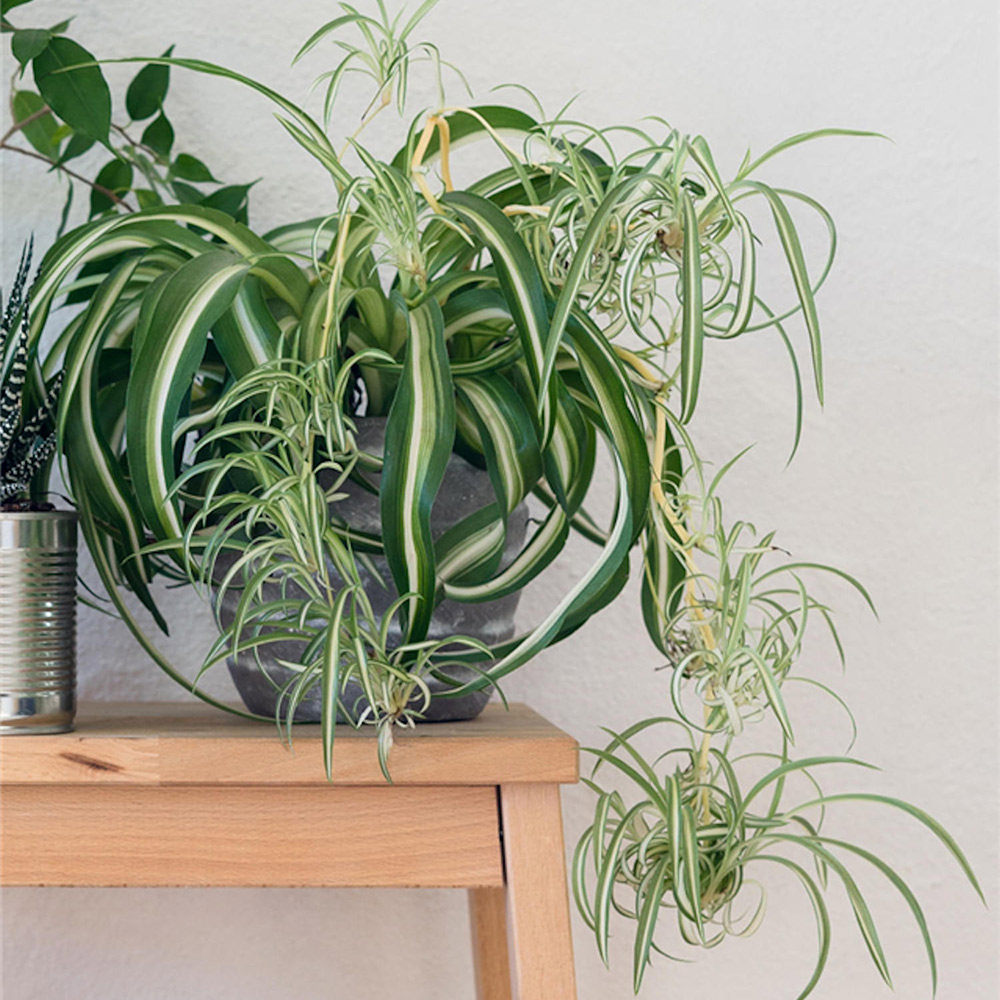
Most tropical plants love bright, indirect light. What does that mean? It’s the kind of light you’d get near an east-facing window or a few feet back from a south or west-facing window. Direct, harsh sunlight can actually scorch their delicate leaves, leaving ugly brown spots. Ouch!
What if You Don’t Have a Super Sunny Spot?
Don’t fret! There are still plenty of tropical plants that can tolerate lower light conditions. Think snake plants, ZZ plants, and peace lilies. They might not grow as quickly or flower as much, but they can still be stunning additions to your home. You can also supplement with grow lights if needed, especially during those darker winter months.
Watch for Clues
Your plants will tell you if they’re not getting the right amount of light. If they’re looking leggy (long stems with few leaves) or their vibrant colors are fading, they’re probably not getting enough light. If you see crispy, brown patches, especially on the leaves facing the window, they might be getting too much direct sun.
Water: The Balancing Act
Watering can be a tricky part of plant care, but getting it right is crucial for your tropical friends. The key is to find that sweet spot – not too much and not too little.
Not All Tropical Plants Drink the Same
Keep in mind that different tropical plants have different watering needs. Some like to stay consistently moist, while others prefer to dry out a bit between waterings. It’s always a good idea to research the specific needs of your plant.

The Finger Test is Your Best Friend
Instead of watering on a strict schedule, get your hands dirty! Stick your finger about an inch or two into the soil. If it feels dry, it’s probably time to water. If it feels moist, hold off for a bit. Overwatering is a common killer of indoor plants, leading to root rot. Soggy roots can’t breathe, and that’s bad news.
Water Thoroughly
When you do water, make sure to water thoroughly until you see water draining out of the bottom of the pot. This ensures that the entire root ball gets a good drink. Don’t let your plant sit in standing water, though. Empty the saucer underneath the pot after watering to prevent root rot.
Consider Your Water Quality
Some tap water can contain chemicals that tropical plants aren’t too fond of. If your tap water is heavily chlorinated, you might want to let it sit out overnight before watering or use filtered water.
Humidity: Bringing on the Moisture
Remember that tropical environments are usually pretty humid. Indoor air, especially with heating or air conditioning running, can be quite dry. Many tropical plants will appreciate a boost in humidity.
How to Increase Humidity
There are several ways to create a more humid environment for your plants:
# Grouping Plants Together
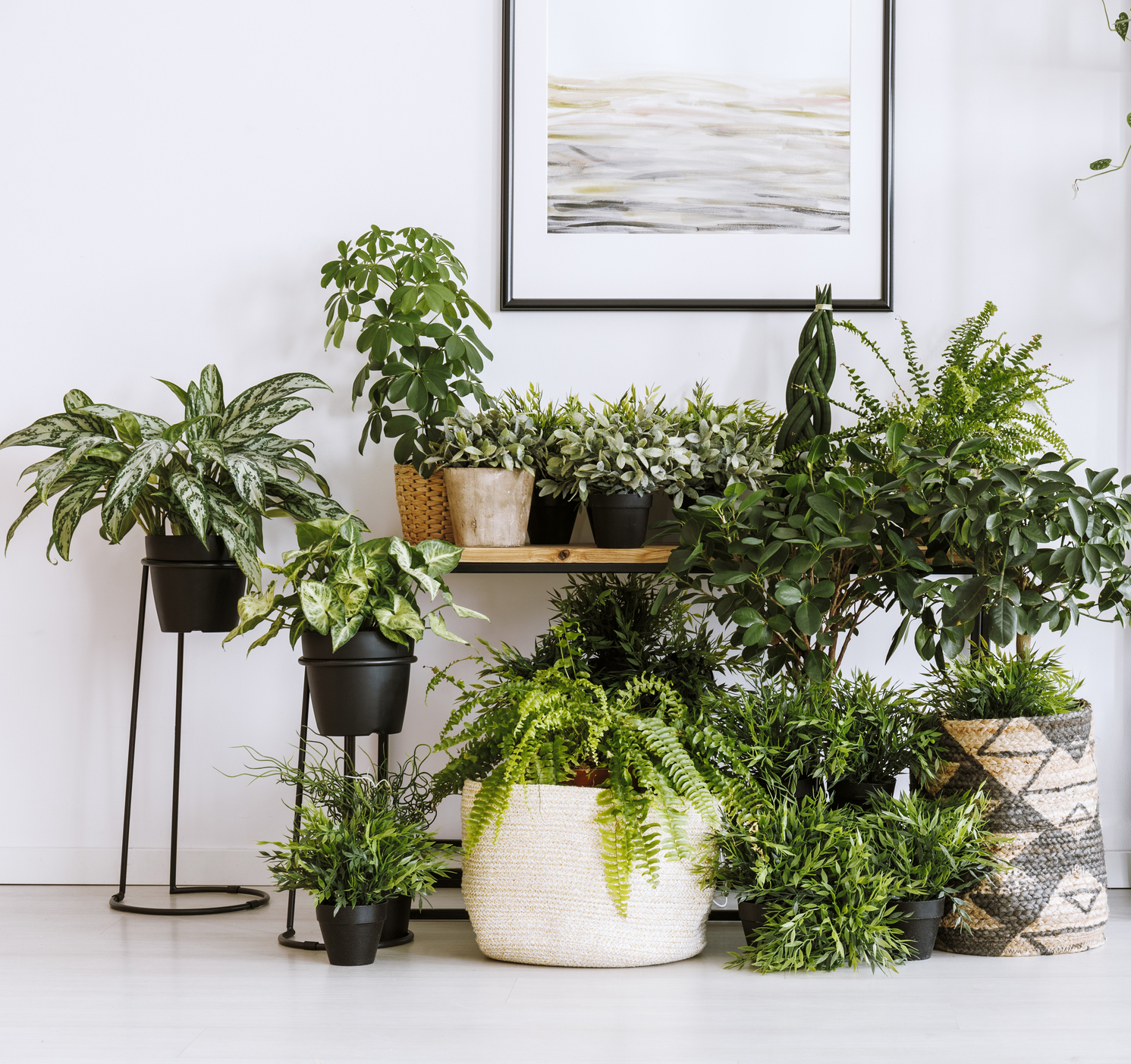
Plants release moisture through their leaves, so grouping them together can create a little microclimate of higher humidity. Plus, a cluster of lush greenery looks amazing!
# Using a Humidifier
A humidifier is a great way to consistently increase the humidity in a room or a specific area. This is especially helpful during dry winter months.
# Misting Regularly
Misting your plants with water can temporarily increase humidity. However, make sure the leaves dry relatively quickly to prevent fungal issues.
# Pebble Trays
Place your plant pots on trays filled with pebbles and water. As the water evaporates, it increases the humidity around the plant. Just make sure the bottom of the pot isn’t sitting directly in the water.
Signs of Low Humidity
If your plant’s leaves are developing brown, crispy edges or tips, the air might be too dry.
Temperature: Keeping Things Cozy
Most indoor tropical plants are happy with average room temperatures between 65-75°F (18-24°C). Avoid extreme temperature fluctuations and keep them away from drafts from heating vents, air conditioners, or open windows.
Watch Out for Cold Drafts
Sudden drops in temperature can stress your tropical plants. Be mindful of where you place them, especially during colder months.
Soil and Repotting: Giving Them a Good Foundation
The right soil mix provides essential nutrients and drainage for your tropical plants.
Choose Well-Draining Soil
A good quality potting mix that’s designed for indoor plants is usually a safe bet. You can also amend it with things like perlite or coco coir to improve drainage and aeration. Tropical plants generally don’t like to sit in soggy soil.
Repotting When Necessary
As your plant grows, its roots will eventually fill the pot. You’ll know it’s time to repot when you see roots growing out of the drainage holes or the plant dries out very quickly after watering. Choose a pot that’s only slightly larger than the current one. Repotting into a pot that’s too big can lead to the soil staying wet for too long, increasing the risk of root rot. Spring or early summer is usually the best time for repotting.
Feeding: A Little Boost Goes a Long Way
During the active growing season (usually spring and summer), your tropical plants will appreciate a little extra food.
Choose the Right Fertilizer
Use a balanced liquid fertilizer diluted to half strength every few weeks. There are also slow-release fertilizers you can mix into the soil.
Don’t Overdo It
Over-fertilizing can actually harm your plants, leading to burnt leaf tips and other problems. It’s always better to under-fertilize than over-fertilize.
Hold Off in Winter
During the fall and winter months, when plant growth naturally slows down, you can reduce or stop fertilizing altogether.
Keeping Them Clean: Dusting Duty
Dust can accumulate on plant leaves, blocking sunlight and hindering photosynthesis. Gently wipe down the leaves with a damp cloth every now and then to keep them clean and happy. This also gives you a chance to inspect your plants for any signs of pests or problems.
Conclusion: Nurturing Your Indoor Jungle
Caring for indoor tropical plants is a rewarding experience. By understanding their basic needs for light, water, humidity, temperature, soil, and occasional feeding, you can create a thriving indoor jungle that brings beauty and life to your home. Pay attention to your plants, learn their individual preferences, and enjoy the process of watching them grow!
Frequently Asked Questions
What are some good beginner-friendly tropical plants?
Snake plants, ZZ plants, pothos, and peace lilies are generally considered easy to care for and can tolerate a wider range of conditions.
How do I know if I’m overwatering my plant?
Signs of overwatering include yellowing or mushy leaves, wilting even when the soil is wet, and a foul odor coming from the soil.
Why are the tips of my plant’s leaves turning brown?
Brown leaf tips can be caused by several factors, including low humidity, inconsistent watering, or tap water with high mineral content.
Should I rotate my plants?
Yes, rotating your plants periodically (every few weeks) can help ensure that all sides receive even light, leading to more balanced growth.
How do I deal with pests on my indoor tropical plants?
Common indoor plant pests include spider mites, mealybugs, and scale. You can try wiping them off with a damp cloth, spraying with insecticidal soap, or using neem oil. Isolate the affected plant to prevent the pests from spreading.
How to care for tropical plants indoors