:max_bytes(150000):strip_icc()/growing-blueberries-in-containers-1d653164dac94a62b066d51d4690379d.jpg?ssl=1 "How To Grow Blueberries In Containers")
Alright, let’s get those blueberries growing in pots! Here’s a long-form article you can adapt for your WordPress site.
How to Grow Blueberries in Containers: Your Guide to Berry Bliss
Want fresh, juicy blueberries right outside your door, even if you don’t have a big yard? You’re in luck! Growing blueberries in containers is totally doable and can be super rewarding. Plus, it gives you a lot of control over their growing conditions, which these little guys can be a bit picky about. So, grab your gardening gloves, and let’s dive into how you can cultivate your own container blueberry patch.
Picking the Perfect Pot for Your Berries
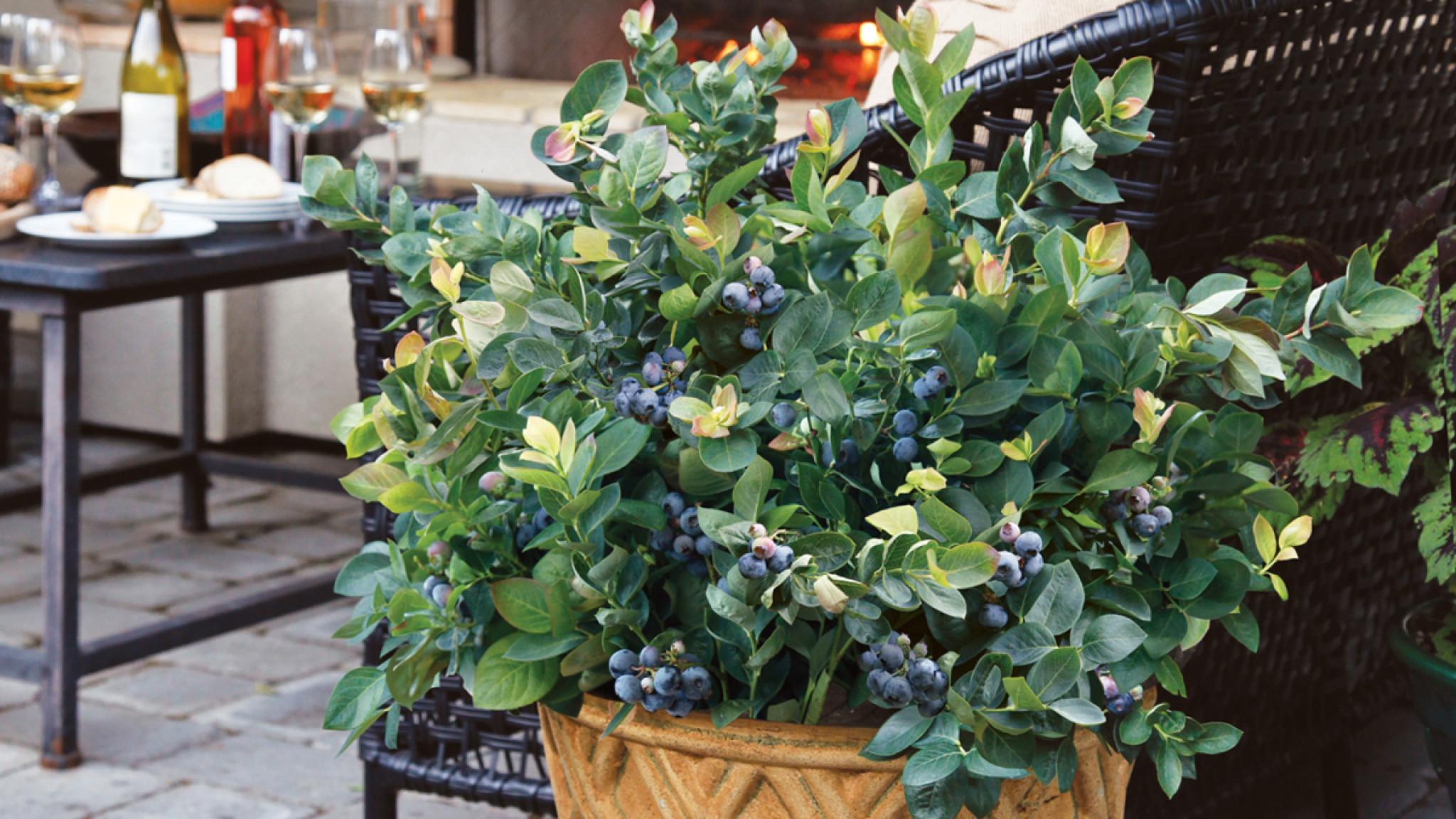
First things first, you need a good home for your blueberry plant. Size matters here. Blueberries have a pretty decent root system, so you’ll want a container that’s at least 15-20 gallons. Think big! A smaller pot will restrict root growth, and that means fewer berries for you.
:max_bytes(150000):strip_icc()/growing-blueberries-in-containers-1d653164dac94a62b066d51d4690379d.jpg "image.title")
Material-wise, plastic, terracotta, or even fabric pots can work. Just make sure whatever you choose has good drainage holes. Blueberries hate soggy feet, and standing water can lead to root rot – a big no-no. If you’re in a super hot climate, lighter-colored pots can help keep the roots cooler.
Choosing the Right Blueberry Variety
Not all blueberries are created equal, especially when it comes to container growing. Some varieties are more compact and better suited for pots than others. Here are a few types to consider:
# Dwarf and Compact Varieties
These are your best friends for container gardening. Look for names like ‘Top Hat,’ ‘Pink Popcorn,’ or ‘Little Blue Wonder.’ They don’t get too big and still produce tasty berries.
# Half-High Varieties
These are a bit bigger than the dwarfs but can still thrive in large containers. ‘Northland’ and ‘Patriot’ are popular half-high choices known for their cold hardiness and good yields.
# Southern Highbush Varieties
If you live in a warmer climate, these are the way to go. They have lower chill hour requirements (the number of hours below a certain temperature needed for them to fruit properly). ‘Sunshine Blue’ and ‘Misty’ are good options.
Do a little research on the varieties that will do well in your specific climate. Local nurseries are a great resource for this!
The Secret Sauce: Getting the Soil Right
Blueberries are acid-loving plants, meaning they need a soil pH between 4.5 and 5.5 to really thrive. This is probably the most crucial part of growing happy blueberry bushes. Regular potting soil just won’t cut it – it’s usually too alkaline.
# Creating the Perfect Acidic Mix
You have a couple of options here:
Buy an Azalea, Camellia, or Rhododendron Mix: These are specifically formulated for acid-loving plants and work great for blueberries.
You can test the pH of your soil using a home soil test kit, which you can find at most garden centers. If your pH is too high, you can lower it by adding elemental sulfur or sphagnum peat moss. Be patient; it can take some time for the pH to adjust.
Planting Your Blueberry Bush
Once you have your pot and your acidic soil ready, it’s time to plant!
# Gentle Handling is Key
Carefully remove your blueberry plant from its nursery container. Gently loosen any circling roots – these can eventually girdle the plant if left untended.
# Planting Depth
Place the plant in your container so that the top of the root ball is about an inch or two below the rim of the pot. This leaves room for watering.
# Backfilling with Care
Fill the rest of the pot with your acidic soil mix, gently firming it around the base of the plant. Avoid packing it down too tightly.
# Water Thoroughly
Once planted, water your blueberry bush thoroughly until water drains out the bottom of the pot. This helps settle the soil around the roots.
Watering Your Container Blueberries
Container plants tend to dry out faster than those in the ground, so regular watering is important. However, as we mentioned before, blueberries don’t like to be waterlogged.
# The Finger Test
The best way to know if your blueberry needs water is to stick your finger about an inch or two into the soil. If it feels dry, it’s time to water.
# Water Deeply
When you do water, water deeply until you see drainage from the bottom of the pot. This ensures that the entire root ball gets moistened.
# Avoid Overwatering
Be careful not to overwater, especially if your pot doesn’t have excellent drainage. Soggy soil can lead to root rot.
Feeding Your Blueberry Plant
Blueberries need regular feeding to produce a good crop of berries.
# Acid-Loving Fertilizers
Use a fertilizer specifically formulated for acid-loving plants like azaleas or rhododendrons. These fertilizers have the right nutrient balance for blueberries.
# Timing is Everything
Fertilize your blueberry plant in early spring as new growth begins and again a couple of months later. Avoid fertilizing too late in the season, as this can encourage new growth that might be damaged by frost.
# Follow Instructions
Always follow the instructions on your fertilizer label for the correct application rate. Over-fertilizing can harm your plant.
Pruning for Health and Production
Pruning might seem intimidating, but it’s essential for keeping your blueberry bush healthy and productive.
# First Few Years
For the first few years, focus on removing any dead, damaged, or crossing branches. This helps establish a good structure.
# Mature Plants
Once your plant is a few years old, you’ll also want to remove some of the older, less productive canes to encourage new growth. Blueberry bushes produce best on younger wood. Prune in late winter or early spring before new growth begins.
Protecting Your Berries
Even in containers, your blueberries might face some challenges.
# Birds
Birds love blueberries just as much as you do! Netting is an effective way to protect your ripening berries. You can find bird netting at most garden centers.
# Pests and Diseases
Keep an eye out for common pests like aphids or scale. If you notice any problems, you can usually treat them with insecticidal soap or neem oil. Container-grown blueberries are often less susceptible to soil-borne diseases, but good drainage is still key to prevention.
Winter Care for Container Blueberries
If you live in an area with cold winters, you’ll need to take some extra steps to protect your container blueberries.
# Moving Indoors or Protecting Outdoors
In very cold climates, you might want to move your containers to an unheated garage or shed to protect the roots from freezing temperatures. If moving them isn’t an option, you can insulate the pots by wrapping them in burlap or bubble wrap.
# Watering During Winter
Even in winter, your blueberry plants will need some moisture. Water sparingly on mild days, ensuring the soil doesn’t completely dry out.
Patience is a Virtue
Don’t be discouraged if you don’t get a huge harvest in the first year or two. It takes time for blueberry plants to mature and really start producing. With proper care, your container-grown blueberries will reward you with delicious berries for years to come.
Conclusion
Growing blueberries in containers is a fantastic way to enjoy homegrown fruit, no matter the size of your garden. By choosing the right pot and variety, providing acidic soil, watering and fertilizing correctly, and offering a little protection, you can cultivate a thriving blueberry bush right on your patio or balcony. So, get planting and look forward to the sweet taste of your own homegrown blueberries!
Frequently Asked Questions
How often should I repot my container blueberry plant?
It’s generally a good idea to repot your blueberry plant every 2-3 years. As the plant grows, its roots will eventually fill the container. When repotting, choose a slightly larger pot and refresh the acidic soil mix. The best time to repot is in late winter or early spring before new growth begins.
Can I grow more than one blueberry plant in the same container?
While it’s technically possible to grow multiple dwarf varieties in a very large container, it’s generally recommended to give each blueberry plant its own pot. This ensures they have enough space for their roots to grow and reduces competition for nutrients and water.
How long does it take for a container blueberry plant to produce fruit?
You might get a small harvest in the second or third year after planting, but it typically takes around 4-5 years for a blueberry plant to reach its full production potential. Be patient – the delicious berries are worth the wait!
Do container blueberries need full sun?
Yes, blueberries thrive in full sun, which means they need at least 6-8 hours of direct sunlight per day. Choose a sunny spot for your containers to ensure good growth and fruit production.
What if the leaves on my blueberry plant are turning yellow?
Yellowing leaves (chlorosis) can be a sign of several issues, but in blueberries, it’s often due to a lack of soil acidity. If your soil pH is too high, the plant can’t properly absorb nutrients like iron. Test your soil pH and amend it with elemental sulfur or peat moss if necessary. Overwatering or nutrient deficiencies can also cause yellowing, so ensure you have good drainage and are using an appropriate fertilizer.
How to grow blueberries in containers