
Alright, let’s get those beets growing in containers! It’s totally doable and can be pretty rewarding. Here’s how you can make it happen:
Getting Started with Container Beets
So, you wanna grow beets in pots, huh? Awesome! It’s a great way to have fresh, earthy goodness even if you don’t have a big yard. Plus, you can move them around to catch the best sun. Here’s the lowdown on getting started:
Picking the Right Container
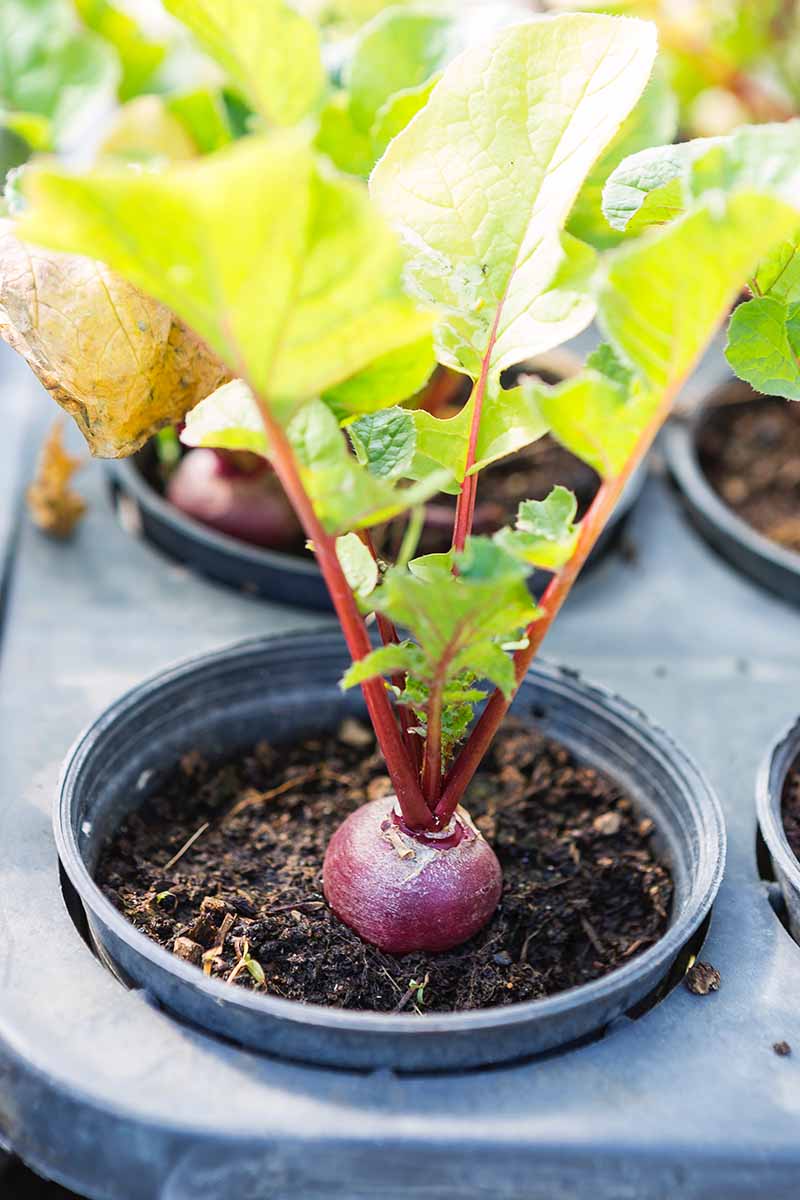
Size matters, especially for those root veggies. Beets need some room to grow downwards. You’re gonna want a container that’s at least 12 inches deep and about 8 inches wide for each plant. If you’re planning on growing a few together, a bigger, wider container will work just fine – just make sure each beet has that 8-inch breathing room. Good drainage is also key, so make sure your container has holes in the bottom.
Choosing Your Beet Variety
There are tons of different kinds of beets out there, and some are better suited for containers than others. Look for round or smaller varieties like ‘Early Wonder’, ‘Red Ace’, ‘Golden’, or ‘Chioggia’. These tend to do well in the limited space of a pot. Avoid the really long, cylindrical types – they might not have enough room to stretch out.
Getting Your Soil Ready
Beets like soil that’s loose, well-draining, and rich in organic matter. You can grab a good quality potting mix from your local garden center. Don’t use garden soil straight from the ground – it can get too compacted in a container. You can also mix in some compost or well-rotted manure to give your beets a nutrient boost right from the start.
Planting Your Beet Seeds
Alright, time to get those seeds in the soil!
When to Plant
Beets are cool-season crops, which means they like it a bit chilly. You can plant them in early spring as soon as the soil can be worked, or in late summer for a fall harvest. If you live in a warmer climate, you can even get away with a winter crop. Check your specific beet variety for the best planting times in your area.
Sowing the Seeds
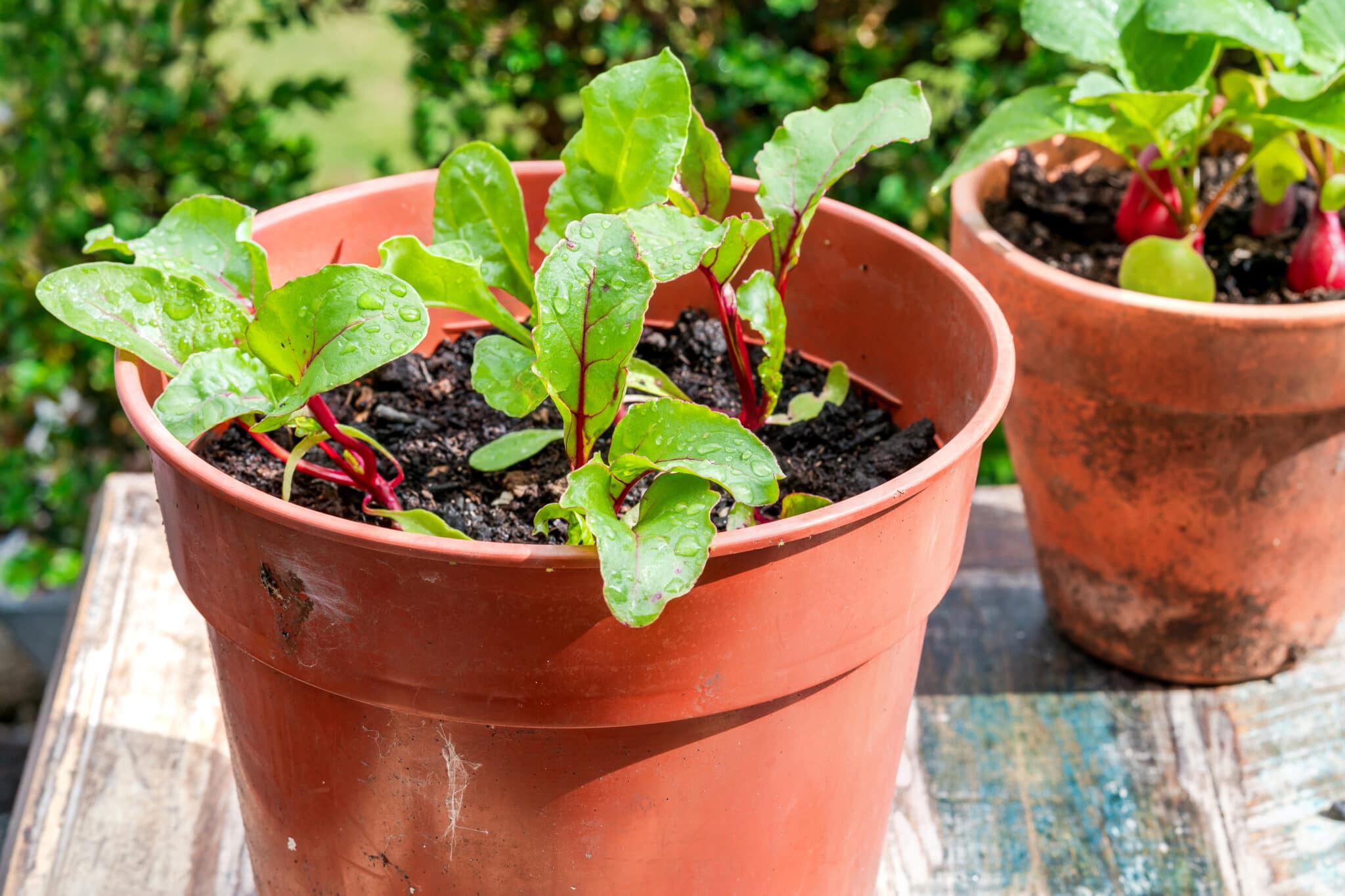
Plant your beet seeds about half an inch deep and about 2-3 inches apart. If you’re using a larger container, you can sow them in rows or just scatter them evenly. Don’t worry if you plant a few too many – you can always thin them out later.
Watering After Planting
Give your newly planted seeds a gentle watering. You want the soil to be moist but not waterlogged.
Caring for Your Container Beets
Now that your beet babies are in the ground, here’s how to keep them happy and growing:
Sunlight Needs
Beets love sunshine! They need at least 6 hours of direct sunlight each day to thrive. If you don’t have a spot that gets that much sun, they might still grow, but the roots might be smaller.
Watering Regularly
Keep the soil consistently moist, especially when the roots are developing. Stick your finger about an inch into the soil – if it feels dry, it’s time to water. Avoid letting the soil dry out completely, but also don’t overwater, as this can lead to root rot.
Thinning Seedlings
If more than one seed sprouts in the same spot, you’ll need to thin them out. Once the seedlings have a couple of true leaves (the second set of leaves that appear), snip off the weaker ones at the soil line, leaving the strongest seedling in each spot. This gives the remaining beets enough space to grow.
Fertilizing Your Beets
Beets aren’t heavy feeders, but they’ll appreciate a little extra food. About a month after planting, you can give them a balanced liquid fertilizer diluted to half strength. Avoid fertilizers that are too high in nitrogen, as this can encourage leafy growth at the expense of root development.
Dealing with Pests and Diseases
Container beets are generally less prone to pests and diseases than those grown in the ground. However, keep an eye out for common garden pests like aphids or flea beetles. You can usually wash them off with a strong stream of water or use insecticidal soap if needed. Root rot can be an issue if the soil stays too wet, so make sure your container has good drainage.
Harvesting Your Beets
The exciting part! Time to dig up those homegrown goodies.
When to Harvest
Beets are usually ready to harvest when the roots are about 1 to 3 inches in diameter. The exact time will depend on the variety you’re growing. You can gently brush away some of the soil around the base of the plant to check the size. Don’t let them get too big and woody.
How to Harvest
Grasp the beet greens near the base and gently pull upwards. If the soil is a bit firm, you can loosen it around the beet with a small trowel first.
Enjoying Your Harvest
Once you’ve harvested your beets, you can eat the roots and the greens! The roots can be roasted, boiled, pickled, or even eaten raw. The greens are also nutritious and can be sautéed or added to salads.
Conclusion
Growing beets in containers is a fantastic way to enjoy fresh, homegrown vegetables, even in limited spaces. By choosing the right container and beet variety, providing consistent care, and knowing when to harvest, you’ll be well on your way to enjoying the earthy sweetness of your own container-grown beets. Happy gardening!
Frequently Asked Questions
How often should I water my container beets?
Water your container beets whenever the top inch of soil feels dry to the touch. This might be every day or every few days, depending on the weather and the size of your container.
Can I grow different colors of beets in the same container?
Absolutely! Growing different colored beets like red, golden, and Chioggia in the same container can be fun and will give you a colorful harvest. Just make sure they all have enough space to grow.
Do I need to rotate my beet containers like I would in a garden bed?
Container gardening naturally limits soilborne diseases and nutrient depletion in the same way as in-ground gardening. However, refreshing your potting mix each year is a good practice to ensure your beets have the nutrients they need.
Why are my beet greens growing so much but the roots are small?
This could be a sign of too much nitrogen in the soil. Avoid using high-nitrogen fertilizers. A balanced fertilizer applied sparingly should encourage better root development. Also, make sure your beets are getting enough sunlight.
Can I start beet seeds indoors and then transplant them to containers?
While it’s possible, beets don’t always transplant well because their taproots can be easily disturbed. It’s generally best to sow beet seeds directly into your containers.
How to grow beets in containers