
planting a tree can be super rewarding! Not only do you get some nice greenery, but you’re also doing a solid for the environment. Plus, watching something you planted grow big and strong is just plain cool. So, you’re thinking about getting a tree in the ground? Awesome! Here’s the lowdown on how to make sure your new leafy friend thrives.
Picking the Perfect Spot
Think of your yard like a potential home for your tree. Just like you wouldn’t want to live somewhere that’s always flooded or has zero sunlight, your tree has preferences too.
Sunshine Needs
Most trees are sun-lovers, needing at least six hours of direct sunlight each day. Some can handle a bit of shade, but if you want good growth and maybe even some flowers or fruit, aim for a sunny spot. Take a look at your yard throughout the day to see where the sun hangs out the longest.
Soil Matters
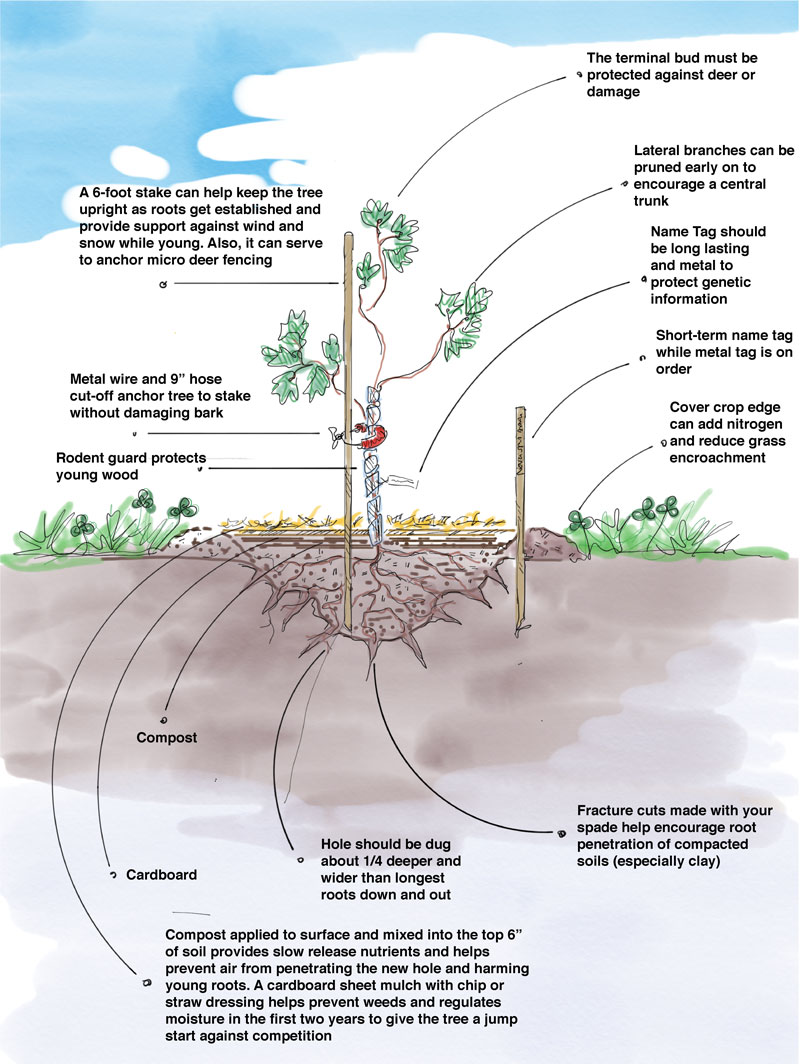
Imagine trying to grow in concrete – not fun, right? Trees feel the same way about poor soil. You want soil that drains well but can also hold onto some moisture. Clay soil can get waterlogged, while sandy soil might dry out too fast. You can get a soil testing kit from a garden center to see what you’re working with. Don’t worry if your soil isn’t perfect; you can often improve it by mixing in some compost or other organic matter.
Space to Grow
Think big! That little sapling might look tiny now, but it’s going to get bigger – sometimes a lot bigger. Consider the mature size of the tree you’re planting, both its height and how wide its branches will spread. You don’t want it bumping into your house, power lines, or your neighbor’s fence down the road. Also, think about the root system. Some trees have wide-spreading roots that can mess with sidewalks or pipes if planted too close.
Digging the Hole
Alright, you’ve picked the perfect spot. Time to get your hands dirty!
Size is Key
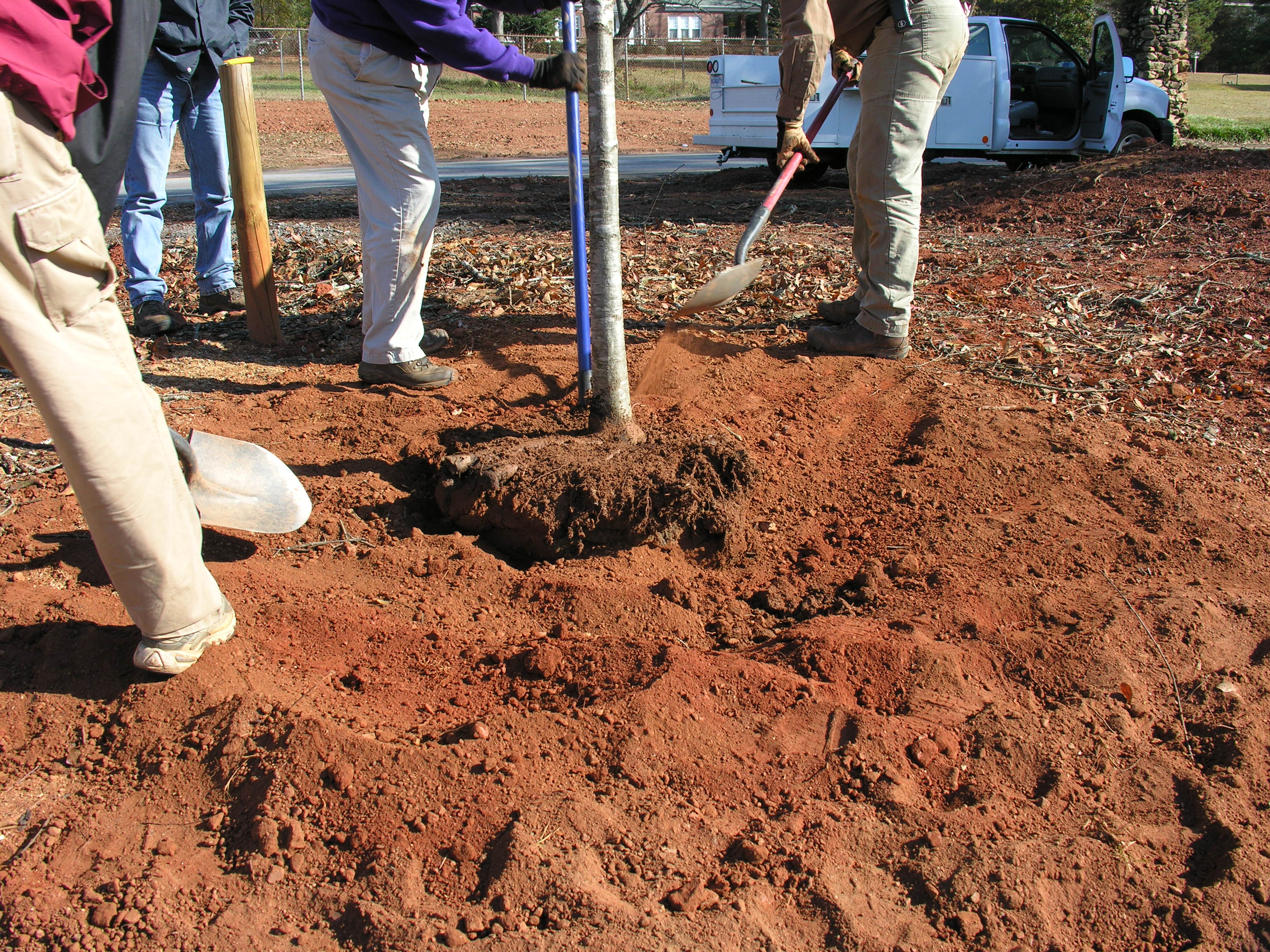
The hole you dig should be wider than the root ball of your tree, usually about two to three times the width. This gives the roots space to spread out easily. However, the depth of the hole is crucial. You want the top of the root ball to be level with or slightly above the surrounding ground. Planting too deep can suffocate the roots.
Gentle Root Handling
Carefully take the tree out of its container. If the roots are circling around the pot (pot-bound), gently loosen them up with your fingers or by making a few vertical slices along the root ball. This encourages them to grow outward into the surrounding soil.
Planting Time
Now for the main event!
Position Carefully
Lower the tree into the hole, making sure the top of the root ball is at the right level. Eyeball it to make sure it’s straight.
Backfilling with Care
Start filling the hole with the soil you dug out. Gently break up any large clumps. As you fill, lightly tamp down the soil to eliminate air pockets, but don’t pack it down too tightly, as this can also hinder root growth. You want the soil to be firm but still allow for air and water movement.
Watering Wisdom
Water is your tree’s new best friend, especially in the beginning.
Initial Deep Watering
Once you’ve finished backfilling, give your new tree a good, deep watering. This helps settle the soil around the roots and gets them hydrated. Water slowly and thoroughly until the soil is moist a few inches down.
Ongoing Watering
For the first few months, especially during dry spells, you’ll need to water your tree regularly. How often depends on your climate and soil type, but aim to keep the soil consistently moist (like a wrung-out sponge) but not waterlogged. You can check the moisture level by sticking your finger a couple of inches into the soil.
Mulch Magic
Mulch is like a cozy blanket for your tree’s roots.
Benefits of Mulch
A layer of organic mulch (like wood chips or shredded bark) around the base of your tree (but not touching the trunk!) helps retain soil moisture, suppress weeds, and regulate soil temperature. As it breaks down, it also adds nutrients to the soil.
Applying Mulch Correctly
Spread a layer of mulch about 2-4 inches deep in a circle around the tree, extending out to the drip line (the area directly under the outermost branches). Keep the mulch a few inches away from the tree trunk to prevent rot and pest problems.
Staking Support (If Needed)
Sometimes, young trees, especially in windy areas or if they were tall and slender when you bought them, might need a little extra support.
When to Stake
If your tree seems wobbly or like it might topple over in strong winds, staking can help it establish a strong root system.
How to Stake
Use two or three stakes placed firmly in the ground outside the root ball. Attach the tree to the stakes with soft, flexible ties, making sure the ties aren’t too tight and allow for some movement. You don’t want the tree to become completely dependent on the stakes. Generally, you can remove the stakes after the first growing season once the tree has established itself.
Ongoing Care
Planting is just the first step. To ensure your tree thrives for years to come, a little ongoing care is needed.
Regular Check-ups
Keep an eye on your tree for any signs of stress, like wilting leaves, discoloration, or pest infestations. Catching problems early can make them easier to deal with.
Pruning Principles
Young trees usually don’t need much pruning, but as they grow, you might need to prune to remove dead, damaged, or crossing branches. The best time to prune most trees is during their dormant season (late winter or early spring). Always use clean, sharp pruning tools.
Feeding (Sometimes)
Most healthy trees in good soil don’t need regular fertilization. However, if your soil is poor or your tree shows signs of nutrient deficiency (like yellowing leaves or stunted growth), you might consider a balanced tree fertilizer. It’s always a good idea to get your soil tested before fertilizing.
Conclusion
Planting a tree successfully is a rewarding process that involves a bit of planning, some digging, and consistent care. By choosing the right spot, preparing the soil properly, planting at the correct depth, watering diligently, and providing ongoing attention, you’ll give your new tree the best possible start in life. So go ahead, get that sapling in the ground and enjoy watching it grow and flourish for years to come!
Frequently Asked Questions
How often should I water my newly planted tree?
Water deeply immediately after planting. For the first few weeks, water every few days, especially if the weather is dry. After that, you can gradually reduce watering frequency, but make sure the soil stays consistently moist for the first growing season. The best way to check is to feel the soil a couple of inches down; it should feel like a wrung-out sponge.
What kind of mulch is best for trees?
Organic mulches like wood chips, shredded bark, pine needles, or compost are excellent choices. They help retain moisture, suppress weeds, and enrich the soil as they decompose. Avoid using inorganic mulches like rocks or rubber, as they don’t offer the same benefits.
How close to my house can I plant a tree?
This depends entirely on the mature size and root system of the tree species. For large trees with spreading roots, you’ll want to plant them at least 15-20 feet away from your foundation to avoid potential damage. Smaller trees with less aggressive roots can be planted closer, but always research the specific tree you’re planting.
Do I need to fertilize my new tree?
Generally, you don’t need to fertilize a newly planted tree right away. The roots need time to establish in the existing soil. If your soil is known to be very poor, you can amend it with compost at planting time. Avoid using strong synthetic fertilizers in the first year, as they can sometimes burn young roots. If your tree shows signs of nutrient deficiency later on, consider a soil test before applying any fertilizer.
When is the best time of year to plant a tree?
The best time to plant a tree is generally in the spring or fall when the weather is mild and the soil is moist. This gives the tree’s roots time to establish before the stresses of hot summer or freezing winter. However, container-grown trees can often be planted successfully throughout the growing season as long as you provide adequate water. Avoid planting during extreme heat or cold.
How to plant a tree successfully