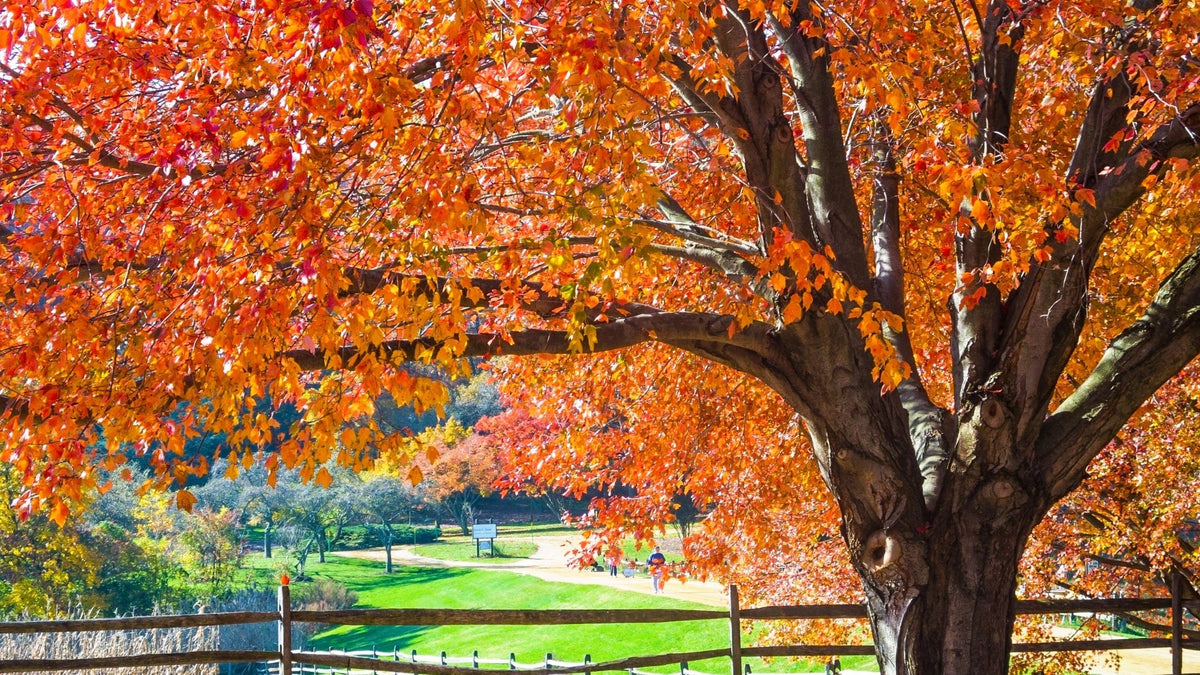
Maple Tree Plant

Maple Tree Plant

Posted on

The majesty of the maple tree lies not just in its vibrant fall foliage, but also in the incredible diversity within the genus Acer. With over 125 species, selecting the perfect maple for your landscape can feel overwhelming. But fear not, fellow tree enthusiasts! This guide will help you navigate the enchanting world of maples and choose the ideal variety for your garden.

Consider Your Climate:

Maples are adaptable, but they thrive in specific climates.

Cool Climates: If you reside in cooler regions with cold winters, consider species like the Sugar Maple (Acer saccharum). Renowned for its sweet sap and brilliant fall colors, it’s a classic choice. The Norway Maple (Acer platanoides) is another robust option, known for its fast growth and tolerance of urban conditions.

  • Warmer Climates: For milder climates, explore the Red Maple (Acer rubrum). This versatile species boasts stunning scarlet foliage and thrives in a range of soil conditions. The Japanese Maple (Acer palmatum), with its delicate foliage and elegant forms, adds a touch of Eastern grace to warmer gardens.

  • Assess Your Space:

    Maple Tree Plant
    How to Plant and Care for Maple Trees Garden Goods Direct image.alt

    Size Matters: Maples come in various sizes, from petite shrubs to towering giants. Consider the mature size of the tree and ensure it has ample room to grow.

  • Root Systems: Many maples have aggressive root systems that can damage sidewalks, foundations, and underground pipes. Choose dwarf varieties or those with less invasive roots if space is limited.

  • Soil Preferences:

    Well-Drained Soil: Most maples prefer well-drained soil that is rich in organic matter. Avoid planting in heavy clay or poorly drained areas, as this can lead to root rot.

  • Soil pH: While many maples tolerate a range of soil pH, some have specific preferences. Research the preferred soil conditions for your chosen variety.

  • Light Requirements:

    Sunlight: Most maples thrive in full sun to partial shade. However, some varieties, like the Japanese Maple, appreciate dappled shade, especially in hot climates.

  • Wind Exposure: Consider the wind exposure in your garden. Some maples are more susceptible to wind damage than others.

  • Aesthetic Considerations:

    Fall Color: If you’re drawn to the vibrant fall foliage, consider species known for their spectacular displays. Sugar Maples, Red Maples, and Japanese Maples are renowned for their fiery autumn hues.

  • Form and Habit: Maples exhibit a wide range of forms, from upright and columnar to weeping and cascading. Choose a variety that complements the style of your garden.
  • Bark: Some maples, like the River Birch Maple (Acer rubrum ‘Redpointe’), have attractive bark that adds winter interest to the landscape.

  • Beyond the Basics:

    Disease and Pest Resistance: Research the susceptibility of different varieties to common diseases and pests. Choosing disease-resistant cultivars can save you time and effort in the long run.

  • Native Varieties: Consider planting native maple species. They are well-adapted to local conditions and support local ecosystems.

  • A Few Popular Choices:

    Sugar Maple (Acer saccharum): A classic choice for its stunning fall color and sweet sap.

  • Red Maple (Acer rubrum): Adaptable and beautiful, with vibrant red foliage in autumn.
  • Japanese Maple (Acer palmatum): A diverse group with elegant forms and delicate foliage.
  • Norway Maple (Acer platanoides): A fast-growing and adaptable option, though it can be invasive in some areas.

  • A Note on Cultivars:

    Many maple species have numerous cultivars available, each with unique characteristics. These cultivars offer a wide range of sizes, colors, and growth habits, allowing you to find the perfect fit for your garden.

    By carefully considering these factors, you can select the ideal maple tree for your landscape. Whether you’re drawn to the majestic Sugar Maple, the vibrant Red Maple, or the delicate beauty of the Japanese Maple, the rewards of planting a maple tree will be enjoyed for generations to come.

    Understanding Maple Tree Planting

    Planting a maple tree is a rewarding experience, but it’s crucial to do it right to ensure the tree’s health and longevity. Here’s a step-by-step guide to successful maple tree planting:

    1. Timing is Key:

    Spring: Spring is generally the ideal time to plant most maples, as the soil is warming up and the tree has the entire growing season to establish itself.

  • Fall: In some regions, fall planting can be successful, especially if the tree is dormant and the ground is still warm. However, ensure the tree has adequate time to establish roots before the ground freezes.

  • 2. Site Selection:

    Sunlight: Choose a location that provides the appropriate amount of sunlight for your chosen maple variety.

  • Soil: Ensure the soil is well-drained and rich in organic matter.
  • Space: Consider the mature size of the tree and provide ample space for its roots and canopy to develop.

  • 3. Preparing the Planting Hole:

    Dig a Wide, Shallow Hole: Dig a planting hole that is wider than the root ball but no deeper. A wide hole encourages root growth outward.

  • Amend the Soil: If necessary, amend the soil in the planting hole with compost or other organic matter to improve drainage and fertility.

  • 4. Planting the Tree:

    Gently Remove the Tree from its Container: Carefully remove the tree from its container, being mindful of the root ball.

  • Place the Tree in the Hole: Position the tree in the hole so that the graft union (if applicable) is above the soil line.
  • Backfill the Hole: Gently backfill the hole with the amended soil, ensuring there are no air pockets.
  • Water Thoroughly: Water the newly planted tree deeply to settle the soil and ensure good root contact.

  • 5. Staking (if Necessary):

  • Support Young Trees: If the tree is young and susceptible to wind damage, stake it lightly for support. Use soft materials like tree ties to avoid girdling the bark.
  • 6. Mulching:

  • Apply a Layer of Mulch: Apply a layer of organic mulch, such as wood chips or shredded bark, around the base of the tree. Mulch helps to retain moisture, suppress weeds, and regulate soil temperature.
  • 7. Watering Regularly:

    Water Deeply and Infrequently: Water the newly planted tree deeply and infrequently to encourage deep root growth.

  • Reduce Watering Gradually: As the tree establishes itself, gradually reduce the frequency of watering.

  • 8. Monitor for Pests and Diseases:

    Regularly Inspect the Tree: Regularly inspect the tree for signs of pests and diseases.

  • Take Action Promptly: If you notice any problems, take action promptly to address them.

  • By following these guidelines, you can ensure that your newly planted maple tree gets off to a strong start. With proper care, your maple will thrive and provide beauty and shade for many years to come.

    Caring for Your Maple Tree

    Once your maple tree is planted, ongoing care is essential to maintain its health and vigor. Here are some key aspects of maple tree care:

    1. Watering:

    Establish a Deep Root System: Water deeply and infrequently to encourage deep root growth.

  • Reduce Watering Gradually: As the tree matures, gradually reduce the frequency of watering, allowing the tree to develop drought tolerance.
  • Water During Drought: During periods of drought, provide supplemental water, especially for young trees.

  • 2. Fertilizing:

    Fertilize Young Trees: Young trees may benefit from fertilization in early spring with a balanced, slow-release fertilizer.

  • Avoid Over-Fertilizing: Over-fertilizing can harm the tree. Follow the fertilizer instructions carefully.
  • Mature Trees: Mature trees typically do not require fertilization unless soil tests indicate a deficiency.

  • 3. Pruning:

    Pruning Young Trees: Prune young trees to establish a strong central leader and remove any crossing or weak branches.

  • Pruning Mature Trees: Mature trees generally require minimal pruning, except to remove dead, diseased, or damaged branches.
  • Avoid Heavy Pruning: Avoid heavy pruning, as it can stress the tree and reduce its vigor.

  • 4. Pest and Disease Control:

    Regularly Inspect the Tree: Regularly inspect the tree for signs of pests and diseases.

  • Identify and Address Problems: If you notice any problems, identify the issue and take appropriate action. This may include applying insecticidal soap, fungicides, or other control measures.

  • 5. Mulching:

  • Maintain a Mulch Layer: Maintain a layer of organic mulch around the base of the tree. Mulch helps to retain moisture, suppress weeds, and regulate soil temperature.
  • 6. Protecting Young Trees from Winter Injury:

    Protect Young Bark: Protect the bark of young trees from winter sunscald by wrapping the trunk with tree wrap or burlap.

  • Provide Snow Protection: In areas with heavy snowfall, gently shake off heavy snow accumulations from the branches to prevent breakage.

  • 7. Monitoring for Environmental Stress:

  • Address Environmental Stressors: Be aware of potential environmental stressors, such as drought, excessive heat, and pollution, and take steps to mitigate their impact.
  • By providing consistent care, you can ensure that your maple tree thrives and brings beauty and shade to your landscape for many years to come.

    Selecting the perfect maple tree for your landscape is an exciting step in your arboreal adventure. With over 100 species and countless cultivars, the sheer variety can feel overwhelming. Fear not, fellow tree enthusiast! This guide will help you navigate the enchanting world of maples and find the ideal companion for your garden.

    Consider Your Climate and Space:

    Before diving into the dazzling array of maple cultivars, assess your growing conditions.

    Climate: Maples exhibit a remarkable range of hardiness. Some, like the Japanese Maple (Acer palmatum), thrive in milder climates, while others, such as the Sugar Maple (Acer saccharum), are champions of cold winters. Determine your USDA Hardiness Zone to narrow down your options.

  • Space: Maples come in all shapes and sizes, from the diminutive Japanese Maples that grace small gardens to the towering Sugar Maples that demand ample room. Measure your available space carefully to ensure your chosen tree has enough room to reach its full potential.

  • Explore the Diverse World of Maples:

    Now, let’s delve into some of the most popular and captivating maple varieties:

    Japanese Maples (Acer palmatum): These elegant trees are renowned for their exquisite foliage, which can display a breathtaking array of colors, from fiery reds and oranges to delicate greens and purples.

  • Consider these cultivars:
  • ‘Bloodgood’: A classic choice with deep burgundy foliage that holds its color well throughout the season.
  • ‘Crimson Queen’: Showcases vibrant crimson leaves that emerge in spring and deepen in intensity as the summer progresses.
  • ‘Dissectum Group’: Known for their finely dissected, fern-like leaves, creating a lacy and airy appearance.
  • Sugar Maples (Acer saccharum): These majestic trees are iconic for their role in maple syrup production. They are also prized for their stunning fall foliage, which transforms into a vibrant display of golds, oranges, and reds.
  • Consider these cultivars:
  • ‘Green Mountain’: Offers excellent fall color and is a good choice for smaller spaces.
  • ‘Legacy’: A disease-resistant selection with exceptional fall color.
  • Red Maples (Acer rubrum): These adaptable trees are known for their early spring blooms and their brilliant red fall foliage.
  • Consider these cultivars:
  • ‘October Glory’: A popular choice with exceptional fall color.
  • ‘Red Sunset’: Features vibrant red foliage throughout the growing season.
  • Norway Maples (Acer platanoides): These fast-growing trees are known for their dense shade and their distinctive, star-shaped leaves.
  • Consider these cultivars:
  • ‘Crimson King’: Offers deep purple foliage throughout the growing season.
  • ‘Drummondii’: Features leaves with creamy white margins.

  • Beyond the Basics:

    Consider Form and Habit: Maples exhibit a wide range of growth habits, from upright and columnar to weeping and cascading. Choose a form that complements the style of your garden and the surrounding architecture.

  • Think about Fall Color: If you’re seeking a vibrant autumn display, prioritize cultivars known for their exceptional fall foliage.
  • Check for Disease Resistance: Some maple varieties are more susceptible to certain diseases than others. Choose cultivars that are known to be resistant to common problems in your area.

  • Consult with Experts:

    When in doubt, seek advice from local arborists, nursery professionals, or members of your local gardening community. They can provide valuable insights based on your specific growing conditions and preferences.

    By carefully considering your climate, space, and personal preferences, you can select the perfect maple tree to grace your landscape. With their stunning beauty and diverse characteristics, maples are sure to bring joy and wonder to your garden for years to come.

    Maple Tree Plant

    Leave a Reply

    Your email address will not be published. Required fields are marked *