
The Jade Plant: A Timeless Treasure
The Crassula ovata, more affectionately known as the Jade Plant, is a succulent that has captivated plant enthusiasts for generations. Its thick, jade-green leaves and sturdy, bonsai-like growth habit make it a beloved houseplant, often passed down as cherished heirlooms.
A Symbol of Prosperity and Longevity
In many cultures, the Jade Plant is considered a symbol of good fortune, prosperity, and longevity. Its plump leaves are said to resemble coins, attracting wealth and abundance. The plant’s resilience and long lifespan further solidify its association with enduring good luck.
More Than Just Looks:
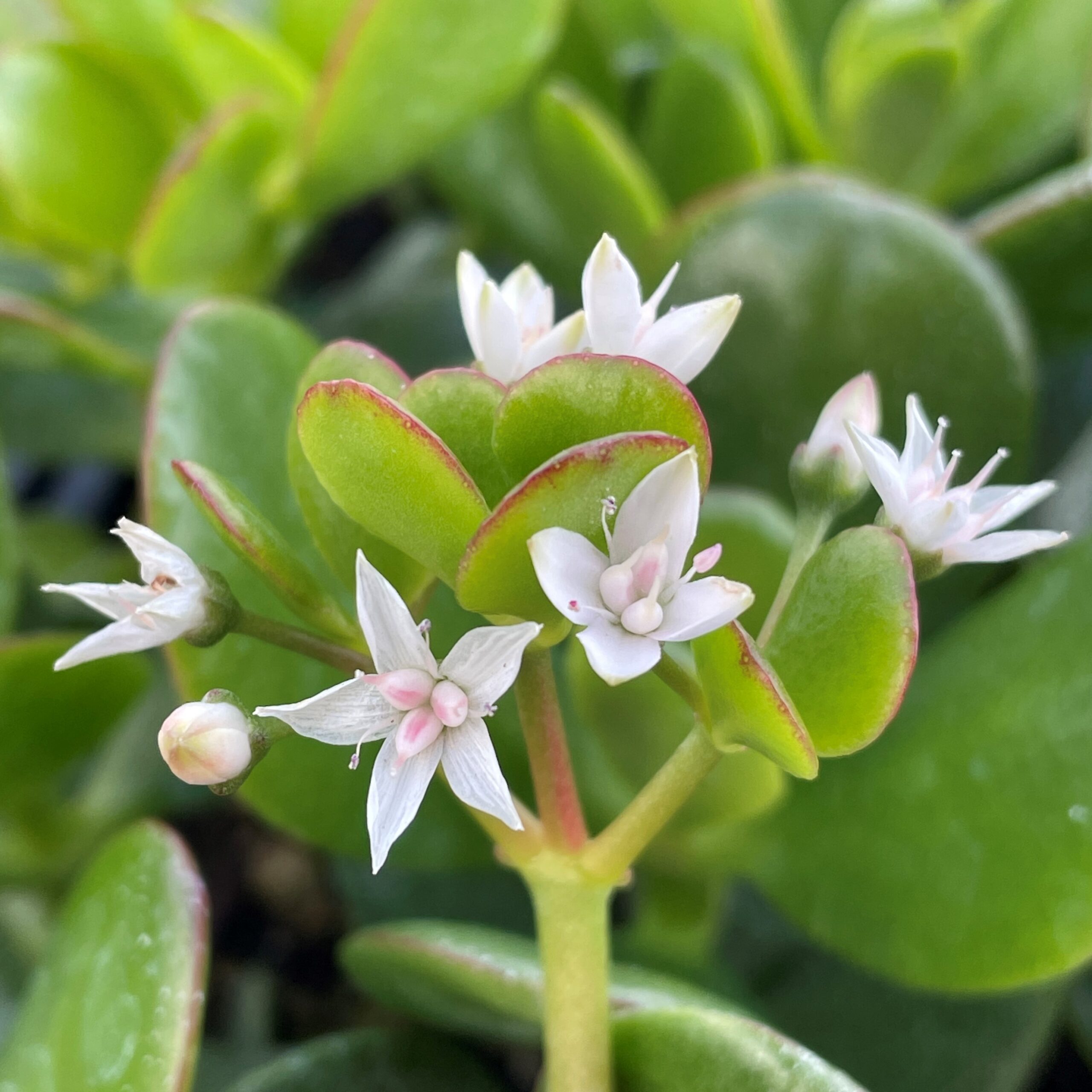
Beyond its aesthetic appeal, the Jade Plant offers a touch of the outdoors within your home. Its succulent nature makes it remarkably easy to care for, even for novice plant parents. Crassulas are slow-growing, requiring minimal watering, and can thrive in a variety of light conditions. This makes them ideal for busy individuals or those with limited green thumbs.
A Diverse Family:
The Crassula genus is incredibly diverse, boasting over 300 species. While the Jade Plant is undoubtedly the most popular, its cousins offer a fascinating array of shapes, sizes, and colors.
Crassula falcata: This species, also known as the Boat-shaped Crassula, features distinctive, boat-shaped leaves that overlap tightly, creating a unique rosette.
Cultivating Your Crassula:
Light: Jade Plants thrive in bright, indirect light. A south-facing window is ideal, but they can also tolerate some direct sunlight, especially during the cooler months.
Propagation:
Propagating a Jade Plant is a rewarding experience.
Leaf Cuttings: Simply detach a healthy leaf and allow the cut end to callous over for a few days. Then, place the leaf on top of well-draining soil and keep it moist. Roots will emerge from the base of the leaf, and eventually, a new plant will sprout.
Troubleshooting:
Dropping Leaves: This can be caused by overwatering, underwatering, or insufficient light.
Beyond the Basics:
Bonsai: The Jade Plant’s sturdy branches and slow growth make it an excellent candidate for bonsai training.
A Timeless Companion:
The Jade Plant is more than just a houseplant; it’s a living symbol of good fortune, a testament to patience and perseverance, and a source of enduring joy. Whether you’re a seasoned gardener or just starting your green thumb journey, the Jade Plant is a worthy addition to any home.
Note: This article is for informational purposes only and does not constitute professional horticultural advice.
I hope this article provides a cheerful and informative overview of the Crassula ovata, the classic Jade Plant!
Please provide me with the list so I can write the specific article.
Once you provide the list, I will write a creative and cheerful article with the following:
HTML h2 subheadings to structure the information.
I will ensure the article is informative and engaging for readers interested in learning about these fascinating succulent plants.
I’m excited to write this for you! ✨
Crassula Plant