
Sunlight is the lifeblood of your rubber plant, fueling the photosynthesis process that transforms light energy into the sugars it needs to grow. Just like humans, rubber plants have their own preferences when it comes to sunlight. Let’s delve into the nuances of providing the perfect amount of sunshine for your leafy friend.
The Rubber Plant’s Sun-Loving Nature:
Rubber plants, scientifically known as Ficus elastica, hail from the tropical rainforests of Southeast Asia. These lush environments offer filtered sunlight, dappled by the canopy of taller trees. This translates to your home setting, where bright, indirect light is ideal.
The Goldilocks Principle of Light:
Think of it as the Goldilocks principle: too much sun, and your plant will get scorched; too little, and it will become leggy and pale.
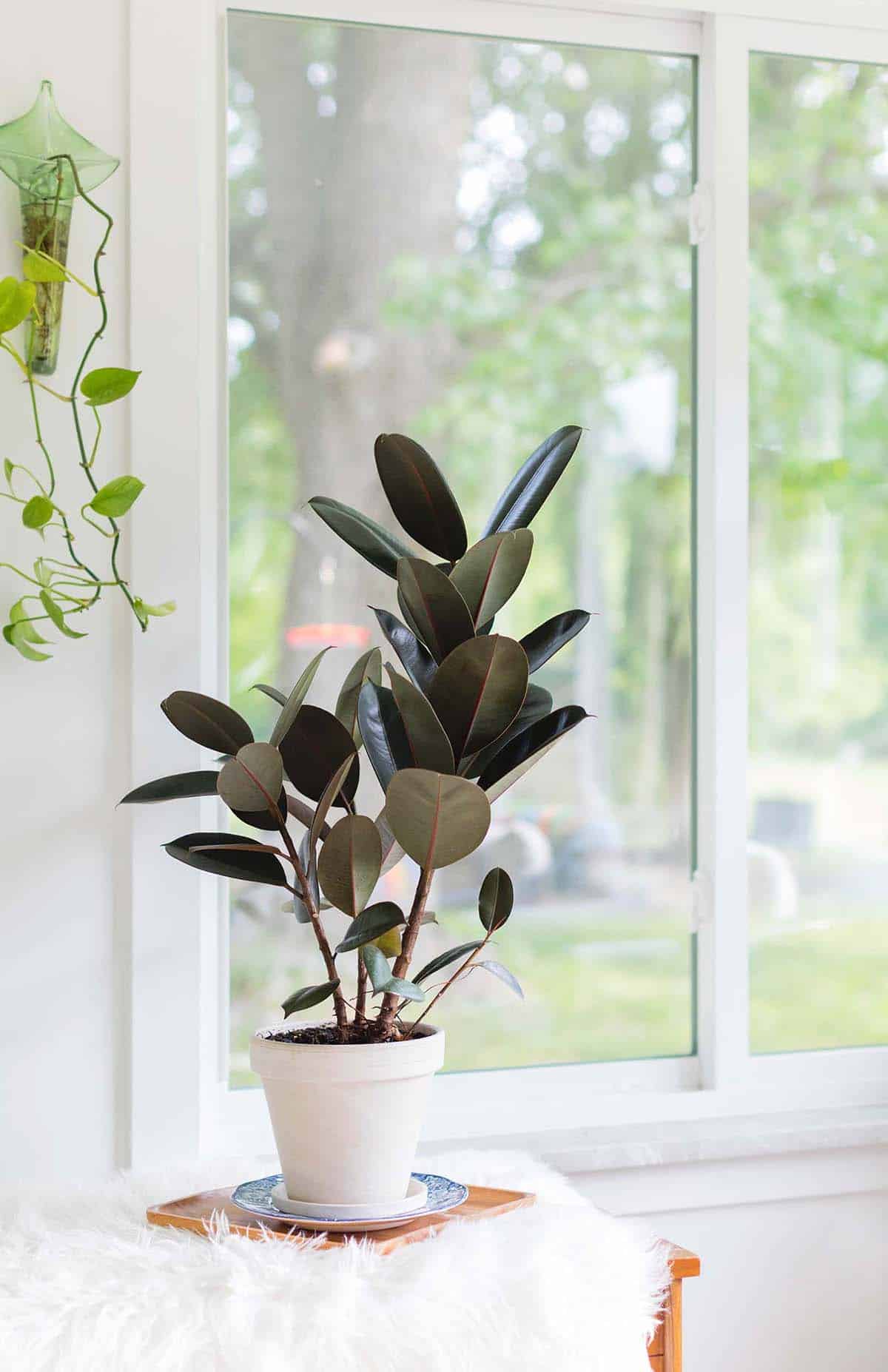
Too Much Sun: Direct, intense sunlight can quickly burn your rubber plant’s leaves. You’ll notice brown, crispy spots appearing, and the leaves may even start to wilt and drop.
Finding the Sweet Spot:
The ideal location for your rubber plant is near an east- or west-facing window. These windows provide bright, indirect light for most of the day, mimicking the dappled sunlight of its natural habitat.
East-facing windows: Offer gentle morning light, which is less intense than the afternoon sun.
If you only have south-facing windows, consider placing your rubber plant a few feet away from the window to prevent direct sunlight from reaching it. You can also use a sheer curtain to diffuse the light.
Signs Your Rubber Plant is Getting the Right Amount of Light:
Vibrant Leaf Color: Healthy rubber plants display a deep, glossy green color.
Adjusting for Seasonal Changes:
Sunlight intensity varies throughout the year. During the summer months, you may need to move your rubber plant slightly further away from the window to prevent sunburn. In the winter, when sunlight is less intense, you might need to move it closer to the window to ensure it receives adequate light.
Rotating Your Plant:
To encourage even growth and prevent the plant from leaning towards the light source, rotate your rubber plant regularly. Turn it a quarter turn every week or two to ensure all sides of the plant receive equal amounts of light.
Beyond Window Placement:
While window placement is crucial, artificial light can also be a valuable supplement, especially during winter months when natural light is limited. Grow lights specifically designed for indoor plants can provide the necessary light for healthy growth.
Caring for Your Rubber Plant: A Guide to Healthy Growth
Sunlight is just one piece of the puzzle when it comes to caring for your rubber plant. Providing the right amount of water, humidity, and nutrients is equally important.
Watering: Water your rubber plant thoroughly when the top inch of soil feels dry to the touch. Allow excess water to drain from the pot to prevent root rot.
By understanding and addressing your rubber plant’s specific light needs, you can create the perfect environment for it to flourish. With a little care and attention, your rubber plant will reward you with its lush, vibrant foliage for years to come.
Remember: Every plant is unique, so observe your rubber plant closely and adjust its care accordingly. By paying attention to its cues, you can ensure it thrives in your home.
Sunlight is the lifeblood of any plant, and your rubber plant is no exception. These tropical beauties thrive in bright, indirect light. Think of the dappled sunlight that filters through the canopy of a rainforest. This is the ideal lighting condition for your rubber plant to flourish.
Why is the right light so crucial?
Photosynthesis Powerhouse: Like all plants, rubber plants use sunlight to convert water and carbon dioxide into energy through photosynthesis. This process fuels their growth, producing lush, vibrant foliage.
Finding the Perfect Spot:
East-facing windows: These windows offer bright, morning sunlight, which is ideal for many plants.
Signs of Lighting Issues:
Pale, yellowing leaves: This often indicates insufficient light.
Tips for Optimizing Light:
Rotate your plant regularly: This ensures that all sides of the plant receive equal amounts of light and prevents uneven growth.
By providing your rubber plant with the right amount of light, you’re setting the stage for healthy, vigorous growth. Imagine your rubber plant thriving in a location where it can soak up the sunshine without getting scorched. Picture those lush, vibrant leaves glistening with health. With a little attention to its lighting needs, you can cultivate a truly magnificent rubber plant that will bring joy and beauty to your home for years to come.
3. Watering Your Rubber Plant: Finding the Right Balance
Watering your rubber plant correctly is a crucial aspect of its care. These plants prefer consistently moist but not soggy soil. Overwatering is a common mistake that can lead to serious problems, while underwatering can cause the plant to become stressed and drop leaves.
How to Water Your Rubber Plant:
Check the soil moisture: Before watering, insert your finger about an inch deep into the soil. If the soil feels dry, it’s time to water.
Signs of Overwatering:
Yellowing leaves: Overwatering can cause the leaves to turn yellow and eventually drop.
Signs of Underwatering:
Wilting leaves: If the plant is not receiving enough water, the leaves will start to wilt and droop.
Tips for Watering Wisely:
Use well-draining potting mix: A well-draining potting mix will help prevent waterlogging. You can amend a standard potting mix with perlite or coarse sand to improve drainage.
By carefully monitoring your rubber plant’s watering needs and adjusting your watering practices accordingly, you can ensure that it receives the right amount of moisture and thrives.
4. Providing the Right Humidity for Your Rubber Plant
Rubber plants are native to tropical rainforests, where humidity levels are typically high. While they can adapt to lower humidity levels in homes, providing them with a slightly more humid environment can help them thrive and maintain their vibrant foliage.
Why is Humidity Important?
Healthy Leaf Growth: High humidity helps to prevent leaf edges from browning and drying out.
Increasing Humidity Around Your Rubber Plant:
Group plants together: Grouping plants together creates a microclimate with higher humidity.
Signs of Low Humidity:
Brown, crispy leaf tips: This is a common sign of low humidity.
By taking steps to increase the humidity around your rubber plant, you can create a more favorable environment for healthy growth and prevent common humidity-related issues.
5. Fertilizing Your Rubber Plant for Optimal Growth
Fertilizing your rubber plant provides it with the essential nutrients it needs to grow strong and healthy. However, it’s important to fertilize appropriately, as over-fertilization can be harmful.
When to Fertilize:
During the growing season: Fertilize your rubber plant during the spring and summer months when it is actively growing.
Choosing the Right Fertilizer:
Use a balanced liquid fertilizer: A balanced liquid fertilizer with an NPK ratio of 10-10-10 or 20-20-20 is a good choice for rubber plants.
Fertilization Techniques:
Apply fertilizer to moist soil: Always apply fertilizer to moist soil. Avoid fertilizing dry soil as it can burn the roots.
Signs of Over-fertilization:
Burnt leaf tips: Over-fertilization can cause the leaf tips to brown and burn.
By fertilizing your rubber plant judiciously, you can provide it with the necessary nutrients to support healthy growth and development.
6. Repotting Your Rubber Plant: Providing Adequate Space for Growth
Repotting your rubber plant is essential to ensure it has enough room to grow and thrive. As your plant matures, its root system will expand, and it will eventually outgrow its current pot.
When to Repot:
Rubber Plant