
1. Light:
Ah, light. The lifeblood of our leafy friends. For your Ficus Elastica, also known as the Rubber Plant, a touch of drama is key. Imagine a Hollywood starlet – she thrives on attention, but not just any attention. Think bright, indirect light. Picture a stage bathed in the soft glow of a spotlight. That’s the kind of illumination your Ficus craves.
Now, don’t get me wrong, a bit of sunbathing is perfectly acceptable. But avoid the midday glare. Those harsh rays can scorch those lovely leaves, leaving them looking like they’ve spent too much time in a tanning booth. Think of it this way: you wouldn’t want to bake in the midday sun, would you?
A south-facing window is usually a good bet, but remember to provide some shade during the hottest part of the day. Sheer curtains can work wonders in filtering out those intense rays. Alternatively, an east- or west-facing window can also provide the perfect balance of light and shade.
If your Ficus starts to look a little pale and leggy, it’s probably not getting enough light. Those beautiful leaves will stretch and reach, yearning for those precious rays. Don’t worry, a little relocation to a brighter spot should do the trick.
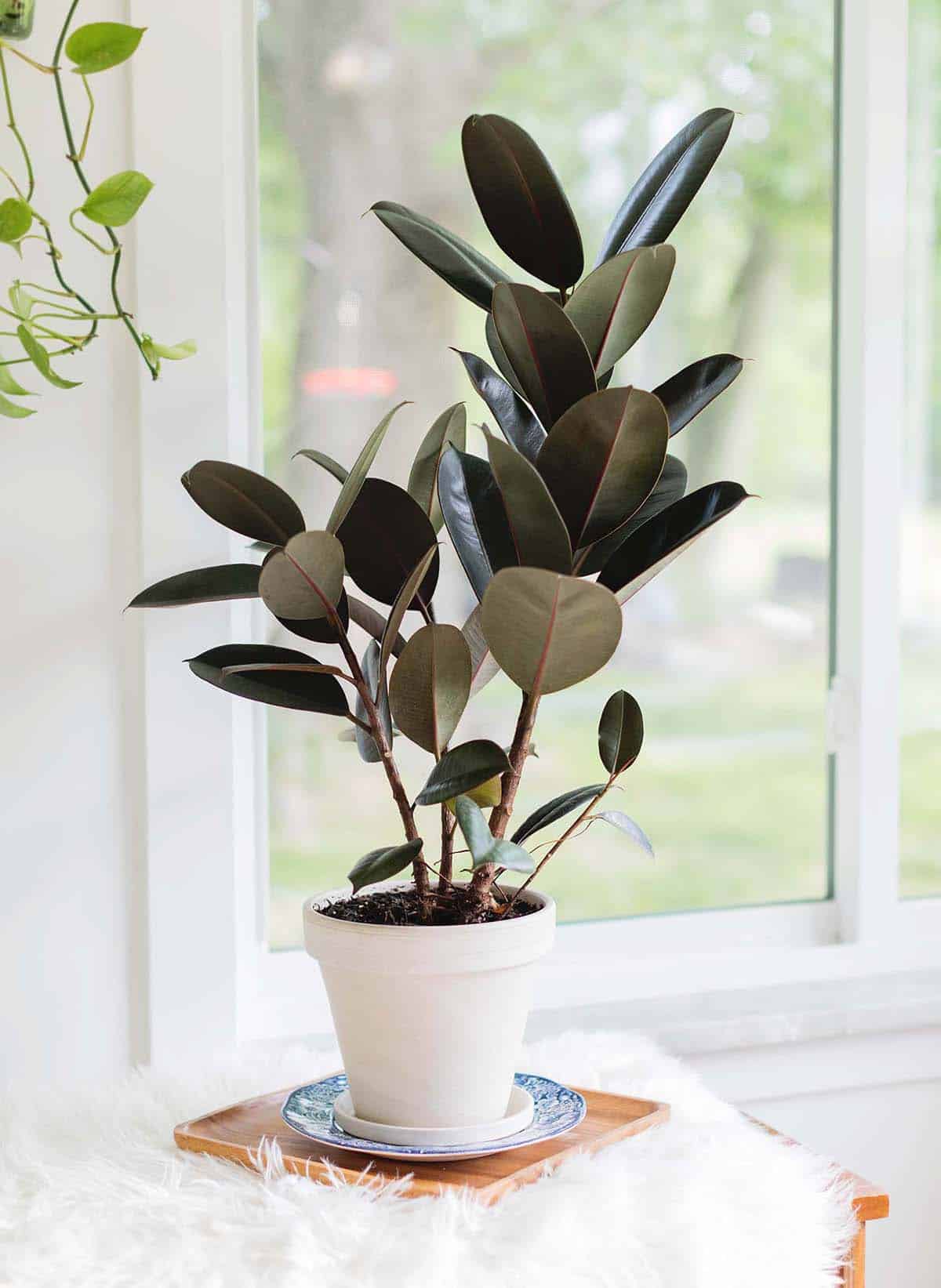
But what if your Ficus is looking a little too enthusiastic? Those vibrant leaves might start to appear a bit crispy or even develop brown spots. That’s a sign that it’s getting a bit too much sun. A quick move to a shadier location should help it recover.
Remember, your Ficus is a bit of a diva. It likes its light, but it likes it on its own terms. So, pay attention to its cues. Is it reaching for the light? Move it closer. Is it looking a bit scorched? Give it a break from the sun. With a little observation and a touch of TLC, you’ll have a thriving Ficus that will bring a touch of the tropics to your home.
Watering:
Watering your Ficus Elastica is a delicate dance. You want to keep the soil consistently moist, but not soggy. Imagine a sponge – you want it damp, but not dripping. Overwatering is one of the most common culprits of Ficus woes. Soggy soil can lead to root rot, a condition that can quickly turn fatal.
The best way to determine when to water is to check the soil moisture. Stick your finger about an inch deep into the soil. If it feels dry, it’s time to water. If it feels damp, wait a few days.
During the growing season (spring and summer), your Ficus will likely need more frequent watering. However, in the fall and winter, its growth slows down, and it will require less water.
When you do water, water deeply. Make sure the water drains freely from the bottom of the pot. Don’t let your Ficus sit in a saucer of water. This can lead to root rot.
Remember, every Ficus is different. The frequency of watering will depend on factors such as the size of the pot, the type of soil, and the ambient temperature and humidity.
Pay close attention to your Ficus and adjust your watering schedule accordingly. If the leaves start to droop, it’s a sign that your Ficus is thirsty. If the leaves start to yellow and drop, it’s a sign that you may be overwatering.
Temperature and Humidity:
Your Ficus Elastica hails from the tropical rainforests, so it prefers warm and humid conditions. Aim for temperatures between 65°F and 80°F (18°C and 27°C). Avoid drafts, as they can shock your Ficus and cause leaf drop.
Humidity is also important for your Ficus’s well-being. If the air is too dry, the leaf tips may start to brown. To increase humidity, you can:
Mist your Ficus regularly: Use a spray bottle filled with lukewarm water to mist the leaves gently.
Soil:
The right soil is crucial for your Ficus Elastica’s health. You want a well-draining potting mix that is rich in organic matter. A good quality potting mix for tropical plants will work well. You can also add some perlite or coarse sand to improve drainage.
Fertilizing:
During the growing season (spring and summer), your Ficus will appreciate a regular dose of fertilizer. Use a balanced liquid fertilizer diluted to half strength and apply it once or twice a month.
Avoid fertilizing during the fall and winter when your Ficus is dormant. Over-fertilizing can lead to salt buildup in the soil, which can damage the roots.
Pruning:
Pruning your Ficus Elastica can help to maintain its shape and encourage bushier growth. You can prune it at any time of year, but spring is often the best time.
To prune your Ficus, use clean and sharp pruning shears. Cut just above a node (the point where a leaf or branch grows from the stem). You can remove any crossing branches, leggy growth, or dead or damaged leaves.
Repotting:
Your Ficus Elastica will need to be repotted periodically as it grows. Choose a pot that is only slightly larger than the current one. A pot that is too large can lead to overwatering.
The best time to repot your Ficus is in the spring before new growth begins. Gently remove the plant from its current pot and loosen the roots. Place the plant in the new pot and fill in with fresh potting mix.
Pests and Diseases:
While generally hardy, your Ficus Elastica can occasionally be susceptible to pests and diseases.
Common pests include:
Mealybugs: These small, cottony insects can infest the leaves and stems.
Common diseases include:
Root rot: This fungal disease occurs when the soil is too wet.
If you notice any signs of pests or diseases, take action immediately. You can try treating your Ficus with insecticidal soap or neem oil. In severe cases, you may need to use a stronger pesticide.
Propagation:
Propagating your Ficus Elastica is a rewarding experience. You can propagate it from stem cuttings or air layering.
The Ficus elastica, affectionately known as the Rubber Plant, has experienced a remarkable resurgence in popularity. Once a staple of Victorian-era homes, this elegant plant is now gracing modern interiors with its lush, glossy foliage. Its captivating beauty, coupled with its relatively easy care, makes it an ideal choice for both seasoned and novice plant parents.
A Touch of History:
The Rubber Plant’s name hints at its historical significance. In the 19th century, latex was extracted from its sap, which was used to produce rubber. While this practice has largely ceased, the plant’s legacy lives on, inspiring a renewed appreciation for its unique charm.
Recognizing the Rubber Plant:
Identifying a Ficus elastica is a breeze. It boasts large, leathery leaves that often display a striking contrast between dark green and lighter green veins. Young leaves may emerge with a reddish tinge, adding another layer of visual interest. The plant can grow quite tall, making it a statement piece in any room.
Bringing Your Rubber Plant Home:
When selecting your Rubber Plant, look for a specimen with vibrant, healthy foliage. Avoid plants with yellowing leaves or signs of pests. Once you’ve found the perfect addition to your plant family, consider the following:
Lighting: The Rubber Plant thrives in bright, indirect light. A spot near an east- or west-facing window is ideal. While it can tolerate lower light conditions, growth may be slower, and the leaves may lose some of their vibrant color.
Cultivating a Thriving Rubber Plant:
Fertilizing: Feed your Rubber Plant during the growing season with a balanced liquid fertilizer diluted to half strength. Avoid fertilizing during the winter months when growth slows down.
Troubleshooting Common Issues:
Yellowing Leaves: This can be caused by overwatering, underwatering, or nutrient deficiencies. Adjust your watering schedule and consider fertilizing.
Adding a Personal Touch:
The beauty of the Rubber Plant lies in its versatility. Experiment with different pot sizes and styles to find the perfect match for your decor. Consider adding decorative elements like moss poles or trellises to guide its growth and create a unique display. You can even propagate your Rubber Plant from cuttings to share with friends or expand your own collection.
Beyond the Basics:
Variegated Varieties: Explore the diverse world of variegated Rubber Plants. Varieties like ‘Tineke’ and ‘Doescheri’ feature striking patterns of cream, white, or pink on their leaves.
Caring for a Rubber Plant is a rewarding experience. With a little love and attention, this elegant plant will thrive and bring years of enjoyment to your home. Embrace the “Rubber Plant Renaissance” and discover the timeless beauty of this iconic houseplant.
Ficus Elastica Plant