Alright, let’s get your long-form article about building a raised herb garden ready for WordPress! Here it is:
How to Create a Raised Herb Garden
Want fresh herbs right outside your door? Building a raised herb garden is a fantastic way to make that happen. It’s easier on your back than bending over in a traditional garden, gives you better control over the soil, and can look pretty neat too. Plus, herbs are generally low-maintenance and bring wonderful flavors and aromas to your kitchen. Let’s dive into how you can build your own raised herb paradise.
Why Choose a Raised Herb Garden?
Before we get into the nitty-gritty of building, let’s quickly touch on why a raised bed is a great choice for herbs. For starters, you can fill it with the perfect soil mix that herbs love, which might be different from your existing garden soil. Raised beds also tend to drain better, which is crucial for many herbs that don’t like soggy roots. They warm up faster in the spring, giving your herbs a head start, and they can help keep pesky weeds at bay. Plus, if your yard has poor soil or is mostly concrete, a raised bed lets you garden anywhere!

Planning Your Herb Garden
Like any good project, planning is key. Think about where you want to put your raised bed. Ideally, you’ll want a spot that gets at least six hours of sunlight a day, as most herbs thrive in full sun. Consider how close it is to your kitchen – the closer, the easier it is to snip fresh herbs when you need them. Also, think about the size you want. A 4×4 foot bed is a good starting point, but you can adjust based on your available space and how many herbs you want to grow.
Gathering Your Materials
Now for the fun part – getting your hands on the stuff you’ll need. Here’s a general list:
Wood for the Frame
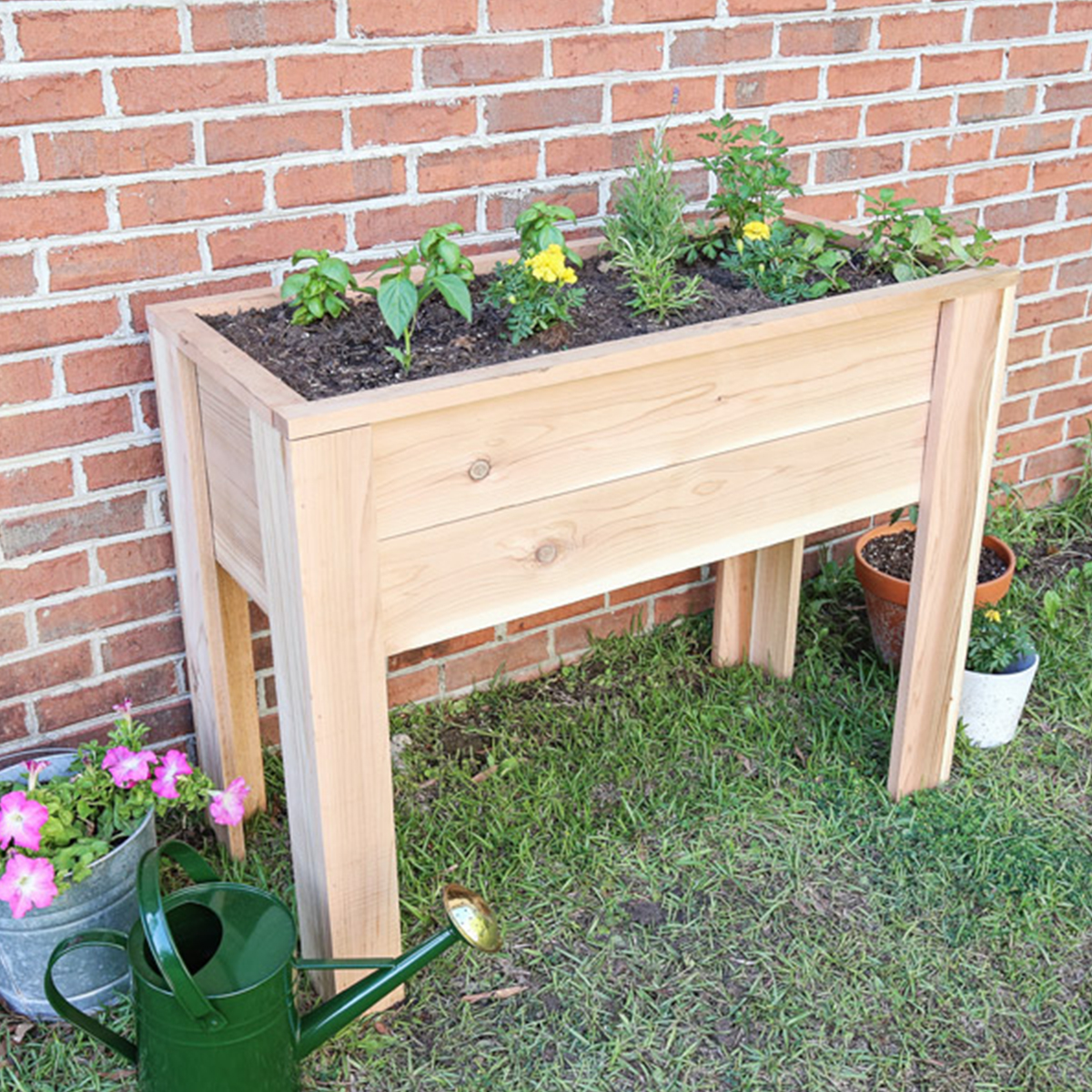
You’ll need wood to build the sides of your raised bed. Untreated cedar or redwood are excellent choices because they resist rot and won’t leach harmful chemicals into your soil. Pine is more affordable but will need to be sealed or lined to last longer. Decide on the height you want – 6 to 12 inches is usually sufficient for herbs.
Fasteners
You’ll need screws or nails to hold the wood together. If you’re using cedar or redwood, stainless steel screws are a good option to prevent rust.
Landscape Fabric (Optional)
This can be placed at the bottom of the bed to help suppress weeds coming up from the ground.
Soil
This is crucial for happy herbs! A good mix is usually equal parts topsoil, compost, and some sort of drainage material like perlite or coarse sand. Avoid using just garden soil, as it can become compacted in a raised bed.
Tools
You’ll likely need a saw (unless you get your wood pre-cut), a drill or hammer, a measuring tape, a level, and gloves. A wheelbarrow or large buckets will be helpful for moving soil.
Building Your Raised Bed
Alright, let’s put it all together! Here’s a basic step-by-step guide:
Cut the Wood
If you didn’t get your wood pre-cut, measure and cut the pieces to your desired dimensions. For a 4×4 foot bed, you’ll need four pieces that are 4 feet long and four pieces for the sides that are the width you’ve chosen (e.g., if you’re using 1×6 boards, they’ll be 4 feet long and four pieces that are 4 feet minus the thickness of two boards, so roughly 3 feet 10.5 inches if you’re butting the corners).
Assemble the Frame
Lay out the pieces and start assembling the corners. Use your screws or nails to attach the side pieces to the end pieces, forming a box. Make sure the corners are square – a carpenter’s square can be handy for this.
Level the Ground (Optional but Recommended)
While not strictly necessary, leveling the area where you’ll place the bed can make it look nicer and help with even drainage.
Place the Frame
Carefully move your assembled frame to its designated spot in your garden.
Line the Bed (Optional)
If you’re using landscape fabric, line the inside of the bed, overlapping the edges slightly. This helps prevent weeds from growing up through the soil. You can secure it with staples or by the weight of the soil.
Fill with Soil
Now for the satisfying part! Start filling your raised bed with your prepared soil mix. Add it in layers, and you can even incorporate some slow-release organic fertilizer at this stage to give your herbs a good start. Fill it up to a few inches from the top.
planting Your Herbs
Once your raised bed is filled, it’s time to plant your herbs! Consider the mature size of each herb when spacing them. You don’t want them to be overcrowded later on. Dig small holes and gently place your herb seedlings or starter plants into the soil. Water them thoroughly after planting.
Caring for Your Raised Herb Garden
Congratulations, you’ve built your raised herb garden! Now, here are a few tips to keep it thriving:
Watering
Water your herbs regularly, especially during dry spells. The soil in raised beds tends to dry out faster than in the ground. Check the soil moisture by sticking your finger about an inch deep – if it feels dry, it’s time to water.
Weeding
While raised beds help reduce weeds, some may still pop up. Pull them out as soon as you see them to prevent them from spreading.
Fertilizing
Herbs generally don’t need a lot of fertilizer, but a light feeding with an organic fertilizer a couple of times during the growing season can be beneficial.
Pruning
Regularly pruning your herbs encourages bushier growth and prevents them from going to seed too quickly, which can sometimes affect their flavor. Plus, you’ll have more fresh herbs to use!
Enjoying Your Harvest
The best part of having an herb garden is being able to snip fresh herbs whenever you need them. Use clean scissors or pruning shears to harvest.
Conclusion
Creating a raised herb garden is a rewarding project that brings beauty and flavor right to your fingertips. With a little planning and effort, you can build a thriving space for your favorite herbs and enjoy their fresh goodness for seasons to come. So get your hands dirty and start building your own little slice of herbal heaven!
Frequently Asked Questions (FAQs)
What are the best herbs to grow in a raised bed?
Many herbs thrive in raised beds! Some popular choices include basil, mint, rosemary, thyme, oregano, chives, parsley, cilantro, and sage. Consider which herbs you use most often in your cooking.
How deep should my raised herb garden be?
A depth of 6 to 12 inches is generally sufficient for most herbs. This provides enough space for their roots to grow and allows for good drainage.
Do I need to put rocks at the bottom of my raised bed for drainage?
No, this is a common misconception. Rocks at the bottom can actually impede drainage by creating a perched water table. A good soil mix with proper drainage components like perlite or sand is much more effective.
Can I move my raised herb garden after I build it?
Smaller raised beds might be movable, especially before they are filled with soil. However, larger, filled beds can be very heavy and difficult to move without potentially damaging them or your back. It’s best to choose a permanent location from the start.
How long will a wooden raised bed last?
The lifespan of a wooden raised bed depends on the type of wood and whether it’s treated or lined. Untreated cedar or redwood can last for 10-20 years or even longer. Pine will last longer if it’s sealed or if the bed is lined to protect the wood from direct contact with the soil.
How to create a raised herb garden