
Alright, let’s dig into how you can get a community garden sprouting in your neighborhood! It’s a fantastic way to connect with people, grow some yummy food, and make your local area a little greener.
Finding Your Patch of Green
First things first, you need a spot! Think about places in your community that might work. Maybe there’s an unused patch of land at a local park, a schoolyard, or even a vacant lot.
Scout Potential Locations: Keep your eyes peeled as you wander around your neighborhood. Look for sunny spots that aren’t being used for anything else.
Gathering Your Crew
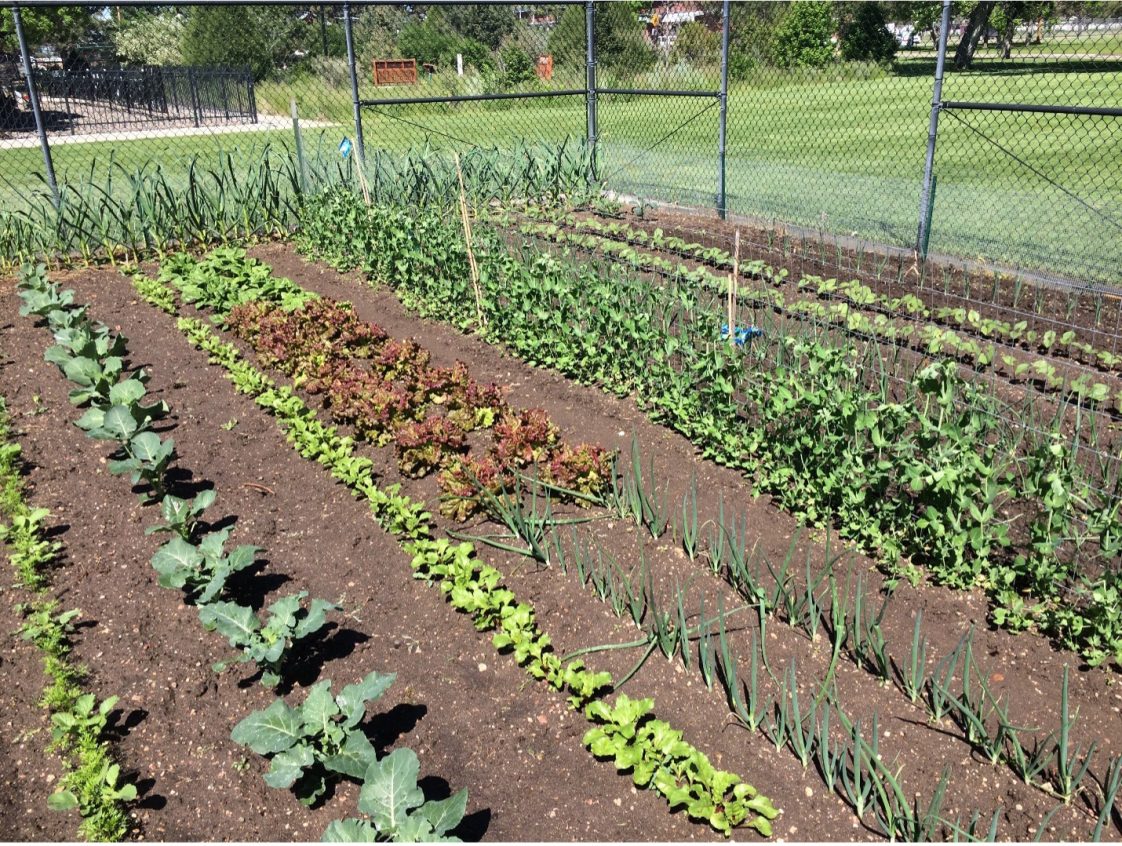
A community garden is all about community! You’ll need some enthusiastic folks to help you get things off the ground and keep them going.
Spread the Word: Let people know about your idea. Put up flyers at local coffee shops, community centers, and libraries. Use social media if your neighborhood has a group page. Talk to your neighbors and friends.
Laying the Groundwork
Once you have a location and a team, it’s time to get down to the nitty-gritty of setting up the garden.
Design Your Garden: Decide how the garden will be laid out. Will there be individual plots? Shared growing areas? Pathways? Think about accessibility for everyone who wants to participate.

Planting and Growing Together
With the groundwork laid, it’s time for the fun part – planting!
Decide What to Grow: Talk to your community members about what they’d like to grow. Consider the local climate and what grows well in your area.
Keeping the Garden Blooming
A community garden isn’t just a one-time project; it’s something that needs ongoing care and attention.
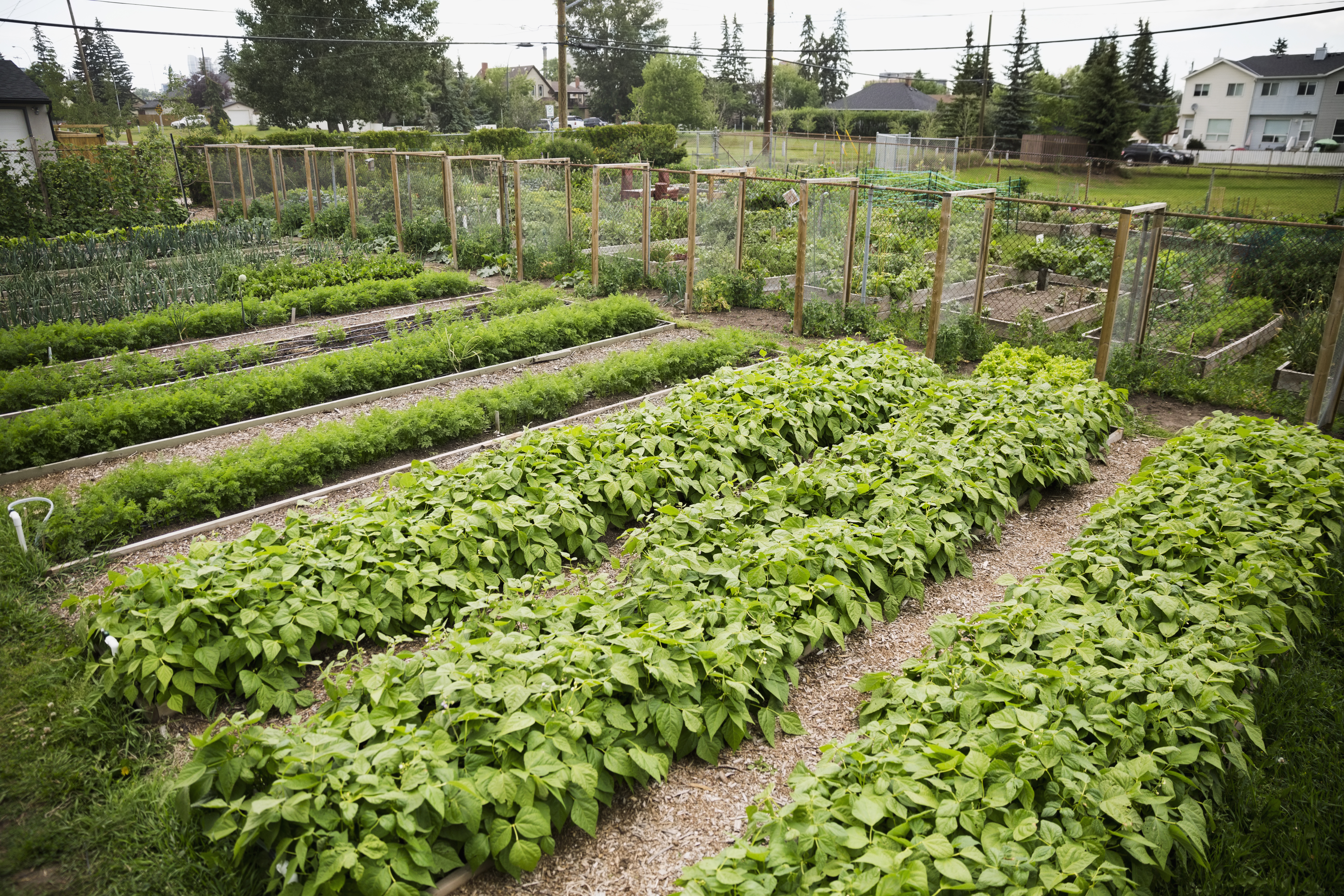
Establish Regular Communication: Keep everyone in the loop about what’s happening in the garden through regular meetings, email updates, or a simple bulletin board.
Starting a community garden takes time and effort, but the rewards are well worth it. You’ll not only be growing fresh food but also cultivating a stronger, more connected community. It’s about digging in together and watching something beautiful and beneficial grow.
Frequently Asked Questions
What if we don’t have any money to start?
Get creative! Reach out to local businesses for donations of tools, materials, or even small grants. Host simple fundraising events like bake sales or plant swaps. Many hands make light work, and people are often willing to contribute in different ways.
How do we decide who gets a plot?
There are a few ways to handle this. You could have a simple sign-up sheet on a first-come, first-served basis. Or, if demand is high, you might consider a lottery system or prioritizing people who live closest to the garden. The key is to be transparent and fair in your process.
What if people don’t take care of their plots?
This can be a tricky situation. Having clear guidelines from the start is helpful. You might have a friendly reminder system, and if things don’t improve, you might need to have a conversation about whether someone is able to continue with their plot to make space for someone on a waiting list.
What about pests and diseases?
Organic methods are often preferred in community gardens. Encourage members to share tips and strategies for dealing with common pests and diseases in your area. You could also organize workshops on natural pest control methods like companion planting or introducing beneficial insects.
How do we ensure the garden is accessible to everyone?
Think about physical accessibility when designing the garden. Raised beds can be easier for people with mobility issues. Ensure pathways are wide enough for wheelchairs or other mobility aids. Also, consider communication methods that work for everyone in your community.
How to start a community garden