
Alright, let’s get your long-form article about growing ginger in containers whipped up! Here’s a casual guide you can use for your WordPress site:
How to Grow Ginger in Containers: Your Easy Peasy Guide
So, you’re thinking about growing your own ginger, huh? Awesome idea! Fresh ginger is like a little burst of sunshine and spice, and guess what? You don’t need a sprawling garden to make it happen. Growing ginger in containers is totally doable, even if all you’ve got is a balcony or a sunny windowsill. This guide will walk you through the whole shebang, step by simple step.
Picking the Right Ginger Root
First things first, you need some ginger to start with. Head to your local grocery store or farmers market and look for a nice, plump ginger root (also called a rhizome). You want one that looks healthy, with smooth skin and maybe even some little “eyes” or buds starting to show. These are the spots where new shoots will sprout, so they’re a good sign of life.
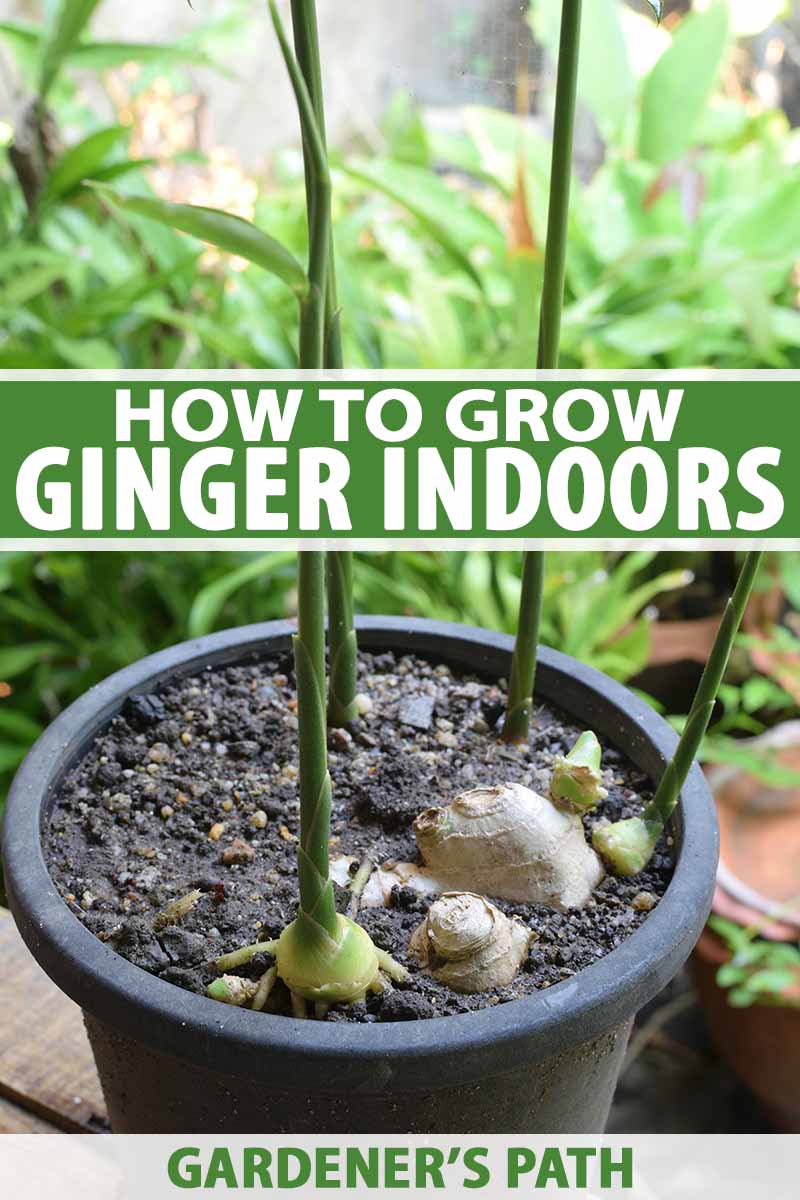
It’s best to choose organic ginger if you can find it. Non-organic ginger might have been treated with growth inhibitors, which, you know, isn’t what we’re going for here. Give your chosen ginger root a good once-over to make sure it’s not bruised or moldy.
Getting Your Ginger Ready to Sprout
Sometimes, your ginger root might be a little sleepy and need a nudge to get growing. You can wake it up by placing it in a shallow dish of lukewarm water for a few hours or even overnight. This gives it a good drink and encourages those little buds to get going.
Another trick some folks use is to pre-sprout the ginger. To do this, just place the ginger root in a plastic bag or container with some slightly damp potting mix or paper towels. Keep it in a warm spot out of direct sunlight. Check on it every few days, and you should start to see those little green shoots popping up in a week or two. This step isn’t strictly necessary, but it can give you a head start.
Choosing the Right Container
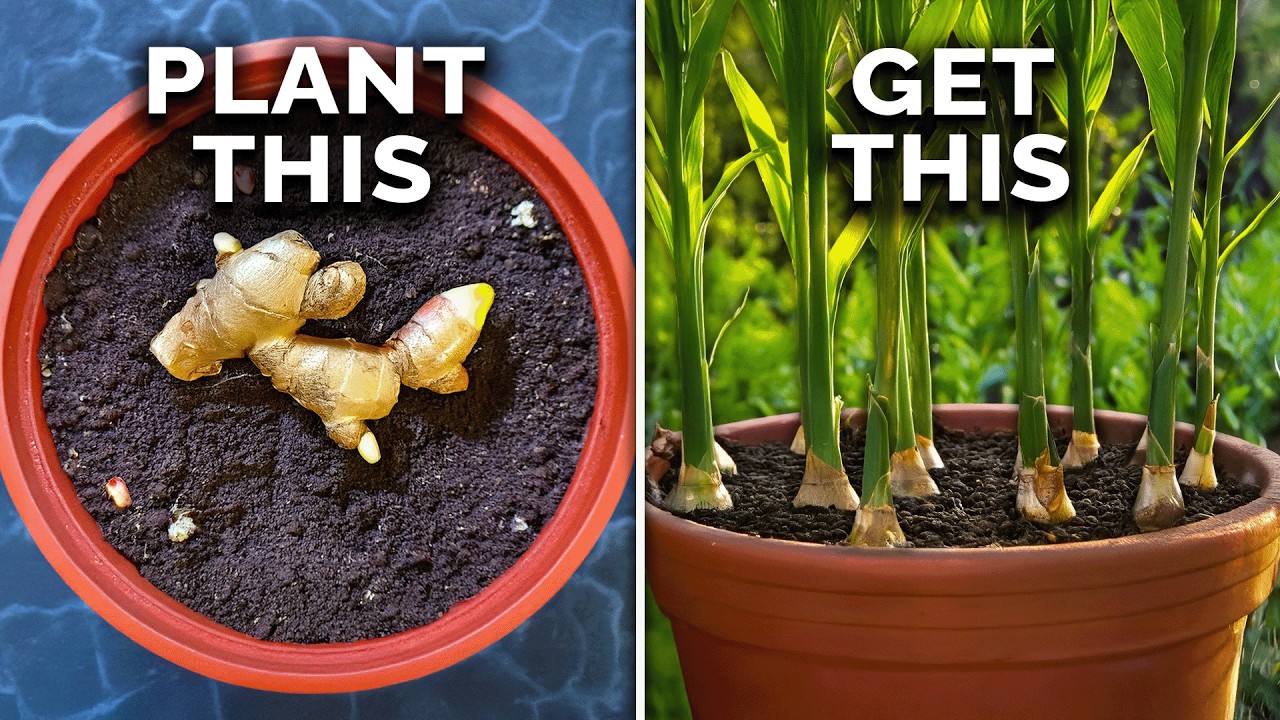
Now, let’s talk about where your ginger is going to live. Since ginger roots grow horizontally, you’ll want a container that’s wider rather than super deep. A pot that’s at least 12 inches in diameter and 12 inches deep should do the trick for a decent-sized plant. Make sure your container has drainage holes at the bottom. Ginger doesn’t like sitting in soggy soil, as that can lead to rot.
You can use pretty much any type of container – plastic, terracotta, ceramic – as long as it’s big enough and has drainage. If you’re in a really hot climate, a lighter-colored pot might help keep the soil from getting too hot.
Soil Matters: Getting the Mix Right
Ginger likes soil that’s rich, loose, and drains well. A good quality potting mix from your local garden center will work perfectly. You can also make your own mix by combining things like compost, peat moss or coco coir, and perlite or vermiculite. This combo helps with drainage while still holding onto enough moisture.
Avoid using heavy garden soil straight from the ground, as it can compact and make it hard for the ginger roots to grow. Think of the soil as your ginger’s comfy bed – you want it to be just right!
Planting Your Ginger
Alright, time to get your hands dirty! If you pre-sprouted your ginger, you’ll see those little shoots. If not, no worries, it’ll still grow. Cut your ginger root into pieces, making sure each piece has at least one or two of those little “eyes” or buds. Let the cut pieces air dry for a few hours to help them heal and prevent rot.
Fill your container with your chosen potting mix, leaving a couple of inches of space at the top. Place your ginger pieces about an inch or two below the surface of the soil, with the buds pointing upwards. If you have multiple pieces, give them a few inches of space between them so they have room to spread out.
Once your ginger is nestled in, gently water the soil until it’s evenly moist but not soaking wet.
Finding the Perfect Spot: Light and Temperature
Ginger loves warmth and indirect sunlight. Think of the kind of light you’d find under a leafy canopy in a forest – bright but not harsh, direct sun. A spot that gets morning sun and afternoon shade is ideal. If you’re growing indoors, a spot near an east-facing window or a bright north-facing window should work well.
Keep in mind that ginger is a tropical plant, so it likes it warm. Aim for temperatures between 68°F and 86°F (20°C and 30°C). If the temperature drops too low, the ginger’s growth will slow down or even stop. Protect your containers from frost.
Watering Wisdom: Not Too Much, Not Too Little
Watering is key to happy ginger. You want to keep the soil consistently moist, but never waterlogged. Stick your finger about an inch into the soil – if it feels dry, it’s time to water. Water thoroughly until you see water draining out the bottom of the pot.
During the active growing season (spring and summer), you’ll probably need to water more often than in the fall and winter when the plant’s growth slows down. Pay attention to the weather and adjust your watering accordingly.
Feeding Your Ginger: Giving It a Boost
To help your ginger thrive, you can give it a little extra food during the growing season. A balanced liquid fertilizer diluted to half strength, applied every few weeks, will do the trick. You can also use organic options like compost tea.
Hold off on fertilizing during the fall and winter when the plant is resting.
Patience is a Virtue: When to Expect Growth
Don’t expect a jungle to sprout overnight! Ginger can take a little while to get going. You might see shoots emerging from the soil in a few weeks, but it could take longer depending on the conditions. Just be patient and keep watering it properly.
As the plant grows, it will send up leafy stalks. These can get a couple of feet tall. Enjoy the lush greenery – it’s a sign that things are happening underground!
Harvesting Your Homegrown Ginger
Now for the exciting part – harvesting! You can start harvesting small pieces of ginger about 3-4 months after planting. Gently dig around the edges of the pot and snip off a piece of the rhizome. Be careful not to disturb the rest of the plant too much if you want it to keep growing.
For a more substantial harvest, wait about 8-10 months. By this time, the plant will likely start to turn yellow and the stalks might begin to dry out. This is a sign that the ginger is mature. You can then carefully dig up the entire plant and harvest all the rhizomes.
After harvesting, you can replant some of the healthy rhizomes to start a new batch!
Pests and Problems: Keeping Things Healthy
Generally, ginger grown in containers is pretty low-maintenance when it comes to pests and diseases. However, keep an eye out for common container garden pests like aphids or spider mites. If you spot any, you can usually wash them off with a strong stream of water or use an insecticidal soap.
Overwatering is the biggest culprit for problems like root rot. Make sure your container has good drainage and you’re not letting the soil stay soggy.
Conclusion: Fresh Ginger at Your Fingertips
Growing ginger in containers is a rewarding experience. It’s easier than you might think, and there’s nothing quite like the taste of fresh, homegrown ginger. With a little care and patience, you can enjoy this flavorful spice right from your own home, no matter how small your growing space. So go ahead, give it a try – you might just surprise yourself with a bountiful harvest!
Frequently Asked Questions (FAQs)
Can I grow ginger indoors year-round?
Yes, you can! Just make sure it gets enough indirect light and stays warm. You might notice the growth slows down a bit in the darker winter months, but it should pick back up in the spring.
How much ginger will one plant produce?
The amount of ginger you get will depend on the size of your container and how long you let it grow. You can expect to harvest a decent amount from a single plant in a good-sized pot, enough to keep your kitchen stocked for a while!
Do I need special tools to grow ginger?
Not really. You’ll need a container, good potting mix, and a healthy ginger root to start. A small trowel or shovel will be helpful for planting and harvesting.
Can I grow ginger from a piece I bought at the store?
Absolutely! That’s exactly how you start. Just make sure it looks healthy and hasn’t been treated with growth inhibitors (organic is usually a safe bet).
What if my ginger plant doesn’t sprout?
Be patient! It can sometimes take a few weeks for sprouts to appear. Make sure the soil is consistently moist and the temperature is warm enough. If it’s been a while and still nothing, the ginger root might not have been viable. You can try starting with a fresh piece.
How to grow ginger in containers