
Santolina Rosmarinifolia: A Comprehensive Guide
Santolina rosmarinifolia, commonly known as holy flax, lavender cotton, or rosemary santolina, is a captivating evergreen shrub prized for its aromatic foliage and ornamental appeal. Native to the Mediterranean region, this resilient plant has found its place in gardens worldwide, adding a touch of silver and a fragrant charm to diverse landscapes. This comprehensive guide delves into the fascinating world of Santolina rosmarinifolia, exploring its characteristics, cultivation, uses, and more.
Botanical Characteristics
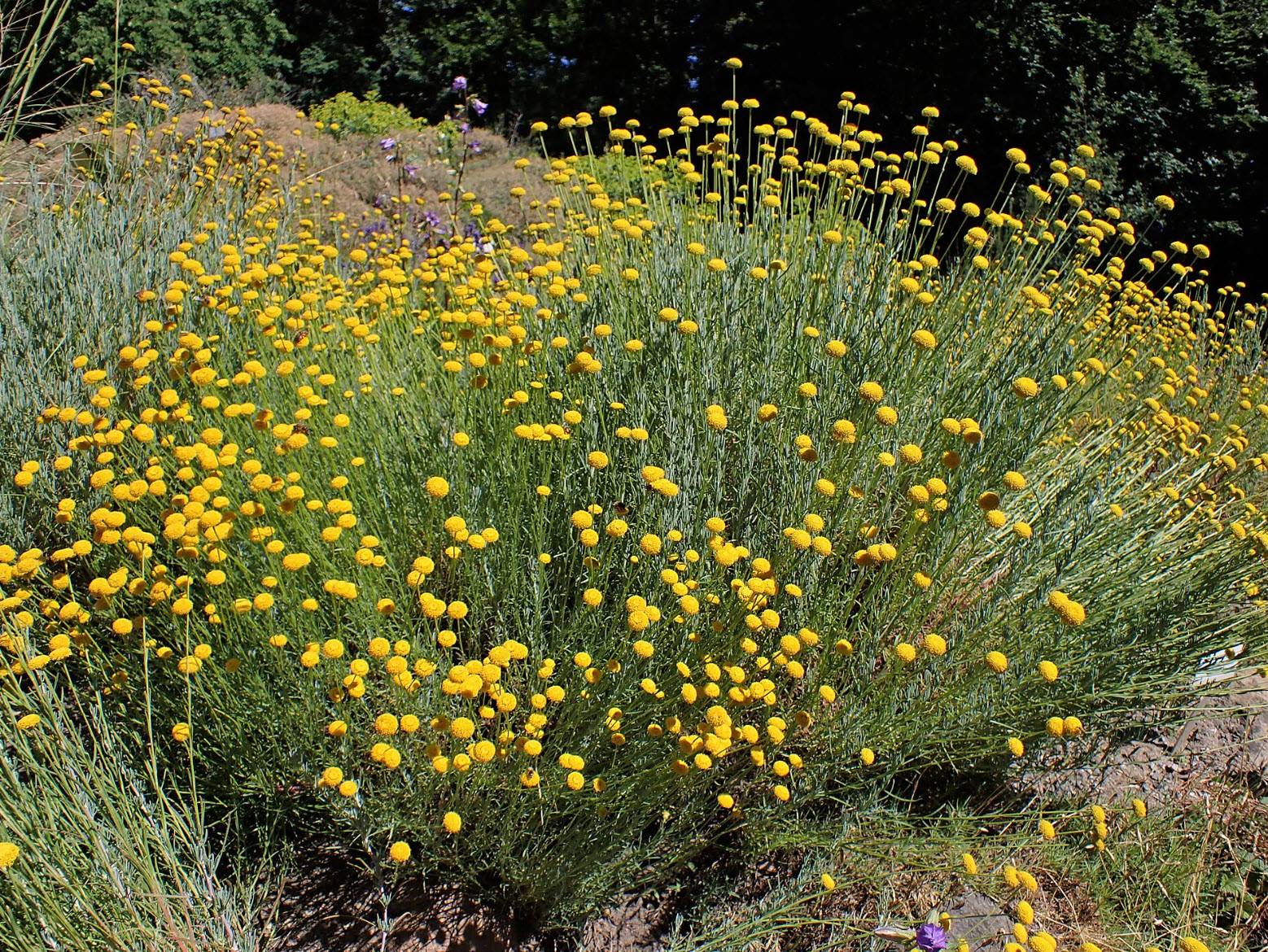
Santolina rosmarinifolia belongs to the Asteraceae family, which encompasses a vast array of flowering plants. It is characterized by its compact, bushy growth habit, typically reaching heights of 1 to 2 feet and spreading similarly. The plant’s most distinctive feature lies in its slender, deeply divided leaves, which bear a striking resemblance to rosemary needles, hence its common name. These leaves are covered in fine, silvery-gray hairs, giving the plant a soft, almost velvety texture and a luminous appearance in the sunlight.
In late spring and early summer, Santolina rosmarinifolia produces clusters of bright yellow, button-like flowers atop long, slender stalks. While the flowers add a splash of color, it is the foliage that remains the plant’s primary attraction throughout the year. The entire plant, especially the leaves, emits a distinctive, slightly pungent aroma, often described as a blend of rosemary and camphor.

Cultivation and Care
Santolina rosmarinifolia is a relatively low-maintenance plant, making it a popular choice for gardeners of all levels. It thrives in full sun, requiring at least 6 hours of direct sunlight per day to maintain its compact form and vibrant foliage. Well-drained soil is crucial, as the plant is susceptible to root rot in overly moist conditions. Sandy or gravelly soils are ideal, mimicking its native Mediterranean habitat.
Uses and Applications
Santolina rosmarinifolia is a versatile plant with a wide range of applications, primarily in ornamental gardening and landscaping. Its silver foliage provides a striking contrast to green-leaved plants, making it an excellent choice for borders, rock gardens, and herb gardens. It can also be used as a low hedge or groundcover, adding texture and visual interest to the landscape.
Borders and Edging: Its compact growth habit and attractive foliage make it ideal for defining garden beds and pathways.
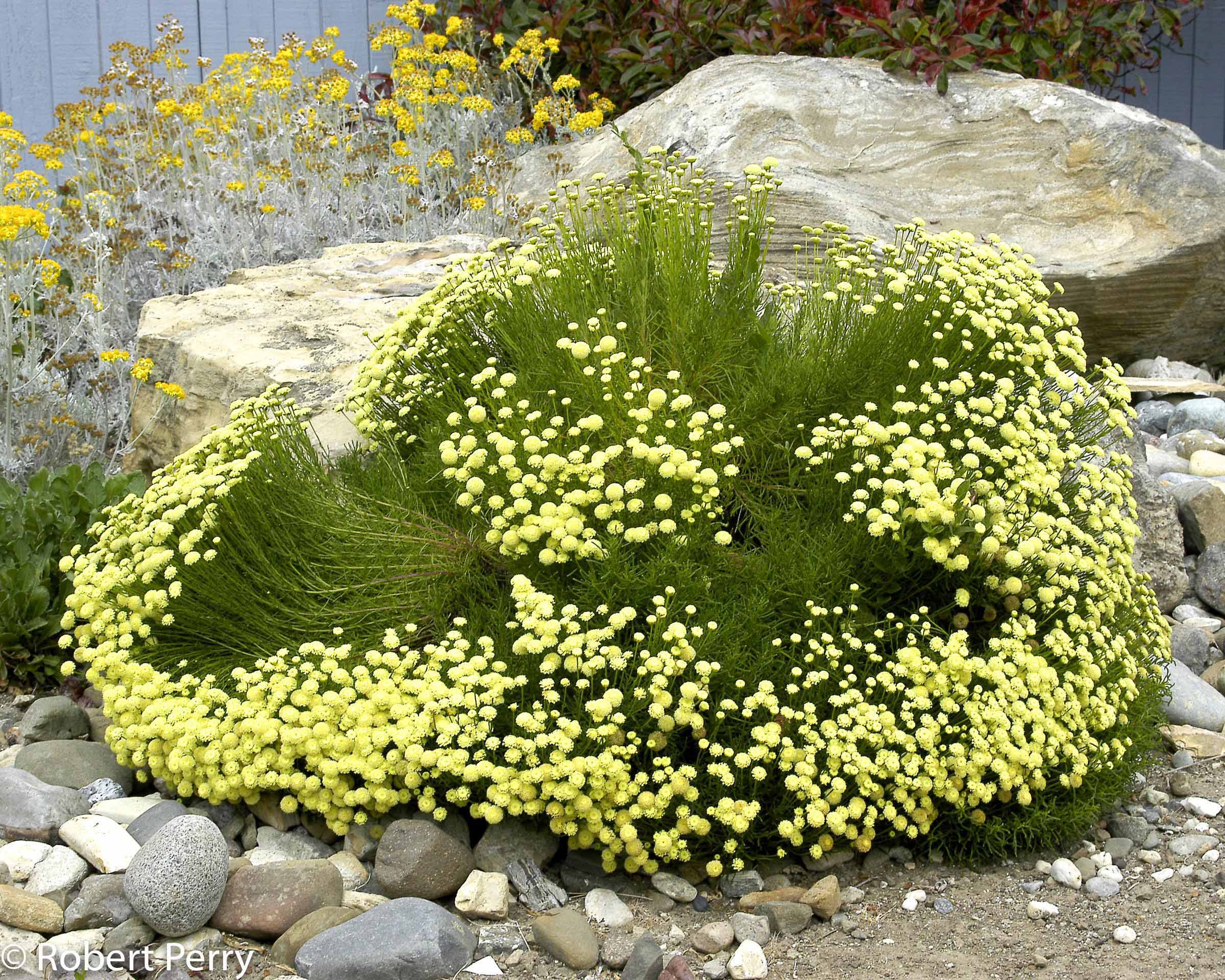
Beyond its ornamental value, Santolina rosmarinifolia has also been used traditionally for its aromatic and insect-repelling properties. The dried foliage can be used in potpourri and sachets to add fragrance and deter moths.
Varieties and Cultivars
While the species Santolina rosmarinifolia is widely cultivated, several cultivars offer variations in foliage color and growth habit:
’Nana’: A dwarf cultivar that stays compact, typically reaching only 6-12 inches in height.
Potential Problems
Santolina rosmarinifolia is generally a hardy and pest-resistant plant. However, some potential problems to be aware of include:
Root Rot: Overwatering and poorly drained soil can lead to root rot. Ensure the plant is in well-draining soil and avoid excessive watering.
Conclusion
Santolina rosmarinifolia is a delightful and practical addition to any garden. Its striking silver foliage, aromatic scent, and low-maintenance nature make it a popular choice for gardeners seeking year-round visual interest and resilience. Whether used as a border, in a rock garden, or in a container, this versatile shrub brings a touch of Mediterranean charm and enduring beauty to the landscape. Its ability to thrive in challenging conditions and its resistance to pests and diseases further solidify its place as a valuable and rewarding plant to cultivate.
santolina rosmarinifolia